
Trees
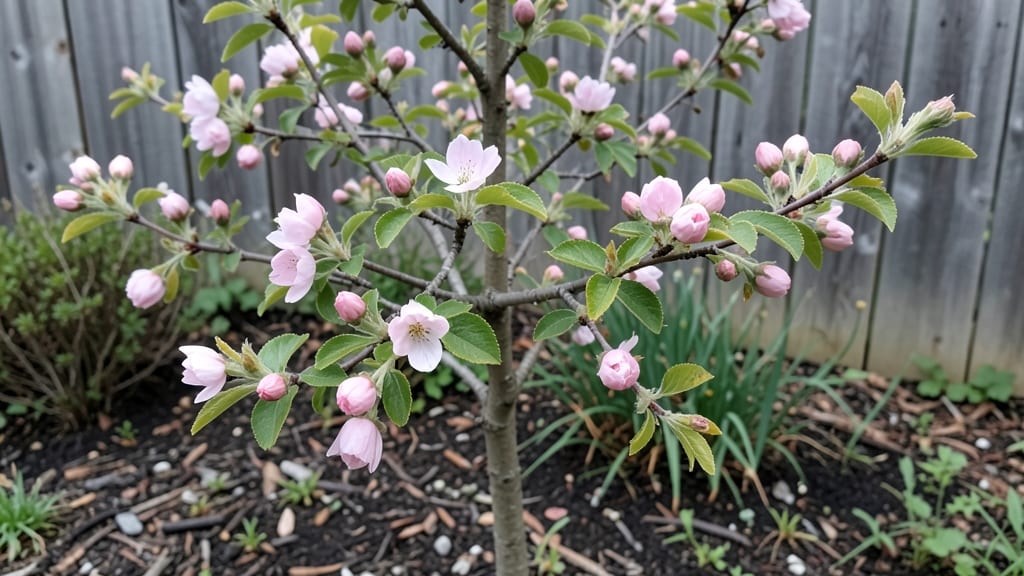
Growing a pink flowering crabapple 🌸 means adding a splash of color to your yard that lasts from spring through fall.
Imagine waking up to clouds of delicate pink blooms that hummingbirds and bees can't resist, followed by glossy green leaves that turn fiery red in autumn. This isn't just a pretty tree—it's a four-season workhorse that thrives with minimal fuss, making it perfect for both beginner gardeners and seasoned pros.
But here's the catch: planting one in the wrong spot or skipping a few key care steps can leave you with a tree that struggles to reach its full potential. The good news? With the right variety, soil, and a little seasonal attention, you'll get vibrant blooms year after year.
In this guide, I'll walk you through selecting the best pink crabapple for your climate, planting it for maximum impact, and keeping it healthy so it becomes the star of your landscape—no green thumb required.
Top 5 pink flowering crabapple varieties for different garden needs
Pink flowering crabapples are the star performers of ornamental trees, offering seasonal interest from spring blooms to vibrant fall foliage. Whether you need a compact tree for small yards or a tall specimen for statement-making landscapes, there's a perfect variety.
These disease-resistant cultivars thrive in USDA zones 4-8 and attract pollinators like bees and butterflies.
Choosing the right variety depends on your space constraints, climate conditions, and design goals. Some varieties excel in urban environments with their compact growth, while others provide winter structure with their striking branches.
Let's explore the top 5 pink flowering crabapples that will transform your garden into a year-round masterpiece.
Here's a detailed comparison of the best pink crabapple varieties, including their mature size, bloom time, hardiness zones, and unique features like fall color and disease resistance. This guide will help you select the perfect tree for your specific needs.
'Royal Raindrops' is my top recommendation for gardeners seeking a classic pink crabapple with prolonged bloom time. This variety produces double pink flowers that last for weeks, creating a romantic atmosphere in any garden.
Its orange-red fall foliage adds another layer of seasonal interest, making it a year-round favorite.
The 'Pink Spire' cultivar stands out with its upright growth habit, making it ideal for narrow spaces or as a tall hedge.
How to plant and care for pink flowering crabapple trees for maximum blooms
Planting a pink flowering crabapple tree is one of the best ways to add year-round interest to your landscape. These trees thrive with proper care, offering vibrant pink blooms in spring, glossy foliage, and even small edible fruit.
To ensure your tree grows strong and flowers abundantly, follow these essential steps for planting and ongoing maintenance.
First, choose a sunny location with at least 6 hours of direct sunlight daily. Pink flowering crabapples love full sun, which encourages prolific blooming and healthy growth.
Avoid low-lying areas where water pools, as these trees dislike soggy roots. A slightly elevated spot with well-draining soil will set your tree up for success.
⚠️ callout warning
Pink flowering crabapples are prone to fire blight, a bacterial disease causing blackened, wilted branches. Remove infected branches immediately with sterilized pruners and dispose of them in the trash (not compost). Prune 6 inches below the infected area to prevent spread. Copper fungicides can also help prevent outbreaks during wet springs.
Before planting, amend the soil with compost or organic matter to improve drainage and fertility. These trees prefer slightly acidic to neutral soil (pH 6.0-7.0). Dig a hole twice as wide as the root ball but no deeper.
Gently place the tree in the hole, ensuring the graft union (if present) is 2-3 inches above soil level to prevent rot.
Water your newly planted crabapple deeply right after planting, then again every 7-10 days during the first growing season. Deep watering encourages strong root development. Once established, these trees are drought-tolerant but will reward you with more blooms if given regular water during dry spells.
Always water in the morning to reduce fungal risks.
Pruning is key to maintaining your tree's shape and health. Remove dead, diseased, or crossing branches in late winter or early spring before new growth begins. Thin out crowded branches to improve airflow, which reduces powdery mildew risks.
For maximum blooms, avoid heavy pruning in fall, as this can stimulate tender growth vulnerable to frost damage.
Feed your tree with a balanced fertilizer (10-10-10) in early spring and again in mid-summer. Apply fertilizer to the root zone, keeping it 6 inches away from the trunk.
Avoid fertilizing in late summer or fall, as this can encourage weak growth before winter. Mulch around the base with organic mulch to retain moisture and regulate soil temperature.
Monitor your tree for common pests like aphids or scale insects, which can stress the plant. A strong spray of water often dislodges aphids, while horticultural oil treats scale. For powdery mildew, apply a fungicide in early spring and repeat every 2-3 weeks if needed.
With proper care, your pink flowering crabapple will reward you with stunning blooms for decades!