
Flowers
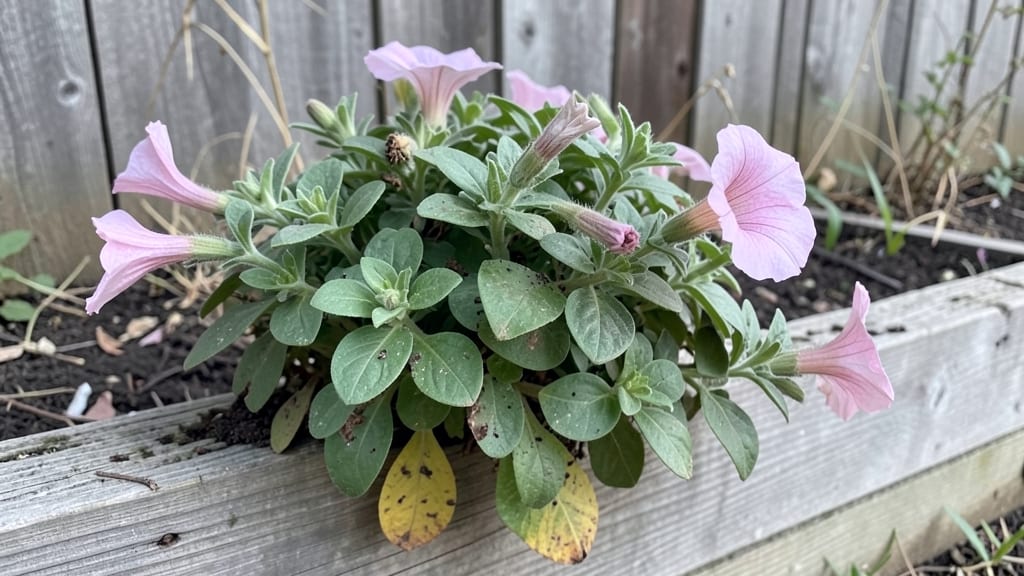
A pink petunia flower can turn your garden into a dreamy, nonstop bloom show—but only if you prune it right.
Picture this: your 🌸 petunias are thriving in USDA Zone 6a, bursting with color from June to September, while your neighbor’s plants look tired by July. The difference? Pruning.
Without it, those vibrant blooms fade fast, replaced by leggy stems and sparse flowers. But with the right techniques, you’ll keep your petunias flowering nonstop—even in the heat.
Most gardeners skip pruning because they’re afraid of cutting too much—or they don’t know when to start. The truth? It’s easier than you think, and the payoff is months of eye-catching blooms.
Below, I’ll walk you through the exact steps to prune your petunias for maximum impact, from the first pinch in spring to the final trim before frost.
Ready to transform your garden? Let’s dive into the secrets that’ll keep your pink petunias looking fresh all season long.
When and how to prune pink petunias for maximum blooms
Pruning your pink petunia flowers isn’t just about keeping them tidy—it’s the secret to nonstop blooms all season. When done right, pruning encourages bushier growth and triggers new flower buds, turning your petunias into a continuous summer spectacle.
The key? Timing and technique. Skip this step, and you’ll miss out on weeks of vibrant color.
Most gardeners make one of two mistakes: either they prune too late, missing the optimal growth window, or they use the wrong method, which can stress the plant. Pink petunias respond best to light pinching early in the season and regular deadheading throughout summer.
Let’s break down the exact steps to keep your petunias flowering like crazy from spring to frost.
Step-by-Step Pruning Guide for Pink Petunias
-
Step 1: Early Spring Pinching (April-May)
Once your pink petunia seedlings reach 4-6 inches tall, pinch off the top set of leaves just above a leaf node. This forces the plant to branch out, creating a fuller, bushier structure.
-
Step 2: Deadhead Spent Blooms (May-September)
Remove wilted flowers by snipping the stem just above the next set of leaves. This redirects energy to new blooms instead of seed production. Do this weekly for maximum results.
-
Step 3: Light Shearing for Shape (June-August)
If your petunias look leggy or uneven, give them a gentle haircut with clean pruners. Trim 1/3 of the plant’s height, focusing on overgrown stems. Avoid cutting into woody stems, as this can harm the plant.
-
Step 4: Late Season Pruning (September-October)
As temperatures drop, reduce pruning to minimal deadheading. Stop heavy pruning 6 weeks before frost to allow the plant to harden off for winter. In mild climates, a light trim can encourage fall blooms.
-
Step 5: Post-Pruning Care
After pruning, water deeply and apply a balanced fertilizer (10-10-10) to support new growth. Avoid fertilizing late in the day to prevent burn on fresh cuts.
Timing your pruning to match the growth cycle of pink petunias is crucial. In hot climates, like USDA Zone 9-10, prune more aggressively in spring and early summer to handle the intense heat.
In cooler zones (6-8), focus on late spring and summer pruning to extend the blooming season.
One common myth is that pruning stunts growth—the opposite is true! When you prune at the right time, you’re actually encouraging denser foliage and more flowers. Think of it like giving your petunias a haircut that makes them look even better.
Just avoid over-pruning, which can leave the plant stressed and vulnerable to pests.
For container-grown petunias, pruning is even more important because root space is limited. Regular pinching keeps the plant compact and manageable, preventing it from becoming top-heavy.
Use a small pair of scissors for precision trimming, and always sterilize your tools with rubbing alcohol to prevent disease spread.
If your petunias are bushy but not flowering, it’s often a sign of over-fertilizing with nitrogen. Switch to a low-nitrogen, high-phosphorus fertilizer (like 5-10-5) to boost blooms. Pair this with consistent pruning, and you’ll see a surge in new flowers within weeks.
Pro tip: Prune in the early morning when the plant is hydrated and the sun isn’t intense. This reduces stress on the plant and gives it time to recover before the heat of the day.
Avoid pruning late in the afternoon, as the cuts may take longer to heal.
With these techniques, your pink petunias will reward you with nonstop color from spring to frost. The key is consistency—stick to the schedule, and your garden will be the talk of the neighborhood. Happy pruning! 🌸✂️
Common pruning mistakes that kill pink petunia flowers
Pink petunia flowers thrive when pruned correctly, but even small mistakes can stunt growth or stop blooms entirely. I've seen gardeners accidentally turn lush plants into leggy shadows by making these 3 deadly pruning errors. The good news? Most can be fixed with simple adjustments.
First, many gardeners prune at the wrong time. Petunias need gentle encouragement during their growth phase, not harsh cuts when they're already stressed. Waiting until late summer to prune can leave your plants struggling to recover before frost hits.
Another common mistake is using dull or dirty tools. A rusty pruner can introduce bacterial infections that spread through your entire plant. Always sanitize your tools with rubbing alcohol before and after pruning to keep your petunias healthy.
🔴
Over-pruning removes too many leaves, starving the plant of energy. Never cut back more than 1/3 of the plant at once. Wrong timing (pruning after blooming) reduces next season's flowers. Dirty tools spread disease faster than you can say "dead petals."
Fix it now: Trim only spent blooms (deadheading) in morning hours with clean scissors. Avoid heavy pruning after July 1st in most climates.
Many gardeners also confuse pruning with shearing. While shearing can work for some plants, petunias respond better to selective pinching of spent blooms. Heavy shearing can create a woody, leafless center that never recovers. Instead, focus on removing only the oldest flowers to encourage new growth.
If you've already made one of these mistakes, don't panic! Revive your petunias by focusing on water and fertilizer. Give them a balanced 10-10-10 fertilizer and water deeply in the morning. Within 2-3 weeks, you should see new growth and fresh blooms.
Remember, petunias are forgiving plants when given the right care. The key is consistency—prune regularly but gently, and always use clean tools. With these corrections, your pink petunias will bounce back stronger than ever.
For next-level care, try vertical training by gently weaving vines through small trellises. This opens up airflow and creates stunning cascading displays while preventing overcrowding.