
Blooming
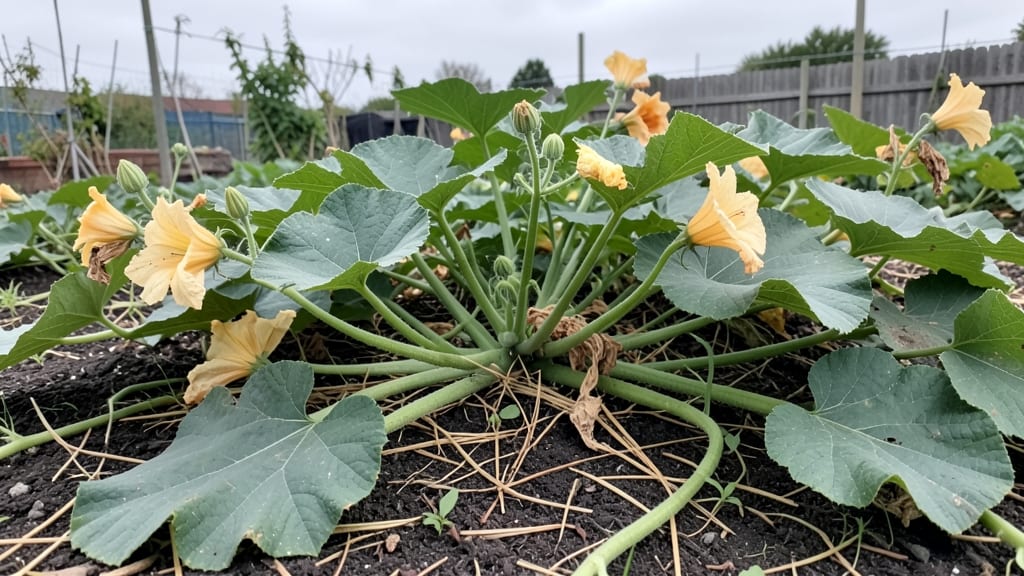
Understanding the pumpkin flower stages is the secret to growing those monster-sized pumpkins you’ve always dreamed of 🎃 — and it starts before the first bloom even opens.
If you’ve ever wondered why some pumpkins grow massive while others stay small, the answer lies in those delicate stages of flower development. Miss the 24-hour pollination window, and you’re left with wilted blooms and tiny fruit.
But get it right, and you’ll see vines heavy with pumpkins by fall.
From the first tiny bud to the moment fruit sets, each stage matters. I’ll walk you through what to watch for, how to tell male flowers from female, and the simple tricks to boost your harvest—no guesswork involved.
Ready to turn your pumpkin patch into a fruit-filled success? Let’s get started with the stages that make all the difference.
Pumpkin flower stages: male vs female identification & pollination timeline
Understanding pumpkin flower stages is the secret to growing bigger, healthier pumpkins. Each flower serves a unique purpose, and knowing how to identify them can mean the difference between a small harvest and a bountiful yield.
The journey from bud to fruit hinges on a 24-48 hour pollination window—missing it means lost potential. Let’s break down what you need to watch for in your garden.
Pumpkin plants produce two types of flowers: male flowers and female flowers. While male flowers are abundant and easy to spot, female flowers are rarer and hold the key to fruit development.
The pollination process begins when pollen from male flowers fertilizes the female flower’s ovary, triggering fruit growth. Timing this correctly ensures your pumpkins develop properly and reach their full size.
| Stage | Male Flower | Female Flower | Key Visual Cues | Pollination Window |
|---|---|---|---|---|
| Budding | Small, green buds appear first on vines. | Tiny buds form near leaf axils. | Both appear as green bumps. | Not applicable |
| Blooming | Large, yellow petals with a long stem. | Yellow petals with a tiny pumpkin at base. | Male flowers have no ovary; female flowers have a swollen base. | Day 1-2 of bloom |
| Pollination | Pollen released from male stamens. | Pollen lands on female stigma. | Female flower’s base swells within 24-48 hours. | 24-48 hours after opening |
| Wilting | Petals drop; stem dries. | Petals drop; tiny pumpkin remains. | Unpollinated female flowers wilt without fruit. | No further action needed |
| Fruit Development | N/A | Pumpkin grows from pollinated ovary. | Watch for uniform swelling. | Ongoing care required |
Now that you can spot the difference, let’s talk about why timing matters. Female flowers only remain receptive to pollination for 24-48 hours after opening. If pollen doesn’t reach the stigma within that window, the flower wilts without producing fruit.
This is why hand-pollination can be a game-changer, especially in low-bee areas or during hot, dry spells when bees are less active.
Pay close attention to the female flower’s base—this is where the magic happens. Within 24 hours of successful pollination, you’ll notice a small, marble-sized bump forming. This bump is the future pumpkin, and its growth depends entirely on whether the pollination window was met.
If you see a female flower wilt without swelling, it means pollination failed, and no fruit will develop from that flower.
One common mistake gardeners make is assuming all flowers will produce fruit. In reality, only female flowers can develop into pumpkins, and they’re often outnumbered by male flowers. To maximize your harvest, focus on identifying and protecting female flowers.
Remove any male flowers that aren’t contributing to pollination, and ensure bees or manual pollination reach the female flowers within their critical 48-hour window.
Environmental factors also play a role in pollination success. High temperatures above 90°F (32°C) can reduce bee activity, while heavy rain can wash away pollen. If you notice fewer female flowers or poor fruit set, it might be time to step in with hand-pollination techniques. I’ll cover these
How to hand-pollinate pumpkin flowers for guaranteed fruit set
When pumpkin plants produce flowers but fail to set fruit, it’s often because natural pollination isn’t enough—especially in greenhouses, rainy climates, or hot afternoons. Hand-pollination guarantees fruit set, but timing and technique matter.
The key is intervening during the 24-48 hour window when flowers first open, using the right tools to transfer pollen efficiently.
Most gardeners overlook that female flowers (with tiny pumpkins at their base) only stay receptive for 1-2 days. Missing this window means wasted blooms. I’ve found that early morning pollination (before 9 AM) yields the best results because humidity is lower, and pollen sticks better.
Late afternoon attempts often fail due to high heat drying out pollen too quickly.
Step-by-Step Guide to Hand-Pollination
- Step 1: Identify female flowers (they have a tiny pumpkin at the base) and male flowers (long stems, no pumpkin).
- Step 2: Pick a male flower in full bloom (petals fully open) and gently twist the stem to remove it.
- Step 3: Dip the male flower’s pollen-covered anther (yellow dusty part) into a female flower’s stigma (the bulbous top).
- Step 4: Use a paintbrush or cotton swab to transfer pollen if flowers are too large to handle directly.
- Step 5: Repeat for 3-5 female flowers per plant to maximize fruit set. Label pollinated flowers with toothpicks to track progress.
Pro Tip: Pollinate on dry, calm mornings—high humidity or wind can scatter pollen.
If you notice poor fruit development after pollination, check for blossom end rot (black spots on pumpkins) or pollen failure (wilting flowers without swelling). These issues often stem from calcium deficiency or overwatering.
To fix, apply calcium-rich fertilizer (like crushed eggshells) and ensure soil stays evenly moist but not soggy. I’ve seen gardens double their yield just by adjusting watering schedules!
For container-grown pumpkins, hand-pollination is even more critical since bees may avoid small spaces. Place a small fan near flowers to help pollen disperse naturally while you manually assist. Always wear gloves—pumpkin vines can be prickly, and pollen stains hands yellow for days!
Remember: One pollinated female flower can produce a 20-pound pumpkin if given proper care. The effort pays off when you harvest plump, disease-free fruit come fall. Start with just a few flowers to perfect your technique—before you know it, you’ll be a pollination pro!