
Plants
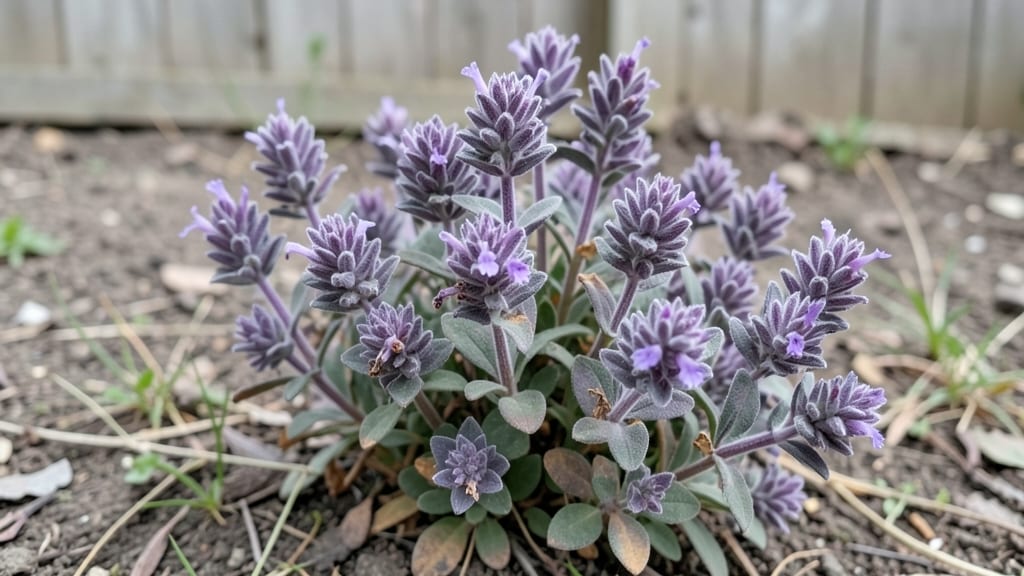
Growing purple flowering oregano 🌿 turns your garden into a pollinator paradise while adding a pop of color to your kitchen.
Imagine a culinary herb that doubles as a stunning pollinator magnet—this hardy perennial isn’t just for bees; its edible blooms add a unique purple hue to dishes and teas, making it a must-have for gardeners who crave dual-purpose plants.
Whether you’re planting in USDA Zone 6a or containers, its easy-care nature means fewer headaches and more rewards.
From spring planting in March to harvesting fragrant leaves and vibrant flowers from June to September, this herb thrives with minimal effort. The secret? Full sun, well-draining soil, and a little pruning to keep it lush.
Plus, its mild flavor pairs perfectly with Mediterranean dishes, giving you both beauty and taste in one plant.
Ready to transform your garden? I’ll walk you through every step—from propagation to pest control—so you can enjoy this versatile herb all season long.
How to grow purple flowering oregano: sunlight, soil & spacing secrets
Purple flowering oregano (Origanum vulgare 'Purple') is one of those magical plants that rewards gardeners with both edible blooms and pollinator-friendly flowers. Unlike its green-leaved cousin, this variety thrives in full sun to part shade and adapts to poor, rocky soil—making it perfect for low-maintenance gardens. Whether you're growing it for culinary uses or to attract bees, mastering its spacing and sunlight needs is key to success.
This hardy perennial grows in USDA hardiness zones 3–9, meaning it can handle cold winters and hot summers with ease. The secret to its success lies in well-draining soil with a pH of 6.0–8.0 and proper spacing (18–24 inches apart) to prevent overcrowding.
Let’s break down the essentials so you can grow a thriving patch of this dual-purpose herb.
| Category | Requirement | Specification |
|---|---|---|
| Sunlight | Ideal Exposure | Full sun to part shade (6+ hours/day) |
| Soil pH | Optimal Range | 6.0–8.0 (adaptable to alkaline soils) |
| Spacing | Plant Distance | 18–24 inches apart (prevents disease) |
| Hardiness Zones | Climate Range | 3–9 (survives -40°F to 20°F) |
| Mature Size | Height/Spread | 1–2 feet tall, 2–3 feet wide |
| Propagation | Best Method | Seeds (slow) or cuttings (fast) |
If you’re starting from seeds, know that germination can take 14–21 days in warm soil (70°F+).
For faster results, opt for softwood cuttings in spring—simply snip a 4-inch stem, remove lower leaves, and root it in moist perlite for 2–3 weeks. Transplant seedlings after the last frost, spacing them 18–24 inches apart to ensure airflow and reduce fungal risks like powdery mildew.
One of the biggest mistakes beginners make is overwatering purple flowering oregano. While it needs consistent moisture during establishment, once mature, it’s drought-tolerant and prefers dry soil between waterings. Aim to water deeply once a week in summer, reducing to bi-weekly in fall and monthly in winter.
For soil prep, mix in compost or aged manure to improve drainage, but avoid heavy, clay soils that can suffocate roots. A 5-10-10 fertilizer applied in early spring gives a gentle boost, but over-fertilizing leads to leggy growth and fewer flowers.
Mulch with straw or wood chips to retain moisture and suppress weeds—just keep mulch 2 inches away from stems to prevent rot.
When it comes to sunlight, purple flowering oregano is flexible but thrives in full sun. In hot climates (zones 7–9), provide afternoon shade to prevent leaf scorch, while cooler zones (3–6) can handle full sun all day.
If growing in containers, use a 5-gallon pot with drainage holes and place it where it gets at least 6 hours of sun.
Pruning is simple: trim back by 1/3 after flowering to encourage bushier growth and more blooms next season. Deadhead spent flowers to prolong blooming and prevent self-seeding if you don’t want volunteers popping up everywhere.
In winter, cut back brown stems to the ground, but leave green growth for early spring regrowth.
To maximize your harvest, harvest leaves just before flowering for the strongest flavor. For edible blooms, pick them when fully open but still vibrant purple.
Dry flowers on a screen or paper towel in a cool, dark place for 1–2 weeks, then store in airtight jars for up to a year. Use them to garnish salads, infuse oils, or brew purple-hued teas.
With its low-maintenance nature and dual-purpose appeal, purple flowering oregano is a game-changer for any garden
Edible uses of purple oregano flowers: recipes & culinary tips
Harvesting the purple blooms of flowering oregano transforms your garden into a culinary treasure trove. Unlike its green-leafed cousin, these edible flowers offer a milder, slightly sweet flavor with a stunning visual pop.
Their vibrant purple hue elevates dishes while adding subtle herbal notes—perfect for both garnishes and infused drinks.
Before using, ensure blooms are fully open and free of pesticides. Harvest in the morning after dew dries for maximum potency. The floral flavor pairs beautifully with citrus, honey, and light vinegar, making them ideal for both sweet and savory applications.
Purple Oregano Flowers: Uses & Considerations
Pros
- Visual appeal: Adds purple contrast to dishes
- Mild flavor: Less intense than green oregano
- Versatile: Works in drinks, desserts, and savory dishes
- Pollinator-friendly: Harvesting supports garden ecology
- Year-round use: Can be dried or frozen
Cons
- Limited quantity: Fewer blooms than leaves
- Delicate texture: Best used fresh, not cooked long
- Milder taste: Needs pairing with stronger flavors
- Pesticide risk: Must be organic for edible use
- Short season: Peak harvest lasts 4-6 weeks
Start with purple-hued teas by steeping 1 tablespoon of fresh or dried flowers in hot water for 5-7 minutes. The result is a light amber infusion with floral notes—perfect for iced tea or sparkling water. For cocktails, muddle flowers with citrus slices and honey before adding gin or vodka.
Try flower-infused syrups by simmering blooms with equal parts sugar and water for 10 minutes. Strain and use to sweeten cocktails, lemonade, or yogurt. The syrup keeps for 2 weeks refrigerated or 6 months frozen, making it a year-round pantry staple.
For salads, sprinkle whole or chopped flowers over greens with feta, olives, and balsamic. Their delicate crunch contrasts beautifully with creamy cheeses. Pair with roasted vegetables or grilled meats for a herbaceous finish that brightens any plate.
Preserve blooms by air-drying in small bundles or freezing in ice cube trays with water. Dried flowers last 6-12 months in airtight containers, while frozen ones retain 80% of their color for up to 3 months. Label containers clearly to track harvest dates.
Experiment with herbal butter by mixing softened butter with finely chopped flowers and a pinch of sea salt. Spread on warm toasted bread or melt over grilled fish for an unexpected flavor twist. The purple flecks make every bite visually stunning!