
Vegetables
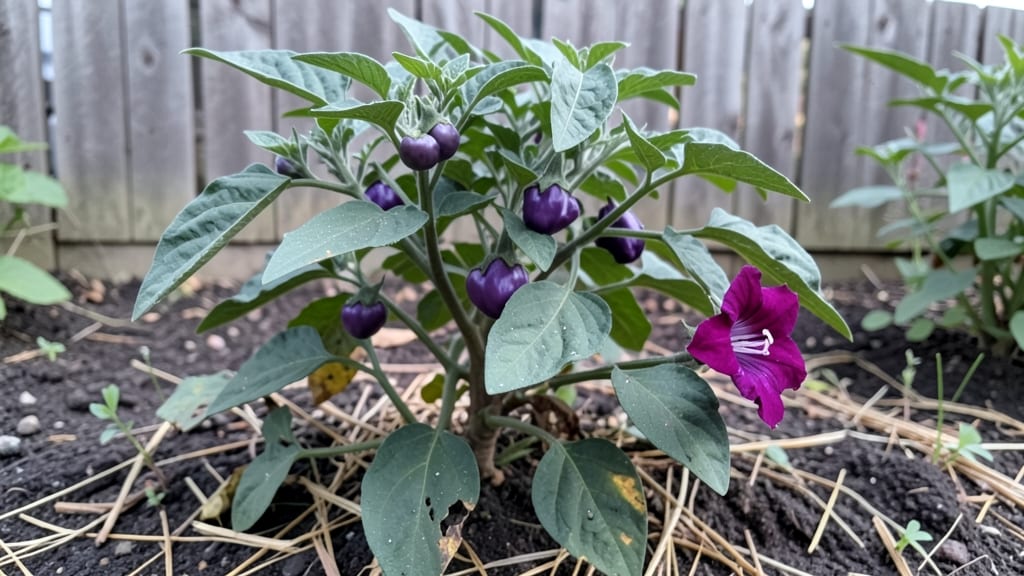
Growing purple pepper flowers 🌶️ isn’t just about pretty blooms—it’s the game-changer for a bigger, healthier harvest.
Did you know these vibrant flowers aren’t just beautiful—they’re the secret to stronger plants and more peppers? Yet many gardeners miss the mark, leaving their plants struggling to bloom.
The good news? With the right timing and care, you can turn those purple blooms into a bounty of fresh peppers by summer.
In USDA Zone 6a, planting in April or May after the last frost gives your purple peppers the best start. But even the right timing won’t guarantee blooms if you skip the essentials—like proper sunlight, balanced fertilizer, and smart watering.
I’ll show you exactly how to set your plants up for success, so you’re not left with just leaves and no flowers.
By the end, you’ll know the 5 key steps to trigger more purple pepper flowers, fix common mistakes that kill blooms, and keep your harvest thriving from July to October. Let’s get those flowers—and peppers—growing!
Why purple pepper flowers matter for your harvest success
Your purple pepper flowers aren’t just a pretty sight—they’re the foundation of your harvest success. These vibrant blooms signal the plant’s readiness to produce fruit, and understanding their role can transform your garden from sparse yields to a pepper-filled bounty.
The botanical magic happens when these flowers attract pollinators and convert into peppers, but only if they’re healthy and thriving.
Purple pepper flowers, often found on varieties like Purple Beauty Bell Peppers or Purple Shishito, play a critical role in fruit development. Each flower has the potential to become a pepper, but only if pollination occurs and the plant has the energy to support it.
Stressed flowers or poor growing conditions can lead to dropped blooms or underdeveloped peppers, wasting your hard work.
Here’s the game-changer: healthy purple flowers indicate a plant that’s well-nourished, properly pollinated, and ready to maximize fruit production. When you spot these blooms, you’re seeing the first stage of your harvest.
But not all flowers are created equal—some may look vibrant but are actually stressed or diseased, which can sabotage your yield.
Identifying healthy vs. stressed flowers is key. Look for bright purple petals that aren’t wilting or discolored, and check the center of the bloom for signs of pollinator activity (like tiny bees or dusted pollen).
A flower with a drooping or browned appearance may be struggling due to overwatering, nutrient deficiency, or pest damage.
The pollination process is where the real magic happens. Bees and other pollinators transfer pollen from the male anthers to the female stigma in the flower’s center. Without this step, your flowers won’t develop into peppers.
In greenhouse settings or areas with few pollinators, you may need to hand-pollinate using a small brush to transfer pollen yourself.
But here’s what most gardeners miss: flower health directly impacts fruit quality. A plant with abundant, vibrant purple flowers will produce larger, more flavorful peppers than one with sparse or struggling blooms.
The nutrient flow from the roots to the flowers determines how many peppers your plant can support, so every bloom is a potential harvest waiting to happen.
Now, let’s break down what you need to know to ensure your purple pepper flowers are thriving and setting the stage for a record-breaking harvest. Understanding the botanical requirements and care factors will help you avoid common pitfalls and maximize your yield.
🌱