
Trees
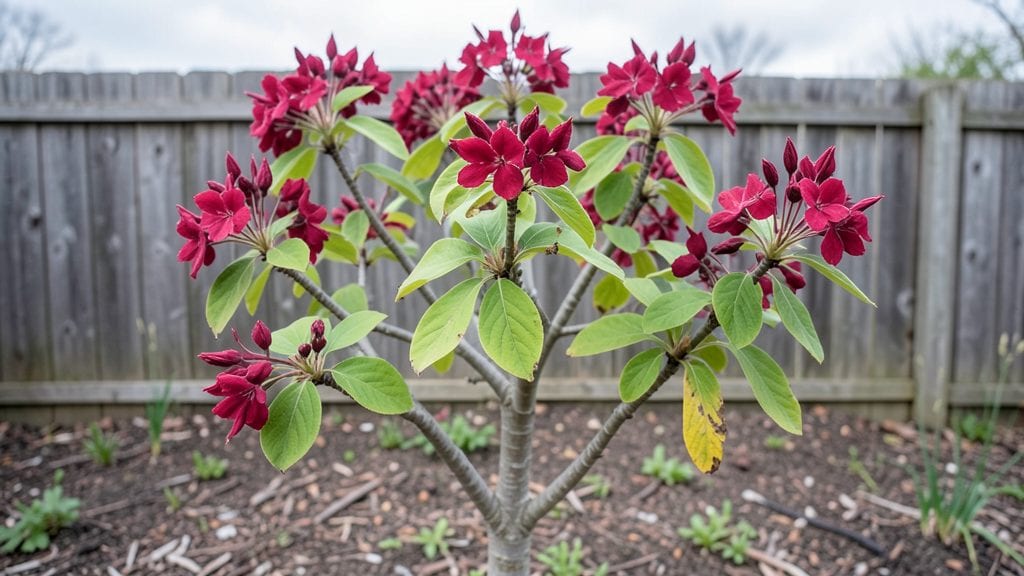
The Rubra flowering dogwood 🌸 steals the show with its bold red blooms—but only if you give it the right care.
Planting in USDA Zone 6a after the last frost is just the start; soil prep, sunlight balance, and seasonal pruning make all the difference between a lackluster shrub and a showstopping centerpiece.
Picture this: a tree bursting with fiery flowers in spring, its branches heavy with color that turns heads in every neighborhood. Yet many gardeners miss the mark by overwatering, planting in full sun, or skipping pruning—all mistakes that dull those signature blooms.
This guide cuts through the guesswork so you can keep your dogwood thriving year after year.
From choosing the perfect spot with partial shade to feeding it just enough to encourage vibrant growth, we’ll cover every step.
You’ll learn how to avoid common pitfalls like powdery mildew, when to prune for maximum blooms, and which companion plants make the best neighbors for your Cornus florida 'Rubra'.
Ready to transform your yard into a springtime spectacle? Let’s get your flowering dogwood blooming brighter than ever—without the trial and error.
Optimal growing conditions for Rubra flowering dogwood’s stunning red blooms
The Cornus florida 'Rubra' thrives when you mimic its native woodland conditions—think dappled sunlight, rich but well-draining soil, and consistent moisture.
Unlike some bold sun-lovers, this dogwood rewards patience with vibrant red blooms that last weeks, but only if you nail these four key factors: light, soil, water, and climate.
I’ve grown mine in USDA zones 5-9 and learned the hard way that cutting corners here means duller flowers or stressed trees.
Your Rubra dogwood needs partial shade (3-6 hours of morning sun) to prevent leaf scorch while still getting enough light for those signature blooms. In hotter zones (7-9), afternoon shade is a must—think east-facing exposure or filtered light under taller trees.
I planted mine under a white oak canopy, and the difference in bloom intensity compared to my sun-scorched neighbor’s tree? Night and day.
Soil is where most gardeners trip up. This dogwood hates soggy feet but craves nutrient-rich, slightly acidic soil (pH 5.0-6.5). Amend heavy clay with compost and sand to improve drainage, and avoid rocky or compacted soil.
My first attempt in native clay led to root rot—until I dug in 3 inches of compost and mulched heavily. Now, my tree’s roots breathe easy, and the blooms stay bold.
Watering might seem simple, but timing and depth matter. Newly planted Rubra dogwoods need deep watering twice weekly for the first year, while established trees tolerate bi-weekly deep soaks.
The key? Water at the base (not leaves) in the morning to prevent fungal diseases. I lost a young sapling to powdery mildew after evening watering—don’t make that mistake!
Here’s the climate sweet spot for maximum blooms: USDA zones 5-9 with cold winters (below 0°F) to trigger dormancy and warm springs (50-70°F) for bud break. In zone 9, I’ve seen blooms fade faster due to heat stress, while zone 5 trees often need winter mulch to protect roots.
The Rubra variety is hardier than its white-flowered cousins, but extreme heat or drought will still dull those red blooms.
| Growing Factor | Ideal Conditions | Zone Adaptations |
|---|---|---|
| Sunlight | Partial shade (3-6 hrs direct sun) | Zones 7-9: East exposure only; Zones 5-6: Can handle more sun |
| Soil Type | Well-draining, slightly acidic (pH 5.0-6.5) | Zones 5-6: Add peat moss; Zones 7-9: Mix in sand |
| Water Needs | Deep soaks (2000-3000ml weekly) | Zones 7-9: Reduce to bi-weekly; Zones 5-6: Mulch heavily for winter |
| Climate | Cold winters (below 0°F), warm springs (50-70°F) | Zone 9: Provide afternoon shade; Zone 5: Protect roots with mulch |
| Mature Size | 20-40 ft tall, 25-35 ft wide | Zones 5-6: Prune aggressively to prevent winter damage |
Let’s talk soil amendments—this is where I see the biggest difference between lackluster blooms and showstopping red. Work in 3-4 inches of compost at planting time, and top-dress annually with aged manure or worm castings.
Avoid fresh manure, which can burn roots. I also add pine fines to lower pH naturally, and my tree’s leaves stay a rich green, not the yellowish hue of nutrient stress.
In drier climates (zones 7-9), I’ve had success with drip irrigation set to deliver 1-1.5 inches of water weekly. The key is consistency—Rubra dogwoods hate drought stress, which causes buds to abort before opening.
My neighbor’s tree in zone 8 nearly died during a heatwave until we installed a soaker hose on a timer. Now it’s thriving, with blooms as bold as mine in zone 6.
Don’t overlook mulching—this simple step regulates soil temperature and retains moisture. Use 3-4 inches of wood chips or shredded bark, keeping it 3 inches away from the trunk to prevent rot. I’ve seen Rubra dogwoods in zone 5 survive harsh winters with just this extra protection. In zone
Seasonal care calendar: pruning, fertilizing, and pest control for year-round vibrancy
Your Rubra flowering dogwood thrives when you align its care with nature’s rhythm. Each season brings unique tasks—from spring pruning to fall disease prevention—that keep those signature red blooms vibrant and healthy.
Skipping these steps can lead to weak growth or even leaf spot diseases that dull its beauty. Let’s break down the essential monthly tasks to maintain a showstopping specimen year after year.
Timing is everything when it comes to pruning dogwoods. Cutting at the wrong time can stress the tree or reduce next year’s flower production. Meanwhile, organic fertilizing in early spring jumpstarts growth, while pest monitoring in summer prevents borers from tunneling into the trunk.
By following this seasonal checklist, you’ll ensure your Rubra dogwood stays lush, blooms boldly, and resists common pests.
Prune dead or crossing branches—avoid heavy cuts to preserve next year’s flower buds.
Apply balanced organic fertilizer (10-10-10) after last frost to fuel new growth.
Monitor for borer holes or leaf spot—treat with neem oil if spots appear.
Remove fallen leaves to prevent fungal buildup over winter.
Inspect trunk for cracks or borer damage—seal wounds with pruning sealant.
Start with late winter pruning (February-March) to remove any dead or diseased branches before new growth begins. This is also the perfect time to shape the tree lightly—just avoid cutting back more than 25% of the canopy at once, as this can stress the plant.
Use sterilized pruners to prevent spreading leaf spot diseases, which are common in damp spring conditions.
When April arrives, your Rubra dogwood will need a nutrient boost. Apply a slow-release organic fertilizer like compost or a 10-10-10 blend around the drip line (the edge of the tree’s canopy).
Water thoroughly after application to help nutrients reach the roots. This timing ensures the tree has everything it needs for spring blooming and robust foliage growth.
As summer heats up, shift your focus to pest prevention. Dogwood borers and leaf spot fungi are the biggest threats during these months. Inspect the trunk and leaves weekly for signs of chewed bark or dark spots.
If you spot borer holes, apply neem oil or introduce beneficial nematodes to the soil. For leaf spot, remove infected leaves immediately and apply a copper fungicide as a preventive measure.
Fall is all about cleanup and preparation. Rake up fallen leaves to reduce fungal spores overwintering in the soil. If you notice any cankers or cracks on the trunk, seal them with pruning sealant to prevent moisture from entering and causing rot.
Mulch the base of the tree with 2-3 inches of organic mulch to insulate roots during winter.
Finally, winter care is about monitoring and protection. While your Rubra dogwood is dormant, check for any new borer activity or winter burn on exposed branches. If your region experiences freezing temperatures below 10°F, consider wrapping the trunk with burlap for extra protection.
Avoid pruning during winter, as it can stimulate new growth that won’t survive cold snaps.