
Plants
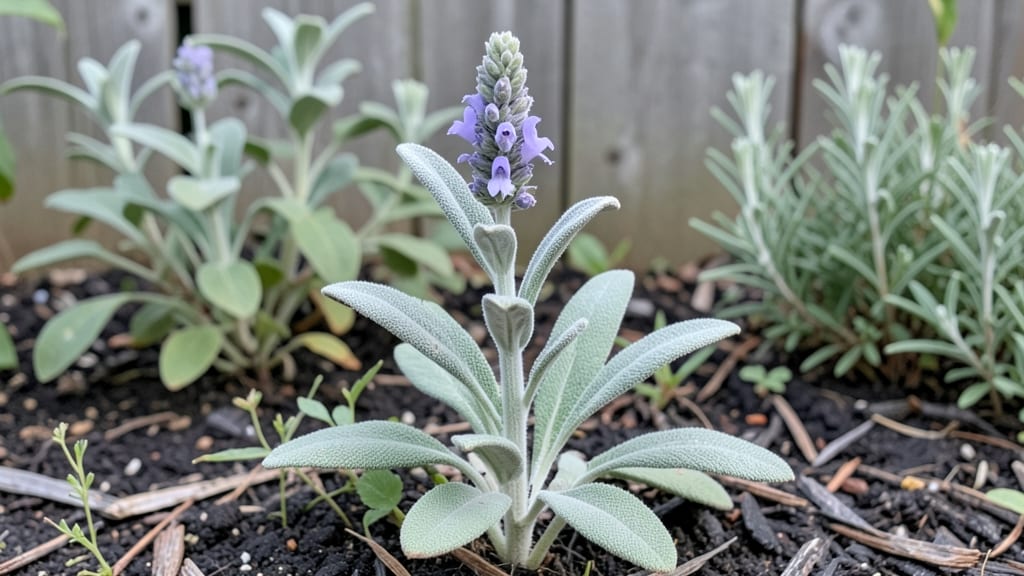
Your sage herb flowering can actually boost leaf production if you time it right—most gardeners make the mistake of cutting too late or too aggressively.
Seeing those delicate purple-blue blooms pop up is a gardener’s dilemma: should you let them stay for beauty, or snip them away to keep the leaves lush? The truth is, pruning at the right moment can give you both—more leaves and occasional flowers—without draining your plant’s energy.
In USDA Zone 6a, sage typically flowers in late spring, just as new growth kicks in. That’s when the real decision happens: do you let those buds open, or redirect that energy back into the leaves you actually harvest?
The answer depends on your goals—and a few simple pruning tricks most gardeners miss.
Below, I’ll walk you through the exact steps to encourage stronger leaf growth while still enjoying those occasional blooms, plus when to prune for the best flavor and how to spot the perfect time to act.
When does sage herb flower and how it affects leaf growth
If you’ve ever grown sage herb, you know those stunning lavender-blue flowers can be a double-edged sword. While they add beauty to your garden, they also signal a shift in your plant’s priorities—from leaf production to seed development.
Understanding sage flowering cycles is key to deciding whether to prune those blooms or let them thrive. The timing of flowering varies by climate zone, but most sages bloom in late spring to early summer, with a second flush in late summer for some varieties.
The moment sage flowers appear, your plant redirects energy from growing aromatic leaves to producing seeds. This means fewer tender leaves for your kitchen—and a slower recovery after pruning.
In USDA Zone 6a, flowering typically begins in May or June, while warmer regions like Zone 8+ may see blooms as early as April. Recognizing these cues early helps you act before your sage’s flavor fades.
| Flowering Stage | Time of Year | Impact on Leaves | Pruning Window |
|---|---|---|---|
| Bud Formation | Late Spring (May) | Leaves slow growth | Pinch buds early |
| Full Bloom | Early Summer (June) | Leaf production stops | Prune after blooms fade |
| Seed Development | Late Summer (August) | Leaves become woody | Heavy pruning |
| Dormancy | Fall/Winter | No new growth | None needed |
In cooler climates, like Zone 5 or 6, flowering may be delayed until June or July due to slower spring warming. Meanwhile, southern gardens in Zone 9+ often see early blooms as soon as April, sometimes even overwintering in mild winters.
The key is to monitor your plant’s growth stage—not just the calendar. Look for buds forming at stem tips as your first warning sign.
When sage flowers appear, they signal the plant’s shift toward reproductive growth. This means energy that once fueled leafy, flavorful shoots now goes toward developing seeds. The result? Slower leaf production and a noticeable drop in the quality of your harvest.
For example, common sage may produce 30% fewer leaves during peak flowering compared to pre-bloom stages. This is why many gardeners prune flowers aggressively to maintain a steady supply of culinary-grade sage.
If you’re growing sage for ornamental purposes, letting flowers form can enhance your garden’s visual appeal. However, if your goal is leaf production, pruning becomes essential. The best time to prune is right after flowering, typically in late June or early July for most regions.
This timing allows you to redirect energy back to leaf growth before winter dormancy sets in. Late pruning can leave your plant vulnerable to winter damage or reduced vigor.
Regional climate differences play a huge role in sage flowering. In arid climates, like those in Arizona or California, sage may bloom earlier due to hotter, drier conditions.
Conversely, humid climates in the Southeast can delay flowering until July or August because excess moisture slows the plant’s transition to seed production. Always adjust your pruning schedule based on your local last frost date and summer heat patterns.
One common mistake is waiting until flowers are fully open to prune. By then, your sage has already diverted significant energy toward seed development. Instead, I recommend pinching off buds as soon as they form—typically in late spring.
This encourages the plant to produce more lateral shoots, which are packed with flavorful leaves. For container-grown sage, this technique is especially effective because it maximizes space for leafy growth.
After pruning, your sage will need time to recover. Focus on watering deeply but infrequently—once every 7-10 days—to encourage strong root growth. Avoid fertilizing immediately after pruning, as new shoots are sensitive to high nitrogen levels. Instead, wait until late summer to apply a balanced fertilizer (like
Step-by-step guide to pruning sage flowers for more leaves
Pruning sage flowers might seem counterintuitive, but it’s the secret to bushier, leafier plants. When those purple-blue blooms appear, your sage is diverting energy away from leaf production. The key is acting at the right time and using the right technique to encourage dense foliage.
I’ve pruned my own sage for years, and I’ll share the exact steps that work—plus the tools you’ll need and what to avoid.
Timing is everything. You’ll want to prune just as flower buds form (usually in late spring or early summer) or after blooms fade. This redirects the plant’s energy back to leaf growth instead of seed production.
Use clean, sharp pruning shears or your fingers for pinching—never dull tools, as they can damage stems and invite disease. Let’s break it down step by step.
How to Prune Sage Flowers for Leaf Growth
-
Step 1: Identify Flower Buds
Look for tiny buds forming along the stems (usually 3-4 weeks after last frost). These signal the plant’s shift toward flowering. -
Step 2: Gather Tools
Use sterilized pruning shears (for cuts) or your fingers (pinching). Avoid dull scissors—they crush stems. -
Step 3: Pinch or Cut Flowers
For small plants, pinch off buds with your thumb and forefinger. For mature plants, cut 1/3 of the stem just above a leaf node. -
Step 4: Prune Strategically
Focus on outer stems first to encourage fuller growth. Avoid cutting into old wood (woody stems)—this stresses the plant. -
Step 5: Dispose of Clippings
Remove flowering stems from the garden to prevent seed spread or disease. Compost them if pest-free. -
Step 6: Fertilize Lightly
After pruning, apply a balanced fertilizer (10-10-10) to support new leaf growth. Water deeply to help recovery.
One of the biggest mistakes I see is over-pruning—cutting too much at once or removing too many leaves. This shocks the plant and can stunt growth. Stick to removing only the flowering stems and never more than 1/3 of the plant in one session.
If you’re unsure, start with just a few stems and monitor the plant’s response.
After pruning, your sage should show new growth within 2-3 weeks. Keep it in full sun and water deeply but infrequently—sage is drought-tolerant, and overwatering can rot stems. I also recommend mulching around the base to retain moisture and suppress weeds, which compete for nutrients.
With proper care, your pruned sage will reward you with lush, aromatic leaves all season long.
Pro tip: If you love the look of sage flowers but still want leaves, let a few stems bloom—just prune the rest. This balances aesthetics and harvest. And remember, regular pruning (every 4-6 weeks during growing season) keeps your sage healthy and productive. Happy pruning!