
Succulent
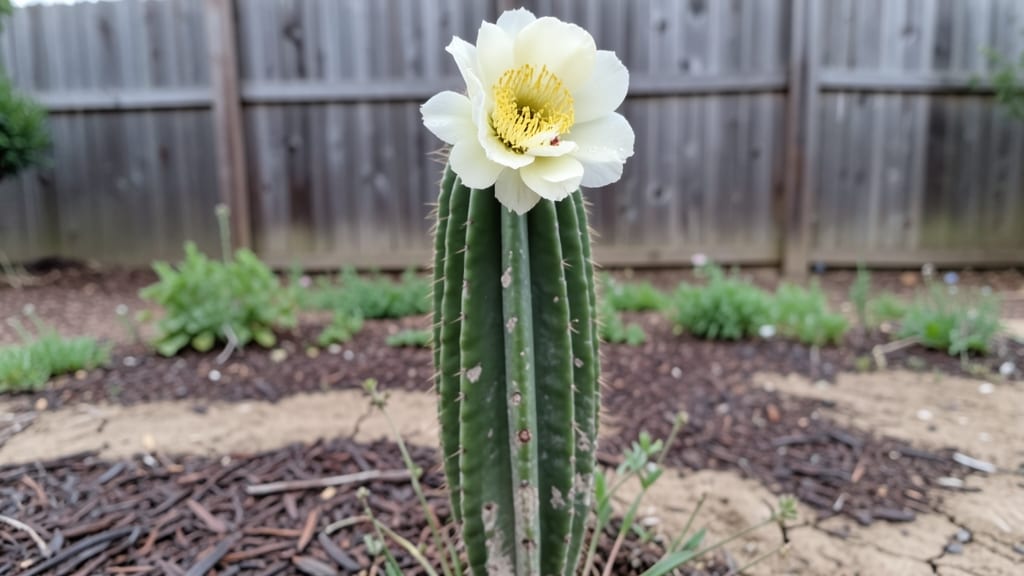
Spotting a saguaro blossom flower 🌵 is like finding a hidden desert treasure—these rare white blooms appear only every few years, and when they do, they transform the landscape into a surreal, snowy wonderland.
Every spring, the Sonoran Desert transforms into a breathtaking spectacle as towering saguaros burst into vibrant white blooms—one of nature’s most dramatic displays. But spotting these elusive flowers requires timing, location knowledge, and a keen eye for detail.
If you’re in USDA zones 9b-11 (think Arizona or the Sonoran Desert), you already know how precious these moments are. The blooms only last a few days, opening at night and closing by midday, so missing them means waiting years for another chance.
In this guide, I’ll share the exact timing to catch them, the best spots to look, and how to tell a saguaro bloom apart from other desert flowers—so you’re ready the next time the desert puts on its most stunning show.
When do saguaro blossoms bloom and what triggers their appearance?
The saguaro blossom flower (Carnegiea gigantea) emerges in a breathtaking display, but their timing is tightly linked to the desert's fickle weather. Most blooms appear between March and May, though exact dates vary yearly.
These flowers are a reward for patience—saguaros typically take 15 to 75 years to produce their first blooms, with peak flowering occurring after 50 years of age. Understanding their triggers helps you predict when to witness this rare spectacle.
Saguaro blossoms are nocturnal pollinators, opening at dusk and closing by midday. This unique adaptation attracts night-flying insects like moths and bats, which play a crucial role in their reproduction.
The flowers' short lifespan—just 24 to 48 hours—adds urgency to spotting them in the wild. Their fleeting beauty makes timing and location knowledge essential for any desert enthusiast.
🌱
The primary trigger for saguaro blossoms is winter rainfall, particularly between November and February. A single 1-2 inch rain event can stimulate flower buds to form, but consistent moisture is unnecessary—these cacti thrive in drought.
In dry years, blooms may be sparse or absent entirely, while wet winters often result in spectacular displays. For example, after the 2023 monsoon rains in Arizona, saguaros in Saguaro National Park produced an unusually abundant bloom.
Temperature also plays a critical role. Saguaro blossoms develop best when nighttime temperatures stay between 50-70°F, while daytime highs reach 80-90°F. These conditions create the ideal balance for bud formation and flower opening.
If nights are too cold (below 40°F) or days are excessively hot (above 100°F), blooms may fail to develop or open properly.
This is why elevation matters: saguaros in higher desert regions (like Flagstaff, AZ) may bloom later than those in lower elevations (such as Tucson).
Another fascinating factor is the age of the saguaro. While some 15-year-old cacti may produce a single bloom, most saguaros don’t reach their full flowering potential until they’re 50 years or older.
This is why ancient saguaros (those over 100 years old) are often covered in hundreds of blossoms. If you’re hoping to witness a spectacular display, focus on mature saguaros in protected areas like Organ Pipe Cactus National Monument or Sonoran Desert preserves.
Soil conditions also influence blooming success. Saguaro cacti prefer well-draining, rocky soils with minimal organic matter. In heavily amended soil (like garden beds with compost), saguaros may produce fewer blooms due to excessive moisture retention.
Native desert soils, with their gravelly texture, mimic the ideal environment for flower development. If you’re growing saguaros in a landscaping project, avoid over-fertilizing—they thrive with minimal nutrients and no regular feeding.
To predict saguaro blooms, monitor local weather patterns and rainfall reports in the Sonoran Desert. Websites like the National Weather Service or NOAA Climate Data provide historical rainfall trends for key regions.
For instance, Tucson, AZ typically sees blooms after January-February rains, while Phoenix may experience them slightly later due to urban heat islands. Keeping a bloom journal of saguaro activity in your area can also help you anticipate future displays.
One of the most misunderstood aspects of saguaro blooms is their nocturnal nature. Unlike many desert flowers that open during the day, saguaros release their fragrance and nectar at night,
Best locations to spot saguaro blossoms in the wild
If you’ve ever dreamed of witnessing saguaro blossoms in their natural habitat, you’re in for a treat. These nocturnal white flowers appear only after decades of growth, making their locations some of the most magical spots in the Sonoran Desert.
Timing is everything—most blooms emerge between March and May, but heavy winter rains can shift this window. Start planning your trip now to catch this ephemeral spectacle before the flowers fade by midday.
The Sonoran Desert stretches across Arizona, Sonora (Mexico), and Baja California, but not all areas offer equal access. National parks like Saguaro National Park and Organ Pipe Cactus National Monument are prime destinations, but lesser-known spots like Kofa National Wildlife Refuge and Desert Botanical Garden also deliver stunning views.
Always check local bloom reports, as flowering cycles vary yearly due to rainfall patterns.
Saguaro National Park, Arizona
Two districts—Rincon Mountain and Tucson Mountain—offer dense saguaro groves with reliable blooms. Rincon Mountain is best for photography due to its iconic views.
Organ Pipe Cactus National Monument
A UNESCO Biosphere Reserve with older saguaros (some 150+ years old) and rare blooms. Remote location requires 4WD access in some areas.
Desert Botanical Garden, Phoenix
A managed grove with guaranteed blooms (peak April-May). Accessible trails and interpretive signs make it ideal for families.
Kofa National Wildlife Refuge
A hidden gem with wildflower meadows and solitary saguaros. Best for solitude—fewer crowds than national parks.
Sonoran Desert Museum, Tucson
Offers up-close views of blooming saguaros in a controlled environment. Educational exhibits explain pollination and ecology.
For international travelers, Baja California’s Valle de los Cirios is a must-visit, where saguaros grow alongside cirio cacti and ocotillos. However, border crossings require advance planning, so verify entry requirements before your trip.
Always pack sun protection, plenty of water, and a field guide—these blooms are fleeting and worth every effort to preserve.
Safety in the desert is non-negotiable. Hydration stations are sparse, and temperatures can exceed 100°F even in spring. Stick to designated trails, avoid hiking at midday, and never touch saguaro ribs—they’re sharp and toxic.
If you’re visiting remote areas, inform someone of your plans and carry a fully charged phone or satellite communicator.
Pro tip: Arrive before sunrise to catch saguaro blossoms at their peak. These nocturnal flowers close by mid-morning, so timing your visit is key. Bring a tripod for low-light photography—you’ll thank yourself later for these once-in-a-lifetime shots of nature’s desert masterpiece.