
Trees
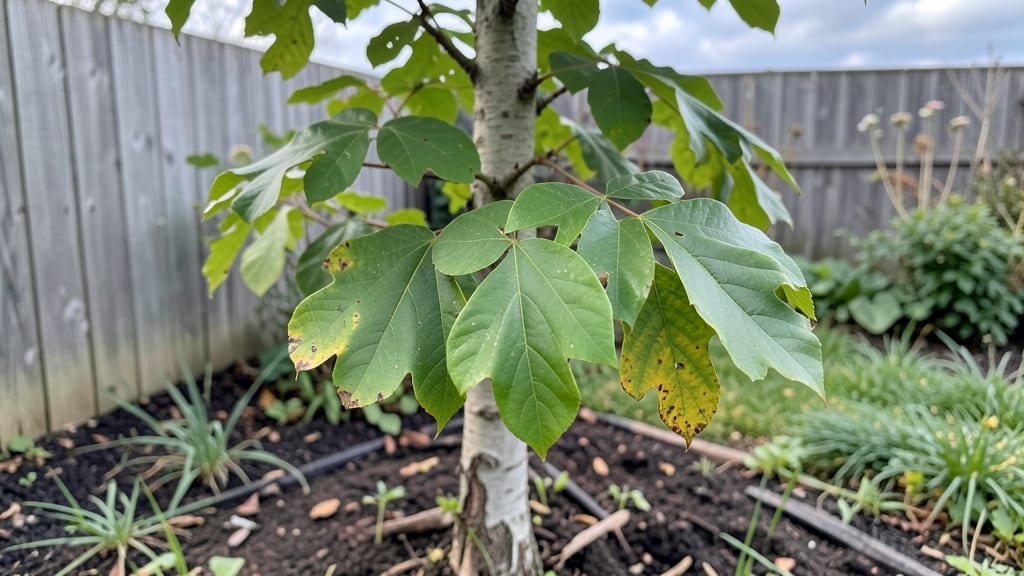
Spotting the sassafras tree flowers 🌳 is your first clue that spring’s best pruning window is almost here — and missing it means weaker growth all season.
The fleeting, star-shaped blooms of the sassafras tree mark a critical window for gardeners—miss them, and you’ll lose the chance to prune at the optimal time for vibrant foliage and root growth.
These delicate yellow-green flowers appear before the leaves, lasting just a few weeks in early spring. If you’ve ever wondered why your tree looks less vigorous after pruning, timing might be the answer.
Here’s how to recognize them, when to act, and why they’re the secret to a healthier tree all year.
When and where to find sassafras tree flowers: seasonal timing and growth habits
The sassafras tree (Sassafras albidum) is one of nature’s earliest bloomers, with delicate yellow-green flowers that appear before its iconic mitten-shaped leaves. These fleeting blooms are your signal to time pruning perfectly—cutting too early risks removing next year’s flower buds, while waiting too long may stress the tree.
Understanding their seasonal window and regional variations is key to maximizing your tree’s health and yield.
Sassafras flowers typically emerge in late winter to early spring, often between February and April, depending on your USDA hardiness zone.
In warmer climates like Zone 8-9, you might spot them as early as January, while in colder regions like Zone 5-6, they may not appear until April.
The flowers are fragrant and star-shaped, hanging in clusters from bare branches—making them easy to spot if you know what to look for.
Here’s how to identify the optimal flowering window for your region, along with critical growth habits that affect pruning decisions:
| Feature | Details | Key Notes |
|---|---|---|
| Flowering Season | Late winter to early spring | Zones 5-6: March-April; Zones 8-9: January-February |
| Flower Appearance | Yellow-green, star-shaped, fragrant | Hang in clusters; appear before leaves |
| Pruning Window | After flowers fade (late spring) | Avoid cutting before April 15 in most regions |
| Regional Variations | Southern climates: Earlier blooms | Northern climates: Delayed by frost |
| Growth Habits | Fast-growing in youth | Mature trees grow 1-2 ft/year; prune to shape |
The sassafras tree’s flowers are a critical indicator for pruning timing. Since the tree sets next year’s flower buds in late summer, pruning too early—before the blooms fade—can remove these buds and reduce next season’s flowers.
Always wait until late spring, after the flowers have dropped but before new leaves harden, to prune for optimal growth.
In warmer climates, sassafras trees may produce a second flush of flowers in late spring if conditions are ideal. However, this is rare and shouldn’t be relied upon for pruning decisions.
Focus instead on the primary flowering window in early spring, as this is when the tree’s energy is most focused on bloom production.
If you’re new to sassafras care, one common mistake is pruning in winter when the tree is dormant. While this won’t kill the tree, it can delay spring flowering and weaken root growth.
Instead, mark your calendar for April 15 (or adjust for your region) and prune 2-4 weeks later, once the flowers have fully faded.
Another key habit to note is how young sassafras trees (under 5 years old) may flower more sparingly than mature trees. This is normal—they’re still establishing their root systems.
Avoid heavy pruning on young trees, as this can stunt flower production for years. Focus on light shaping and removing only dead or crossing branches.
For mature sassafras trees, flowering is more vigorous, but over-pruning can lead to reduced bloom cycles. Aim to remove no more than 20-30% of the canopy in any single pruning session.
Thinning out dense inner branches improves airflow and light penetration, which can enhance flower production in subsequent years.
To spot sassafras flowers before leaves emerge, look for bare branches with small, yellow-green clusters. The flowers are highly fragrant, especially on warm mornings, which can help you locate the tree even if it’s hidden by other vegetation.
Once you’ve identified the flowering branches, avoid pruning them until late spring to preserve next year’s blooms.
Pro tip: If you’re growing sassafras for culinary or medicinal purposes, timing is everything. The young leaves (harvested before flowering) are the most flavorful. Wait until the flowers have fully opened and fallen before harvesting leaves to ensure you’re not disrupting the tree’s reproductive cycle.
Why sassafras flowers matter: pruning tips to boost tree health and yield
Sassafras trees produce delicate, yellow-green star-shaped flowers in early spring—often before leaves emerge. These blooms aren’t just pretty; they’re a critical indicator of your tree’s health and a guiding signal for pruning. When you time your cuts right, you encourage vibrant foliage and strong root growth for years to come.
The key? Observing when flowers fade and understanding how pruning affects next year’s bloom cycle.
Many gardeners mistakenly prune sassafras trees in late winter, assuming dormant season is always best. But post-flowering pruning (late spring to early summer) actually gives your tree a second growth surge before winter.
This timing helps avoid flower bud damage and ensures your tree’s energy goes toward both roots and foliage. If you prune too early, you risk reducing next year’s blooms—and missing out on that signature spring fragrance.
⚠️
Never prune while sassafras flowers are open (March-April in most zones). Flowering signals the tree is actively producing energy for seeds and new growth. Pruning then stresses the tree, weakens next year’s blooms, and can even stunt root development. Wait until after flowers fade (typically late May) for optimal results.
To determine the best pruning window, watch for three key signs: flowers dropping, new leaf buds swelling, and the tree’s mottled bark becoming more pronounced. Once flowers are gone, your tree enters its post-bloom growth phase—the perfect time to prune.
Focus on removing dead or crossing branches first, then shape the canopy. Avoid heavy cuts; never remove more than 25% of the canopy in one season, or you’ll risk over-pruning stress.
Young sassafras trees (under 5 years old) need minimal pruning—just remove suckers or damaged limbs. Mature trees (10+ years) can handle structural pruning to open the canopy for sunlight. Always use clean, sharp tools to prevent disease, and sterilize pruners with rubbing alcohol between cuts.
For large branches, make three cuts: undercut, then a second cut 6-12 inches out from the first, and finally the final cut outside the branch collar.
Over-pruning sassafras trees is a common but costly mistake. Signs include yellowing leaves, stunted growth, or no flowers the following spring. If you’ve already pruned too much, stop cutting immediately and focus on deep watering and balanced fertilization (10-10-10 NPK) to recover.
A lightly pruned sassafras thrives for decades, while an over-pruned tree may take 3-5 years to rebound—if it ever does.
Pro tip: Mark your calendar for late May to early June—this is your ideal pruning window in most USDA zones 6-9. In colder regions (zones 4-5), wait until after the last frost (typically mid-June) to avoid late-season cold damage.
With the right timing, your sassafras will reward you with lush foliage, fragrant flowers, and strong root systems for generations. ✂️🌳