
Lawn
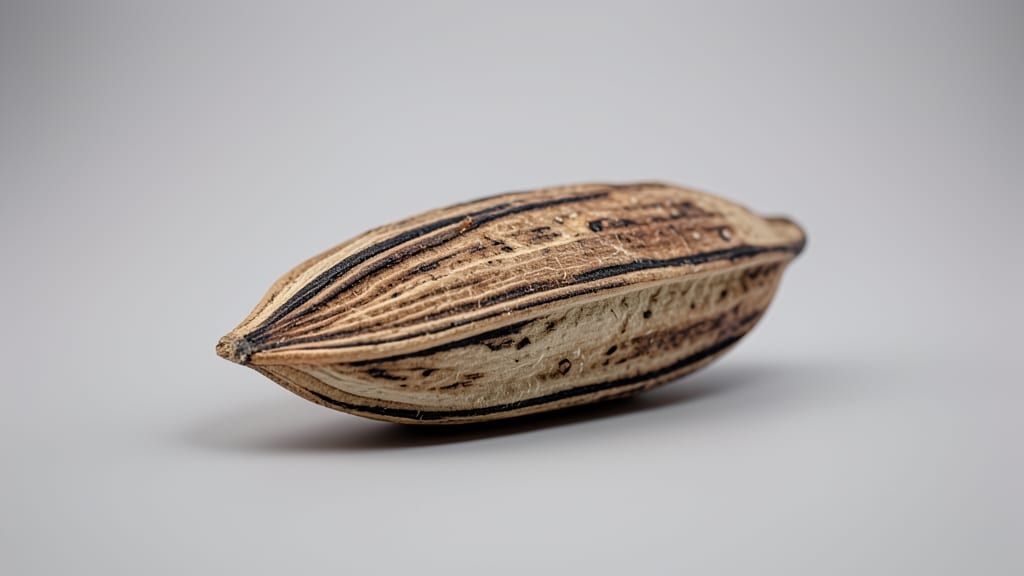
A sunflower seed's tiny size—about 1/4 inch long and weighing just 0.1 grams—holds the secret to growing giants that reach 12 feet tall.
Did you know the tiny sunflower seed you plant today could grow into a towering 12-foot giant? Understanding its exact size is the first step to unlocking its massive potential in your garden.
These seeds may look unassuming, but their dimensions directly impact how you plant, space, and even save them for future seasons. Too shallow, and they won’t germinate; too close together, and they’ll compete for sunlight.
In this guide, I’ll break down the exact measurements, compare them to everyday objects, and show you how to work with their delicate size for the best results in your 6a zone garden.


Exact dimensions of a sunflower seed: length, width, and weight breakdown
Sunflower seeds (Helianthus annuus) might seem tiny, but their precise dimensions play a crucial role in germination and growth. The average sunflower seed length ranges from 0.5 to 1 inch, while width typically measures 0.25 to 0.5 inches.
These measurements might seem small, but they hold the key to growing towering plants that reach 6 to 16 feet tall! Understanding these specifics helps with proper planting depth and spacing for optimal results.
Weight variations also exist, with most seeds weighing between 0.1 to 0.3 grams each. Larger seeds often correlate with faster germination and stronger early growth. For example, Mammoth Russian sunflower seeds tend to be heavier than Teddy Bear varieties.
These differences matter when planning your garden layout or deciding how many seeds to plant per row.
Here’s a breakdown of the average dimensions for common sunflower varieties:
| Variety | Length (inches) | Width (inches) | Depth (inches) | Weight (grams) | Notes |
|---|---|---|---|---|---|
| Mammoth Russian | 0.8-1.0 | 0.4-0.5 | 0.3-0.4 | 0.2-0.3 | Largest variety; ideal for tall plants |
| Autumn Beauty | 0.6-0.8 | 0.3-0.4 | 0.2-0.3 | 0.15-0.2 | Medium-sized; popular for cut flowers |
| Teddy Bear | 0.5-0.7 | 0.25-0.35 | 0.2-0.25 | 0.1-0.15 | Dwarf variety; smaller seeds |
| Russian Giant | 0.7-0.9 | 0.35-0.45 | 0.25-0.35 | 0.18-0.25 | Heavy seeds; strong early growth |
To put these dimensions into perspective, imagine a sunflower seed length compared to a grain of rice. Most sunflower seeds are about 2 to 3 times longer than a long-grain rice kernel, making them easier to handle when planting.
Their width is roughly the same as a peppercorn, which helps when spacing seeds in rows. These comparisons can be useful when calibrating your planting tools or deciding how many seeds to sow per square foot.
When planting, remember that seed depth should be about 1 inch below the soil surface. This depth ensures moisture reaches the seed while protecting it from drying out or being displaced by birds.
Larger seeds like those from Mammoth Russian varieties can handle slightly deeper planting, while smaller seeds like Teddy Bear should stay closer to the surface for quicker germination.
Weight also affects how you handle seeds during planting. Heavier seeds, like those from Russian Giant sunflowers, may require slightly more force when pressing them into the soil. If you're planting in large quantities, consider using a seed spreader or planting grid to maintain consistent spacing.
This is especially important for varieties that grow close together, like Autumn Beauty, which can reach 5 to 6 feet tall and need proper airflow to prevent disease.
For gardeners who save seeds, understanding these dimensions helps with seed viability testing. A healthy sunflower seed should feel firm and plump, not shriveled or hollow. Weighing a handful of seeds can give you a quick check—if they feel unusually light, they may not store well for future planting.
Storing seeds in a cool, dry place (like a sealed container in the fridge) helps maintain their size and weight over time.
If you’re new to growing sunflowers, these measurements might seem insignificant, but they directly impact your success. For instance, planting seeds too deep can delay germination, while spacing them too closely may lead to competition for nutrients.
Use these dimensions as a guide to create the perfect environment for your sunflowers to thrive from the very first tiny seed to a sun-drenched giant.
Next time you hold a sunflower seed in your hand, remember: that tiny package holds the potential to become one of the most striking plants in your garden. With the right care and attention to its dimensions
How sunflower seed size affects growth and yield potential
Believe it or not, the tiny sunflower seed you hold in your palm holds the key to your plant's future. Larger seeds typically pack more nutrients and energy, giving them a head start in the race to become a towering 12-foot giant.
This advantage translates directly into faster germination and stronger early growth, setting the stage for bigger flowers and higher yield potential later in the season.
Smaller seeds, while less impressive at first glance, often produce plants that are more compact and bushy. They may take a few extra days to sprout, but their resilience can lead to denser foliage and sometimes even more seed production per square foot.
The trade-off? You might need to plant them slightly deeper or more densely to compensate for their slower start.
Here's how seed size impacts your sunflower's journey from seedling to harvest:
The germination rate is where seed size makes its first dramatic impact. Larger seeds often sprout within 5-7 days of planting, while smaller varieties may take up to two weeks to break through the soil.
This early advantage means less waiting for those first green shoots and fewer worries about pests or drought during the vulnerable seedling stage.
When it comes to plant height, larger seeds consistently produce taller sunflowers, sometimes reaching heights of 12-16 feet in a single season. These giants need sturdy stems to support their massive flower heads, which can weigh up to 2 pounds when fully loaded with seeds.
Smaller seeds, on the other hand, often produce more compact varieties that are better suited for containers or small gardens.
The flower size follows a similar pattern - larger seeds tend to produce bigger blooms with more seed production potential. However, don't be fooled into thinking bigger is always better.
Some dwarf varieties with smaller seeds produce flowers that are perfect for cutting, while their larger-seeded cousins might be too top-heavy for vase arrangements. The key is matching your seed size to your specific garden goals and space constraints.
For maximum yield potential, consider planting a mix of seed sizes. Larger seeds give you those showstopping giants, while smaller seeds can fill in gaps and produce more continuous blooms throughout the season. Just remember to give each plant proper spacing and support based on its expected mature size.