
Trees
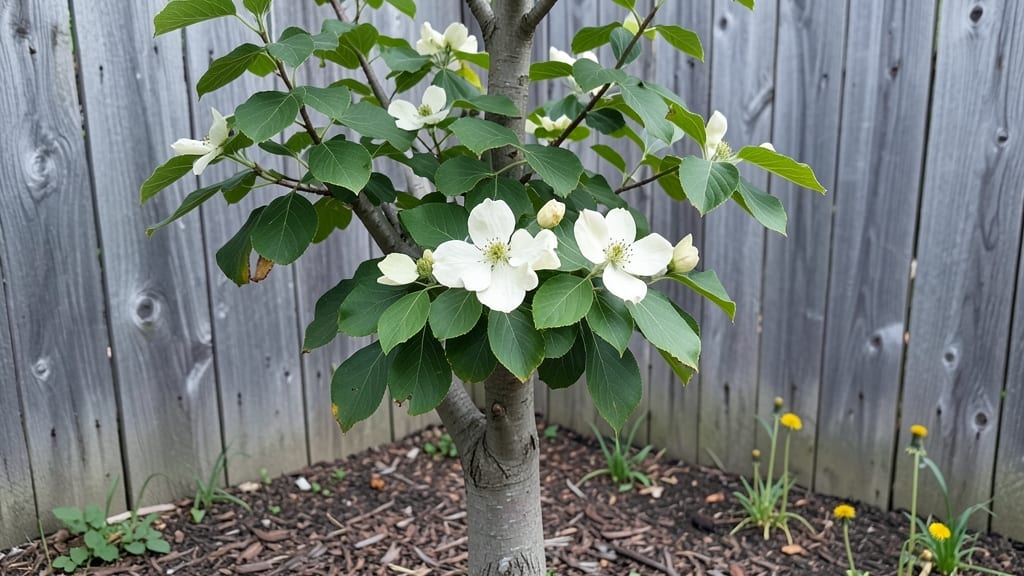
Growing a small flowering dogwood tree 🌸 transforms any yard into a showstopper with its delicate spring blooms and fiery fall foliage—but only if you nail the basics.
Picture this: You’ve planted yours in the perfect spot, only to watch it struggle through summer with wilted leaves or fail to bloom the next spring. Most gardeners miss the two key factors that make the difference between a thriving tree and a sad investment.
This guide cuts through the guesswork with step-by-step planting tips, seasonal care secrets, and troubleshooting tricks to keep your dogwood looking its best year-round—no green thumb required.
From soil prep to pruning hacks, I’ll show you exactly how to give your tree the ideal conditions it craves, so you can enjoy those iconic blooms for decades.
How to plant and establish a small flowering dogwood tree for maximum blooms
A small flowering dogwood tree (Cornus florida) is a showstopper in any landscape, but its success starts with proper planting. The key to vibrant blooms lies in mimicking its natural woodland habitat—acidic soil, partial shade, and gentle care during its first critical year.
I’ve planted dozens of these trees, and I’ve learned that rushing the process or ignoring soil prep can lead to weak roots and sparse flowers. Let’s get your dogwood off to the right start.
Timing is everything when planting a flowering dogwood. The best windows are early spring (March-April) or fall (September-October), when temperatures are mild and the tree can establish roots before extreme heat or cold. Avoid planting in summer heat or winter frost, as both stress young roots.
If you’re in USDA Zone 6a or higher, aim for those shoulder seasons to give your tree the best chance at thriving.
Before you dig, test your soil pH—dogwoods thrive in acidic soil with a pH between 5.0 and 6.0. If your soil is alkaline, amend it with peat moss or sulfur a few weeks before planting.
Poor drainage is another common issue; ensure the site has well-draining soil to prevent root rot. If your yard holds water, consider planting on a slight mound or amending with compost and sand.
Step-by-Step Planting Guide for Small Flowering Dogwood
- 1 Dig the planting hole: Make it twice as wide as the root ball but only as deep. Loosen the sides of the hole to encourage root spread.
- 2 Amend the soil: Mix the native soil with compost and a handful of sulfur (for acidity) in the hole. Avoid heavy amendments like peat moss directly in the hole—it can compact.
- 3 Position the tree: Place the root ball so the top is level with the ground. Avoid burying the trunk too deeply, as this can cause girdling roots and poor air circulation.
- 4 Backfill carefully: Fill the hole with the amended soil, tamping gently to remove air pockets. Water lightly as you go to settle the soil.
- 5 Water deeply: Give the tree a 5-gallon soak to encourage roots to spread into the surrounding soil. Mulch with 2-3 inches of wood chips, keeping mulch 6 inches away from the trunk.
- 6 Stake if needed: Only stake if your tree is top-heavy or in a windy location. Use soft ties to avoid damaging the trunk as it grows.
Spacing is critical for a small flowering dogwood. Plant it 15-20 feet away from other trees or structures to allow for its mature spread. If you’re planting multiple dogwoods, space them 10-15 feet apart for a natural, woodland effect.
Crowding can lead to competition for nutrients and reduced blooms, so give your tree room to thrive.
After planting, focus on watering consistency. Newly planted dogwoods need deep watering every 3-5 days during the first year to encourage deep root growth. Avoid shallow watering, which promotes weak, surface roots.
In established trees (year 2+), reduce watering to once a week unless your area experiences extreme drought. Always water in the morning to prevent fungal diseases.
Mulching is a game-changer for young dogwoods. Apply a 2-3 inch layer of mulch around the base, but never pile it against the trunk. This helps retain moisture, regulate soil temperature, and suppress weeds.
Replenish mulch annually in early spring to maintain its protective benefits. Just remember: mulch breaks down over time, so it’s not a "set and forget" task!
Pruning in the first year should be minimal. Remove only dead, damaged, or crossing branches to encourage a strong structure. Avoid heavy pruning, as it can stress the tree and reduce next year’s spring blooms.
If you notice suckers or water sprouts (shoots growing from the base or trunk), prune them back to the ground. This redirects energy to the main trunk and branches.
Finally, monitor your dogwood for signs of stress, like yellowing leaves or wilting foliage. These can signal overwatering, underwatering, or poor soil conditions. Adjust your care routine accordingly—dogwoods are resilient, but they do need your attention in their early years.
With the right start, your small flowering dogwood will reward you with show-stopping blooms for decades.
Year-round care schedule: watering, fertilizing, and pruning for healthy growth
A small flowering dogwood tree thrives with consistent care, and your seasonal routine directly impacts its vibrant blooms and lush foliage. Unlike fussy plants, dogwoods reward attention with four-season interest, but they need the right balance of watering, fertilizing, and pruning at the right times.
Let’s break down the essential tasks for each season to keep your tree looking its best year after year.
Spring is the most critical season for your dogwood, as it kickstarts growth after dormancy. Focus on early spring feeding with a balanced fertilizer (10-10-10) to fuel bloom production.
Pair this with deep watering every 7-10 days to encourage strong root development. Avoid heavy pruning now—save it for after blooming to preserve next year’s flowers.
| Season | Care Task | Frequency | Key Tips |
|---|---|---|---|
| Spring | Fertilizing | Every 4-6 weeks | Use 10-10-10 balanced fertilizer; apply when buds swell. |
| Spring | Watering | Deep soak weekly | Water at soil level, not leaves, to prevent fungal issues. |
| Summer | Watering | Every 3-5 days | Morning watering reduces evaporation; mulch retains moisture. |
| Fall | Mulching | Once after leaves drop | Apply 3-inch layer of mulch; keep away from trunk. |
| Winter | Pruning | Late winter (dormant) | Remove dead/diseased branches; shape lightly for airflow. |
Summer demands consistent moisture, especially during heatwaves. Your dogwood’s roots run deep, but surface soil dries quickly. Water deeply every 3-5 days in the early morning to prevent fungal diseases.
A 3-inch layer of mulch around the base helps retain moisture and keeps roots cool. Avoid overhead sprinklers—they can promote powdery mildew on leaves.
Fall is all about preparing for winter. Once leaves start changing color, apply a 3-inch layer of organic mulch to insulate roots and protect against temperature fluctuations. Skip fertilizing now—your tree needs to enter dormancy.
Light pruning can be done to remove any dead or crossing branches, but avoid heavy cuts that stress the tree before winter.
Winter care is minimal, but don’t ignore your dogwood entirely. If you experience freezing temperatures below 10°F, consider wrapping the trunk with burlap to prevent sunscald when winter sun hits.
Prune late winter (just before buds swell) to shape the tree and remove any damaged branches from ice or wind. This is also the best time to thin out dense areas for better airflow.
By following this year-round schedule, your small flowering dogwood tree will reward you with show-stopping blooms, healthy foliage, and long-term vitality. The key is consistency—stick to the routine, and your tree will thrive for decades. Happy gardening! 🌸