
Flowers
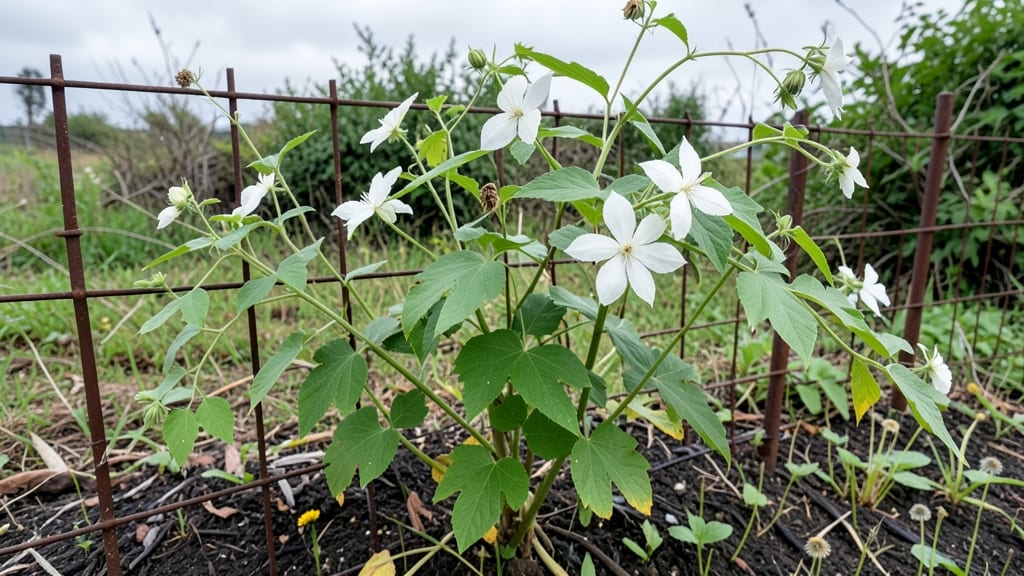
Small white-flowered clematis 🌸 brings airy elegance to gardens without the fuss of towering vines or demanding care.
If you love the delicate beauty of clematis but struggle with large, high-maintenance varieties, these compact bloomers are your game-changer. They thrive in USDA Zone 6a, climb gracefully on trellises, and reward you with months of effortless blooms—perfect for borders, containers, or even a small balcony.
What sets them apart? Their low-maintenance nature means no aggressive pruning or constant watering. Varieties like 'Armandii' and 'Montana' produce fragrant white flowers that attract pollinators while staying well-behaved in size. Below, I’ll share the best varieties, planting tips, and secrets to keep them flourishing year after year.
Ready to transform your garden with minimal effort? Here’s everything you need to grow these charming climbers like a pro.
Top 5 small white flowered clematis varieties for easy-care gardens
If you're dreaming of a garden filled with elegant white clematis blooms but want to avoid the fuss of large, sprawling varieties, you're in luck! These compact, low-maintenance clematis varieties thrive in small spaces while delivering stunning floral displays.
Their delicate white flowers add a timeless charm to borders, trellises, and containers with minimal effort. Let’s explore the top 5 small white clematis varieties perfect for your garden.
One of the most popular choices is Clematis montana, a vigorous yet manageable climber known for its fragrant white blooms that appear early in the season. Another standout is Clematis 'Jackmanii' hybrids, like 'Jackmanii Alba,' which offer large, snow-white flowers on a more controlled vine.
These varieties are ideal for gardeners who want low-maintenance beauty without sacrificing impact.
Below, I’ve compared the best small white clematis varieties based on size, blooming season, sunlight needs, and care requirements. This comparison will help you choose the perfect fit for your garden’s layout and climate.
For gardeners with limited space, Clematis 'Mayleen' is a fantastic choice. This variety stays compact at 6-8 feet and thrives in partial shade, making it perfect for shaded borders or containers.
Its early summer blooms provide a burst of white color without overwhelming your space. If you love the look of romantic, climbing vines, this clematis delivers with minimal upkeep.
If you prefer a later blooming season, Clematis 'Wisley Cream' is ideal. This variety produces creamy white flowers from summer to early fall, offering long-lasting beauty. It’s slightly more sun-tolerant than 'Mayleen,' making it a versatile pick for sunny or partially shaded areas.
Pair it with lavender or roses for a classic cottage garden look.
For those who love fragrant flowers, Clematis montana 'Alba' is a must-have. Its highly aromatic blooms appear in early spring, filling your garden with a sweet scent.
This variety is fast-growing but can be easily controlled with pruning. It’s perfect for trellises or walls where you want to create a scented
How to grow and maintain small white flowered clematis for long-lasting blooms
Small white-flowered clematis varieties like Clematis montana and Clematis 'Jackmanii Alba' bring ethereal charm to gardens with minimal fuss. Their compact growth and fragrant blooms make them perfect for small spaces, but proper care ensures they thrive.
The key lies in understanding their soil needs, pruning schedule, and seasonal adjustments to keep them blooming from early spring through summer.
Unlike their larger counterparts, these low-maintenance climbers reward gardeners with long-lasting flowers when given the right conditions. I’ve learned that well-draining soil, consistent moisture, and strategic pruning are non-negotiable for their success.
Let’s break down the essential steps to cultivate these beauties with confidence, avoiding common pitfalls that can stunt their growth or reduce flowering.
Step-by-Step Guide to Growing Small White Flowered Clematis
- Step 1: Choose the Right Location – Plant in full sun to partial shade (6+ hours of sunlight). Avoid harsh afternoon sun in hot climates to prevent leaf scorch.
- Step 2: Prepare Well-Draining Soil – Amend heavy soil with compost or sand to prevent root rot. Aim for a pH of 6.5-7.5 for optimal nutrient uptake.
- Step 3: Plant with Support – Install a trellis, arbor, or obelisk at planting time. Bury the support 2-3 inches deep to anchor the vine as it grows.
- Step 4: Water Deeply and Consistently – Keep soil evenly moist but not soggy. Water at the base of the plant in the morning to reduce fungal risks.
-
Step 5: Prune Based on Group –
- Group 1 (Early Bloomers): Prune after flowering to remove dead wood.
- Group 2 (Late Bloomers): Prune in early spring to shape and encourage new growth.
- Step 6: Fertilize Strategically – Use a balanced fertilizer (5-10-10) in early spring and summer. Avoid fertilizing in fall or winter.
- Step 7: Protect in Winter – Mulch the base of the plant with 3-4 inches of mulch and wrap young plants in burlap in colder zones (below Zone 6).
One of the most critical mistakes I see is over-pruning or pruning at the wrong time. For example, pruning Group 1 clematis (like Clematis montana) in early spring removes next year’s blooms.
Always wait until after flowering to prune these varieties. Another common issue is poor drainage, which leads to root rot—especially in clay-heavy soils.
To extend the blooming season, I recommend deadheading spent flowers regularly. This encourages the plant to produce more blooms and keeps the foliage looking tidy. Pair this with a light mulch in late summer to retain moisture and regulate soil temperature.
In containers, ensure the pot has drainage holes and use a well-aerated potting mix to prevent waterlogging.
With these steps, your small white clematis will reward you with lush, fragrant blooms for years to come—adding a touch of elegance to trellises, arbors, or even hanging baskets. The secret is consistency: prune wisely, water deeply, and protect in winter for effortless beauty. 🌿