
Trees
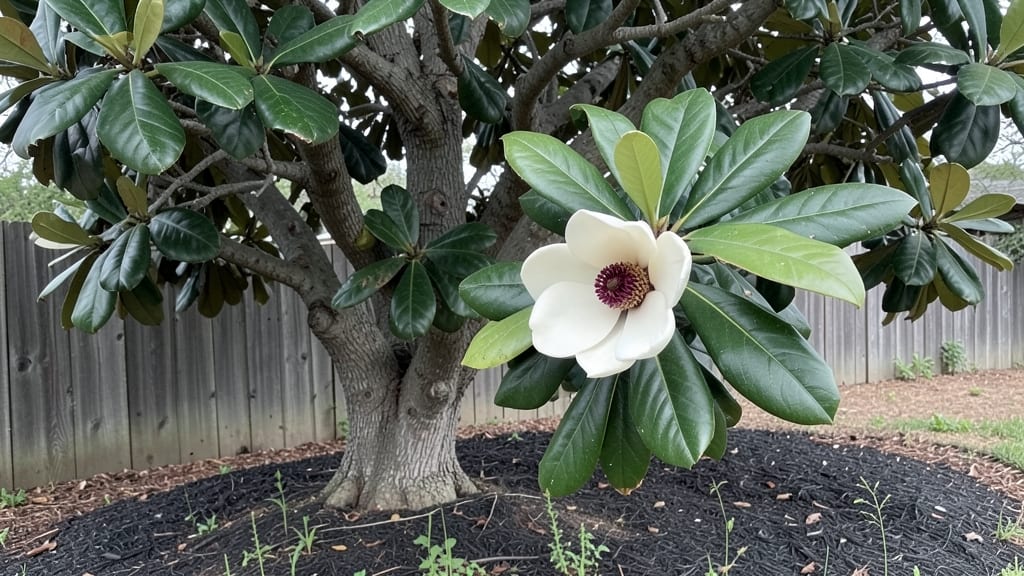
A Southern magnolia flowering tree 🌳 transforms any yard into a fragrant, evergreen statement piece—but only if you nail its care from day one.
Picture this: football-sized white blooms perfuming the air in spring, glossy leaves that stay vibrant through winter, and a tree that grows to tower over your home.
Yet, too many gardeners watch theirs struggle with sparse blooms or yellowing leaves, all because they missed the three key steps that make the difference between a magnificent magnolia and a sad one.
This guide cuts through the guesswork, showing you exactly how to plant, water, and prune your Southern magnolia for maximum blooms and year-round beauty, no matter where you live in Zones 7-10.
We’ll cover soil secrets, sunlight tricks, and the pruning schedule that keeps it thriving—so you can finally enjoy that dreamy, fragrant landscape you’ve been imagining.
Ready to grow a Southern magnolia that steals the show? Let’s get started with the foundation every expert gardener swears by.
Southern magnolia flowering tree: ideal growing conditions for maximum blooms
The Southern magnolia thrives when planted in the right conditions, where it can reward you with showstopping blooms and lush foliage. This evergreen giant loves warm climates but needs specific care to flourish.
Understanding its sunlight, soil, and water needs is key to unlocking its full potential. Whether you're in USDA Zone 7 or Zone 10, these conditions will help your magnolia shine.
From acidic, well-draining soil to morning sunlight, every detail matters. Let's break down the essentials so your Southern magnolia can grow strong, bloom beautifully, and become the centerpiece of your landscape.
With the right approach, even young trees will establish quickly and reward you with fragrant, creamy-white flowers by their third year.
For maximum blooms, prioritize full sun exposure—at least 6 hours daily. In hotter zones (9-10), afternoon shade helps prevent leaf burn while maintaining vibrant foliage.
I’ve seen magnolias in Zone 9 gardens thrive with just morning sun and dappled shade in the afternoon, proving adaptability is key.
The soil pH is non-negotiable for Southern magnolias. Aim for acidic soil between 5.0 and 6.0. If your soil tests higher, amend it with pine bark fines or peat moss.
I once had a client’s magnolia struggle in alkaline soil—adding sulfur and organic matter turned it around in just one growing season.
Watering young trees is critical, especially in their first 3 years. Give them a deep soak every 7-10 days—think 15-20 gallons per watering. Mature trees are drought-tolerant but still need regular moisture during dry spells. In Zone 10’s intense heat, I’ve found mulching heavily with wood chips reduces water loss by up to 30%.
When it comes to climate adaptation, Southern magnolias handle USDA Zones 7-10 beautifully, but each zone has its quirks. In Zone 7, protect young trees from late frosts with burlap wraps.
In Zone 10, watch for root rot—ensure well-draining soil and avoid overwatering. I’ve grown magnolias in both extremes, and with the right adjustments, they flourish.
One common mistake is planting magnolias in compacted or poorly draining soil. Roots need oxygen and space to grow. Before planting, loosen the soil to a depth of 12-18 inches and mix in compost.
This simple step can double root growth in the first year, setting your tree up for success.
For optimal flowering, feed your magnolia with a balanced fertilizer (6-10-10) in early spring and again in mid-summer. Organic options like fish emulsion or compost tea work wonders. I’ve noticed trees fertilized this way produce larger blooms and darker foliage—a sure sign of happy roots.
If you’re in a cooler microclimate within Zone 7, consider planting near a south-facing wall to capture extra heat. This trick has helped many
Year-round Southern magnolia care: pruning, fertilizing, and pest prevention
The Southern magnolia thrives with consistent care throughout the year, but its glossy leaves and fragrant blooms demand attention to detail. Pruning at the right time can encourage healthier growth, while proper fertilizing ensures vibrant foliage.
Don't overlook pest prevention, as scale insects and magnolia leaf gall can silently damage your tree if left unchecked.
Timing is everything when it comes to Southern magnolia care. Early spring is ideal for pruning to remove dead branches and shape your tree before new growth begins. This is also when you should apply balanced organic fertilizer to support the tree's energy demands during the growing season.
Summer care focuses on monitoring for pests and ensuring adequate deep watering during dry spells.
Pros and Cons of Southern Magnolia Flowering Tree Care
✅ Pros
- Year-round beauty: Glossy leaves and fragrant blooms
- Low maintenance: Drought-tolerant once established
- Pest-resistant: Healthy trees naturally deter pests
- Versatile landscaping: Works in formal or natural settings
❌ Cons
- Slow growth: Takes years to reach mature size
- Messy blooms: Dropped flowers create cleanup
- Pruning challenges: Requires careful timing and technique
- Large size: Needs ample space for root development
When pruning your Southern magnolia, focus on removing dead or crossing branches first. Use clean, sharp pruners to make cuts just outside the branch collar. Avoid heavy pruning in late summer or fall, as this can stimulate tender growth that won't harden off before winter.
For organic fertilization, I recommend a 6-10-10 NPK blend applied in early spring and again in mid-summer. Work the fertilizer into the top 2-3 inches of soil around the tree's drip line.
Watch for scale insects on the undersides of leaves, which appear as small, immobile bumps. Magnolia leaf gall, caused by a fungus, creates raised, warty growths on leaves. Remove heavily infested leaves and apply neem oil or horticultural oil in early spring before pests become active.
For established trees, mulch with 3-4 inches of organic mulch to retain moisture and suppress weeds while protecting roots from temperature fluctuations.
In winter, reduce watering to monthly light waterings unless your region experiences prolonged dry spells. This dormant period allows the tree to rest and store energy for spring growth. If you notice yellowing leaves in late winter, it may indicate nutrient deficiencies—apply a light organic fertilizer at that time.
Remember, the key to Southern magnolia care is consistency: regular pruning, proper fertilization, and vigilant pest monitoring will keep your tree thriving for decades.
For young trees, consider installing a drip irrigation system to ensure consistent moisture. Mature Southern magnolias can handle drier conditions, but their roots need 6-12 inches of soil depth to remain healthy.
If your tree shows signs of stress like leaf drop or stunted growth, check for root rot by examining the soil around the base. Well-draining soil is critical for preventing this common issue.