
Shrubs
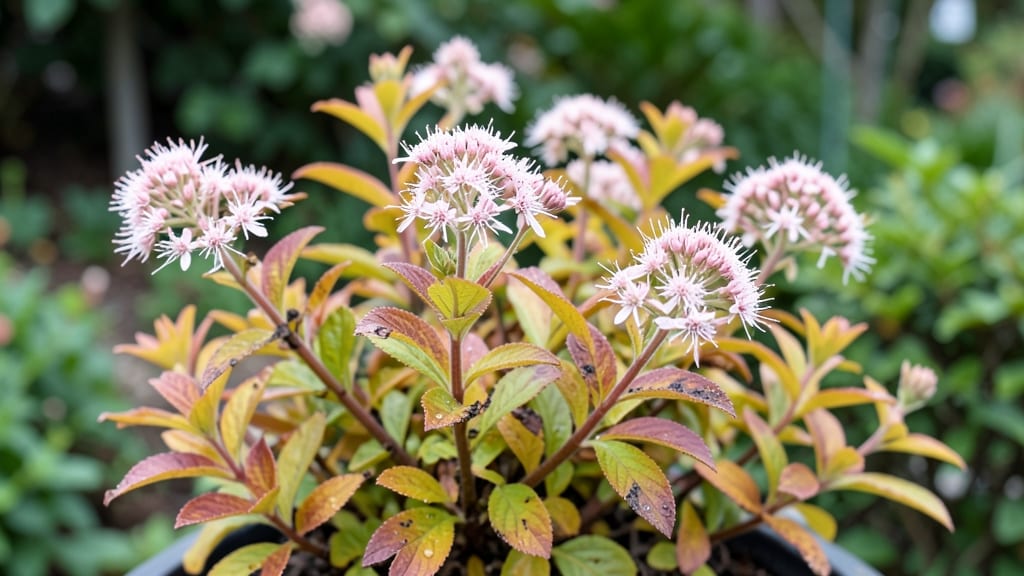
Growing spirea cut flowers 🌸 transforms your garden into a year-round supply of effortless, long-lasting blooms that outshine pricier florist picks.
If you love vibrant, low-maintenance cut flowers that bring bold color to arrangements without the fuss of high-maintenance blooms, spirea could be your secret weapon in the garden—and the florist’s toolkit.
Unlike delicate roses or finicky peonies, spirea thrives in zone 6a with minimal care, offering weeks of fresh blooms from a single harvest. Its papery petals and sturdy stems hold up beautifully in vases, making it perfect for everything from rustic wreaths to elegant centerpieces.
Below, I’ll show you exactly when to plant and prune for maximum blooms, how to harvest at peak freshness, and creative ways to mix spirea with other flowers for show-stopping arrangements that last.
Why spirea cut flowers are perfect for long-lasting floral arrangements
If you've ever struggled with cut flowers that wilt too quickly or require constant care, spirea might just change your game. This hardy shrub isn't just a garden staple—it's a florist's dream for its durability and versatile colors.
Unlike delicate blooms that need daily attention, spirea stems stay fresh for 7–10 days in arrangements, making it ideal for busy gardeners and DIY crafters alike.
The secret lies in spirea's papery petals and woody stems, which resist wilting better than many popular cut flowers. Varieties like 'Goldflame' and 'Double Play' offer vibrant hues from pink to gold, perfect for seasonal arrangements.
Plus, their long bloom season (May–June) gives you a steady supply of fresh cuttings without the need for multiple plantings.
Trait
Why It Matters
Best For
Papery Petals
Resist wilting longer than soft petals
Bouquets, wreaths
Woody Stems
Hold water better than hollow stems
Long-lasting arrangements
Color Variety
Pink, gold, white, and mixed tones
Seasonal themes
Long Bloom Season
May–June (peak), some rebloom
Extended harvest window
Drought Tolerance
Survives dry spells with minimal care
Low-maintenance gardens
One of spirea's standout features is its ability to dry beautifully, preserving its shape and color for winter arrangements. Simply hang stems upside down in a dark, dry space for 2–3 weeks, and you’ll have everlasting blooms for holiday wreaths or dried bouquets.
This makes spirea a year-round resource, not just a seasonal one.
For florists and gardeners alike, spirea’s sturdy stems allow for creative designs without the risk of flimsy stems breaking. Try pairing it with eucalyptus for texture or roses for romance—its bold foliage adds depth to any arrangement.
Unlike roses, which require daily water changes, spirea thrives with minimal fuss, making it perfect for beginners and pros.
Another advantage is spirea’s adaptability to containers. Even if you’re working with limited space, dwarf varieties like 'Little Princess' thrive in pots, giving you portable cut flowers for balconies or patios. This flexibility means you can grow spirea almost anywhere—from urban gardens to rural landscapes—without sacrificing quality.
If you're aiming for low-maintenance cut flowers, spirea checks all the boxes. Its natural durability means fewer deadheads and longer vase life, while its vibrant colors bring instant cheer to any space.
Whether you're crafting a rustic centerpiece or a modern bouquet, spirea’s versatility ensures it fits your style.
For those who love seasonal gardening, spirea’s late spring to early summer bloom aligns perfectly with wedding season and summer gatherings. Its abundant flowers provide enough cuttings for multiple arrangements, reducing the need for expensive florist purchases.
Plus, since spirea is perennial, you’ll enjoy its benefits year after year with minimal effort.
To maximize your spirea harvest, focus on regular pruning after flowering. This encourages new growth and more blooms next season. A simple clean cut with sharp shears keeps the plant healthy and ensures a steady supply of high-quality stems for your arrangements.
In summary, spirea cut flowers are a game-changer for anyone tired of high-maintenance blooms. With their long vase life, durable stems, and versatile colors, they’re the perfect addition to any garden—or florist’s toolkit. Give them a try, and you’ll never reach for wilting roses again!
How to harvest and preserve spirea for maximum freshness in cut flower arrangements
Harvesting spirea at the right time transforms your garden into a cut flower goldmine—those delicate, papery blooms stay fresh for 7–10 days in arrangements with the right techniques. The key? Timing your harvest, handling stems gently, and storing them properly to lock in freshness.
I’ve learned through trial and error that even a 5-minute delay in post-harvest care can cut vase life in half, so let’s dive into the exact steps that work.
Spirea thrives as a cut flower because its woody stems resist bending, and its ruffled petals hold their shape longer than many other blooms.
But to maximize their potential, you need to know when to cut, how to prep the stems, and how to store them until you’re ready to arrange. Whether you’re a beginner or a seasoned florist, these methods will help you get the most out of your spirea harvest every season.
Step-by-Step Spirea Harvest & Preservation Guide
- 1 Harvest at the right stage: Cut stems when 10–30% of buds are just beginning to open. Fully open blooms signal the end of peak freshness. Use sharp pruning shears to avoid crushing stems.
- 2 Trim stems underwater: Immediately submerge stems in lukewarm water (not cold) and recut 1–2 inches off the base at a 45-degree angle. This prevents air bubbles from blocking water uptake.
- 3 Remove lower leaves: Strip 1–2 inches of foliage from the stem base to reduce bacterial growth in vase water. Leave the upper leaves intact for visual appeal in arrangements.
- 4 Store in cool, humid conditions: Place stems in a bucket of water and refrigerate at 34–38°F (1–3°C) for up to 5 days. For longer storage, wrap stems in a damp paper towel and refrigerate.
- 5 Use floral preservative: Add 1 tsp of sugar + 2 drops bleach per quart of vase water to extend life. Change water every 2–3 days and recut stems to maintain hydration.
Proper storage is where many gardeners drop the ball. I’ve seen spirea stems wilt within 48 hours when stored in warm, dry conditions, but following these steps keeps them crisp for days.
For example, storing stems in a cool basement or garage (if temps stay above freezing) works even better than a fridge for some varieties like ‘Goldflame’ spirea, which has thinner stems.
Once you’re ready to arrange, trim stems again under water and place them in a clean vase. Spirea’s arching branches add movement to arrangements, so don’t be afraid to let them sprawl naturally.
Pair with eucalyptus or dusty miller for a modern look, or mix with roses and hydrangeas for a romantic bouquet. The secret to long-lasting spirea arrangements? Consistency in care—from the moment you cut to the final display.
With these techniques, you’ll enjoy vibrant, fresh spirea blooms for weeks, even after harvest. The best part? You’ll save money by using your own garden-grown flowers instead of buying from the florist. Happy arranging! 🌸