
Blooming
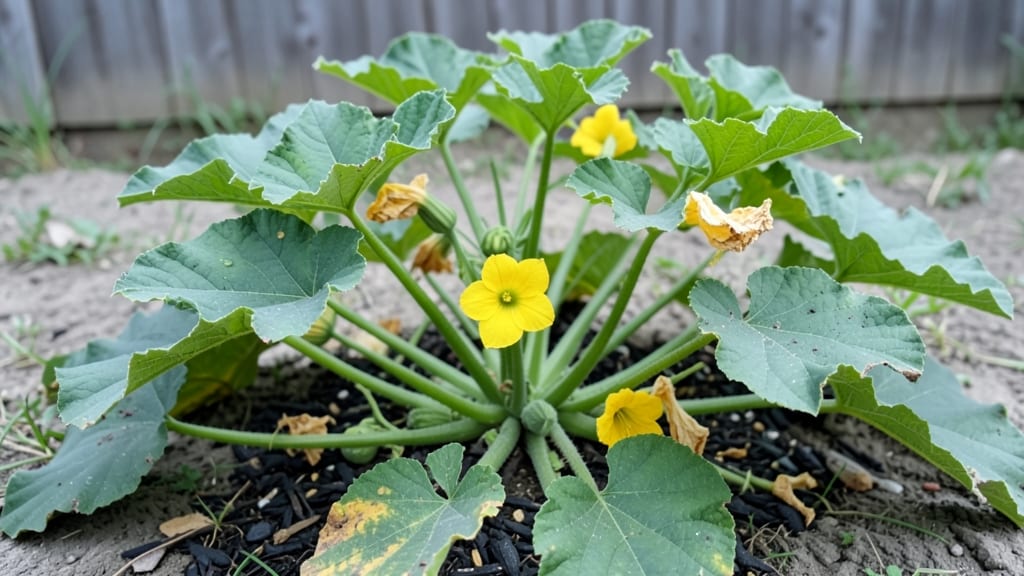
See those squash flowers falling off your vines before they even set fruit? 🌿 That heartbreaking sight happens when your plants can’t pollinate—and I’ve seen it ruin entire harvests. The good news?
This is one of the easiest problems to fix once you know the root cause, whether it's heat stress, pests, or simply a lack of pollinators in your yard.
Most gardeners assume it's a plant disease, but the real culprits are usually environmental. Too much heat (above 90°F) stops bees from visiting, while overwatering or sudden drought shocks the flowers right off the vine.
Even squash bugs and cucumber beetles will chew on buds before they can set fruit. The fix starts with checking your watering schedule and protecting those flowers from pests.
By hand-pollinating your squash in the morning hours, you'll see fruit set within 3-5 days. Use a small paintbrush or cotton swab to transfer pollen from male to female flowers—it takes just a minute per flower and transforms your vines from sad to productive.
The first zucchini or pumpkin will appear faster than you think, and you'll never ignore those little blooms again.
This method works for all summer squash varieties—zucchini, yellow squash, pattypan—no matter if you're growing in backyard gardens, containers, or raised beds. The key is consistency: check your vines daily during peak blooming, and you'll go from frustrated to harvesting in no time.
Root Causes Behind Dropping Blooms
When your squash plants start shedding flowers before they can turn into fruit, it’s usually a cry for help from the plant itself. Understanding the why behind this behavior is the first step to saving your harvest.
Below, we break down the most common reasons—backed by science—and what they mean for your squash vines.
🌡️ Temperature & Weather Stress
Squash flowers are delicate and highly sensitive to extreme temperatures. If daytime highs dip below 70°F (21°C) or nights drop below 55°F (13°C), flowers may abort before pollination. This is especially true for varieties like zucchini and summer squash, which thrive in consistent warmth.
Why it happens:
- Cold shock: Low temperatures disrupt the plant’s metabolic processes, halting flower development. Pollen production slows or stops entirely, making fertilization impossible.
- Heat stress: While squash loves sun, sudden heatwaves (above 90°F/32°C) can cause flowers to wiltingly detach as the plant conserves energy. High temps also reduce humidity, drying out pollen.
- Frost or wind: A late frost or strong gusts can physically damage flowers, causing them to drop prematurely. Wind also disperses pollen inefficiently, reducing pollination success.
💡 Pro Tip: Use row covers on chilly mornings or mulch heavily to stabilize soil temps. For heat stress, provide afternoon shade cloth (30-50% shade) during peak summer.
💧 Watering Woes: Too Much or Too Little
Squash plants have shallow roots and need consistent moisture to support flowering and fruiting. But watering mistakes—whether drought or overwatering—can trigger flower drop.
Why it happens:
| Issue | Effect on Flowers | Science Behind It |
|---|---|---|
| Underwatering | Flowers wilt, dry out, and fall off. | The plant prioritizes survival over reproduction. Without enough water, pollen grains desiccate (lose moisture) and become non-viable. Stress hormones like abscisic acid also trigger flower abortion. |
| Overwatering | Flowers drop due to root suffocation or fungal issues. | Excess water drowns roots, cutting off nutrient and oxygen supply. This leads to anaerobic stress, where the plant can’t produce enough energy (ATP) to sustain flowers. Plus, soggy soil breeds Pythium or Phytophthora, which weaken the plant. |
| Inconsistent Watering | Flowers drop sporadically. | Fluctuating moisture levels confuse the plant’s hormonal balance. Ethylene gas (a stress hormone) is released, accelerating flower senescence (aging and death). |
🎯 Fix It: Aim for 1–1.5 inches of water per week, delivered at the soil base (not leaves). Use drip irrigation or soaker hoses to keep moisture even. Mulch with straw to retain humidity.
🌱 Nutrient Imbalances: Starving or Overfed
Squash flowers are energy-hungry. If the plant lacks key nutrients—or gets too much of one—they’ll drop faster than a hotcake at a pancake breakfast.
Why it happens:
- Nitrogen excess: Too much nitrogen (from fresh manure or over-fertilizing) promotes leafy growth at the expense of flowers. The plant prioritizes foliage over reproduction.
- Phosphorus deficiency: Phosphorus is critical for flower and fruit development. Without it, flowers form but fail to set fruit, then drop. Look for purplish stems or slow growth.
- Potassium shortage: Potassium helps regulate water balance and enzyme activity in flowers. A deficiency (yellowing leaf edges) weakens pollen tubes, preventing fertilization.
- Calcium/magnesium issues: These minerals support cell wall strength. Low calcium causes blossom-end rot-like symptoms in flowers, while magnesium deficiency (yellowing between veins) stunts growth.
💡 Quick Test: Grab a handful of soil—if it smells rotten or is crusty, you’ve got a nutrient or watering issue. Send a soil sample to your local extension office for a pH and NPK test.
🐝 Pollination Problems: Nature’s Missing Link
Even healthy flowers need a pollinator (like bees or wind) to transfer pollen. Without it, flowers drop like uninvited guests at a party.
Why it happens:
- Lack of pollinators: Pesticides, early/late planting, or urban gardens without bees can leave flowers unpollinated. Squash relies on insects for 90% of pollination.
- Poor pollen quality: Stress (from heat, drought, or disease) produces weak or non-viable pollen. Even if bees visit, fertilization fails.
- Wind dependency: Some squash varieties (like pumpkins) rely on wind. If your garden is too sheltered, pollen doesn’t travel efficiently.
🔥 DIY Pollination: If bees are scarce, hand-pollinate with a paintbrush or cotton swab. Gently transfer pollen from male (long-stemmed) to female (tiny fruit at base) flowers in the morning when pollen is fresh.
🦠 Disease & Pest Pressure
Hidden invaders can sabotage your squash before you even notice. Fungal infections, viruses, and pests drain energy from the plant, causing it to shed flowers as a last resort.
Why it happens:
- Powdery mildew: This fungal disease coats leaves in white powder, blocking sunlight and reducing photosynthesis. The plant starves flowers of energy, leading to drop.
- Cucumber beetles: These striped pests transmit bacterial wilt and chew flowers, preventing pollination. They also lay eggs that hatch into squash vine borers.
- Squash bugs: Their feeding damages phloem tissue, disrupting nutrient flow to developing flowers. Infestations cause yellowing and wilting.
- Viruses (e.g., mosaic virus): Spread by aphids, these viruses distort flowers and stunt growth, making pollination impossible.
🌡️ Prevention: Rotate crops annually, use neem oil or kaolin clay as barriers, and remove infected leaves immediately. Healthy soil = stronger plants that resist pests.
Revive Your Squash Blooms Now
If your squash flowers are dropping faster than you can say "summer harvest," don’t panic! With the right fixes, you can coax your vines back to life and keep those blooms—and future fruits—on track.
Below, we’ve mapped out practical solutions for each common cause, plus prevention tips to keep your squash plants thriving. Let’s get your garden back in bloom! 🌱💥
🔥 Fix Overwatering or Poor Drainage
If your soil is soggy or waterlogged, roots suffocate, and flowers drop like rain. Here’s how to turn things around:
- 🔥 Step 1: Check the Soil Stick your finger 1–2 inches into the soil. If it’s damp, wait to water. If it’s bone-dry, you’ve been underwatering (yes, it happens!). Aim for soil that’s moist but not soggy—like a wrung-out sponge.
- 👨🍳 Step 2: Improve Drainage Amend heavy clay soil with compost or perlite (1 part organic matter to 3 parts soil). For containers, ensure pots have drainage holes and use a mix of potting soil and coconut coir.
- 💧 Step 3: Water Smartly Water deeply once or twice a week (depending on heat) at the base of the plant, avoiding leaves. Use a drip irrigation system or soaker hose to keep moisture consistent.
- ✨ Pro Tip: Mulch with straw or shredded leaves to retain moisture and prevent soil compaction.
🍳 Fix Pollination Problems
Bees and wind aren’t always up for the job—especially in hot or rainy weather. Try these hands-on (or tech-savvy) fixes:
- 🐝 Step 1: Hand-Pollinate Use a paintbrush or cotton swab to gently transfer pollen from male (long-stemmed) flowers to female (tiny squash at the base) flowers. Do this early in the morning when blooms are fresh.
- 🌬️ Step 2: Attract Pollinators Plant bee-friendly flowers nearby (like marigolds, borage, or nasturtiums). Avoid pesticides, and set out a shallow dish of water with pebbles for thirsty bees.
- 🔄 Step 3: Shake the Vines Give the plant a gentle shake in the morning to dislodge pollen. Works best for bush varieties like zucchini.
- 💡 Pro Tip: If you’re growing indoors or in a greenhouse, consider a small fan on low to mimic wind pollination.
🥘 Fix Nutrient Deficiencies
Yellowing leaves or weak stems? Your squash might be hungry. Boost its diet with these easy fixes:
| Symptom | Likely Deficiency | Fix It Now |
|---|---|---|
| Yellow leaves (especially older ones) | Nitrogen | Feed with compost tea or fish emulsion (diluted per package). Avoid synthetic fertilizers—they can burn roots. |
| Purple or red stems/leaves | Phosphorus | Use a bone meal or rock phosphate fertilizer. Work it into the soil at planting time. |
| Weak stems, slow growth | Potassium | Add wood ash or greensand to the soil. For a quick fix, use a balanced fertilizer (like 10-10-10). |
✨ Pro Tip: For organic growers, crushed eggshells (for calcium) or banana peels (for potassium) can be buried near roots as a slow-release boost.
🔪 Fix Pest or Disease Stress
Pests like squash bugs or diseases like powdery mildew sap energy from your plant, causing flowers to drop. Act fast with these remedies:
- 🐜 Step 1: Inspect Daily Check the undersides of leaves and stems for eggs, chewed leaves, or white powdery spots. Early detection = easier fixes.
- 🌡️ Step 2: Treat Naturally
- For squash bugs/vines: Spray with neem oil or insecticidal soap (mix 1 tbsp per quart of water + a drop of dish soap). Repeat every 5–7 days.
- For powdery mildew: Apply baking soda spray (1 tsp baking soda + 1 quart water + a drop of soap). Spray both sides of leaves in the morning.
- For aphids: Blast them off with a strong stream of water or introduce ladybugs (available at garden centers).
- 🚫 Step 3: Prevent Future Outbreaks
- Rotate crops yearly—don’t plant squash in the same spot.
- Remove and destroy (don’t compost!) infected leaves or pests.
- Space plants 3–4 feet apart for airflow (powdery mildew hates circulation!).
- 🎯 Pro Tip: Diatomaceous earth (food-grade) is a great barrier against crawling pests—sprinkle lightly around the base of plants.
⏰ Fix Environmental Stress
Too much heat, cold snaps, or transplant shock can send flowers packing. Adjust these factors to keep your squash happy:
- 🌡️ Step 1: Shield from Extreme Heat If temps hit 90°F+ (32°C+), provide shade cloth (30–50%) or plant in a spot with afternoon shade. Mulch heavily to keep roots cool.
- ❄️ Step 2: Protect from Cold If frost is forecast, cover plants with row fabric or a cloche at night. Squash thrives in 70–85°F (21–29°C)—anything outside that range stresses them.
- 🌱 Step 3: Avoid Transplant Shock If you’re moving seedlings, harden them off first (acclimate to outdoor conditions for 7–10 days). Water thoroughly before and after transplanting.
- 💡 Pro Tip: Black plastic mulch warms soil faster in spring, giving squash a head start in cooler climates.
With these fixes, your squash vines should perk up in 7–14 days. Keep an eye on them, adjust as needed, and soon you’ll be swapping stories about your bountiful harvest instead of dropping blooms! 🎉🍉
Frequently asked questions
Why are my squash flowers falling off before setting fruit?
This usually happens due to stress from environmental factors like extreme temperatures (below 70°F or above 90°F), inconsistent watering, or lack of pollinators. The plant may also be struggling with nutrient deficiencies or pest pressure. Check soil moisture, weather conditions, and inspect for pests like squash bugs or signs of disease.
How can I tell if my squash flowers are male or female?
Female squash flowers have a tiny squash forming at the base of the flower stalk, while male flowers have a long, thin stem. This distinction is key for hand-pollination—focus on transferring pollen from male to female flowers in the morning when blooms are freshest.
Is hand-pollination really necessary if bees are around?
Even with bees, hand-pollination can boost success rates, especially in hot weather when bees avoid flowers. Use a paintbrush or cotton swab to gently transfer pollen from male to female flowers. This method works well in urban gardens or areas with fewer pollinators.
What should I do if my squash plants are overwatered?
Stop watering immediately and let the soil dry out slightly. Improve drainage by adding compost or perlite to heavy soil and use a drip irrigation system to keep moisture consistent. Mulching with straw helps retain moisture while preventing soil compaction.
Can I save my squash harvest if flowers are already dropping?
Yes! Focus on hand-pollinating remaining flowers and address any underlying issues like watering, pests, or nutrient deficiencies. With consistent care, new flowers should appear within 7–14 days, giving you a chance at a harvest.