
Trees
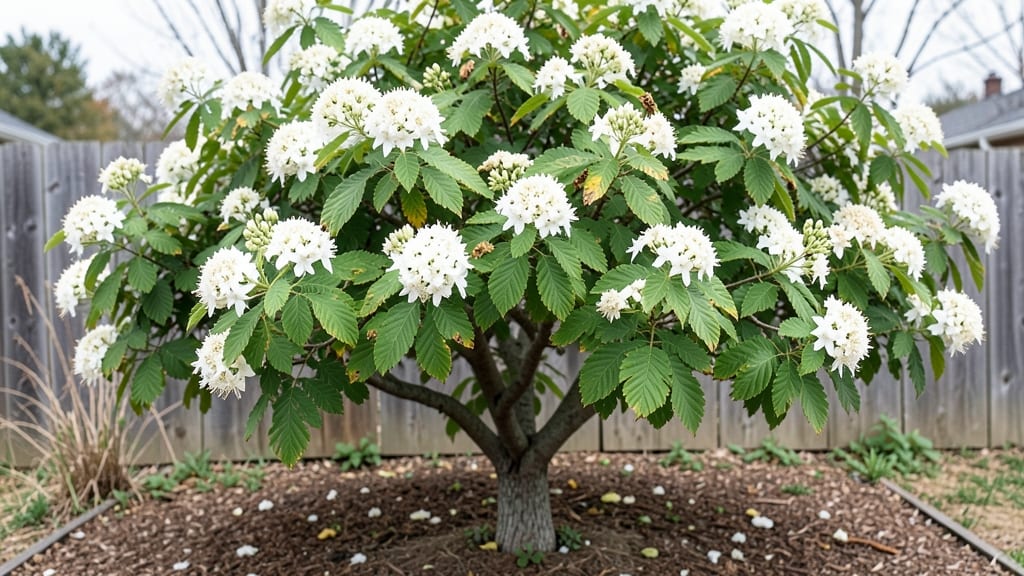
Star-shaped flower trees bring dramatic color to your yard with their fast-growing beauty and unique blooms.
Imagine a tree that bursts with star-shaped blooms 🌸, transforming your landscape into a dazzling floral display—fast! These unique trees aren’t just eye-catching; they’re some of the quickest growers for dramatic, low-maintenance beauty.
If you’re looking for a bold addition to your garden, these trees thrive in USDA Zone 6a and beyond, offering year-round interest with minimal fuss. Planting in April or May sets them up for rapid growth, and their star-shaped flowers create a showstopping focal point.
In this guide, I’ll walk you through the top varieties, ideal care tips, and how to keep them thriving for decades of stunning blooms.
5 Fastest-growing star-shaped flower trees for instant impact
If you're dreaming of a dramatic landscape transformation with minimal wait time, star-shaped flower trees are your answer. These fast-growing beauties deliver vibrant blooms in record time, often reaching mature heights within just a few years.
Whether you're filling a bare spot or creating a showstopping focal point, these trees offer both speed and spectacle—perfect for impatient gardeners! 🌸
Star-shaped blooms aren’t just pretty; they’re a sign of rapid growth. Many of these trees grow 3-6 feet per year under ideal conditions, making them ideal for instant curb appeal.
From drought-tolerant varieties to shade-loving options, there’s a star-shaped tree suited for nearly every climate and garden style. Let’s dive into the top 5 fastest-growing varieties that will turn heads—and fill your landscape—quickly! 🌿
📊 Comparison Table: Fastest-Growing Star-Shaped Flower Trees
| Variety | Growth Rate (Annual) | Mature Height | Star Bloom Color | Best Climate Zones | Special Features |
|---|---|---|---|---|---|
| Cercis canadensis ‘Forest Pansy’ | 3-5 ft | 20-25 ft | Magenta-pink | USDA 4-9 | Spring blooms, heart-shaped leaves |
| Koelreuteria paniculata (Golden Rain Tree) | 4-6 ft | 25-40 ft | Yellow | USDA 5-8 | Drought-resistant, papery seed pods |
| Cladrastis kentukea (Yellowwood) | 2-4 ft | 20-30 ft | White | USDA 4-8 | Fragrant blooms, golden fall foliage |
| Magnolia stellata (Star Magnolia) | 1-2 ft | 10-15 ft | Pink/white | USDA 4-8 | Early spring bloomer, compact size |
| Prunus serrulata ‘Kanzan’ (Star Flowering Cherry) | 2-3 ft | 20-25 ft | Deep pink | USDA 5-8 | Dense canopy, long bloom season |
Each of these star-shaped flower trees brings something unique to your garden. The Koelreuteria paniculata (Golden Rain Tree) is a drought-resistant powerhouse, perfect for arid climates, while the Magnolia stellata offers early spring blooms in a compact package.
If you love fragrant flowers, the Cladrastis kentukea (Yellowwood) is a must—its sweet scent will draw pollinators and admirers alike. 🌷
For bold color contrasts, the Prunus serrulata ‘Kanzan’ delivers deep pink star-shaped blooms that stand out against dark green foliage. This variety is also low-maintenance, making it ideal for busy gardeners who still want high-impact results.
Plant it near a patio or walkway to enjoy its season-long show from every angle. ✂️
When choosing your star-shaped flower tree, consider your garden’s sunlight conditions. Most of these varieties thrive in full sun (6+ hours daily), but some, like the Magnolia stellata, can tolerate partial shade. If your yard is shadier
How to plant and care for star-shaped flower trees for maximum blooms
Your star-shaped flower tree can become the showstopper of your landscape with the right care. These stunning trees thrive when planted in the perfect conditions, and a little attention to their needs will reward you with vibrant blooms year after year.
Whether you’re working with a Magnolia stellata or Koelreuteria paniculata, the key to success lies in understanding their unique requirements.
From soil preparation to pruning techniques, each step plays a crucial role in ensuring your tree grows strong and produces those breathtaking star-shaped flowers. Let’s dive into the essential steps to transform your garden into a floral masterpiece.
Step-by-Step Guide to Planting and Caring for Star-Shaped Flower Trees
-
Step 1: Choose the Right Location
Select a spot with full sun exposure (6+ hours daily) and well-draining soil. Star-shaped trees like Magnolia stellata thrive in USDA Zones 4-8, so ensure your climate matches their hardiness.
-
Step 2: Prepare the Soil
Test your soil’s pH (ideal range: 5.5-7.0). Amend with compost or aged manure to improve drainage and fertility. For heavy clay soil, mix in sand or perlite to prevent root rot.
-
Step 3: Plant at the Right Time
Plant bare-root trees in early spring (after last frost) or container-grown trees in fall or spring. Dig a hole twice as wide as the root ball but no deeper to avoid burying the trunk.
-
Step 4: Water Deeply and Consistently
Water deeply once a week for the first year to encourage deep root growth. Young trees need 2000ml of water per session, applied at the base. Avoid wetting the foliage to prevent fungal diseases.
-
Step 5: Apply Balanced Fertilizer
Use a 10-10-10 NPK fertilizer in early spring and summer. Apply 1 cup per 10 sqft around the tree’s drip line. Avoid fertilizing in fall or winter to prevent winter damage.
-
Step 6: Prune for Shape and Health
Prune after flowering (late spring or early summer) to shape the tree and remove dead branches. Use sterilized pruning shears to make clean cuts at a 45-degree angle. Avoid heavy pruning in fall.
-
Step 7: Mulch and Monitor Seasonally
Apply 2-3 inches of mulch (wood chips or bark) around the base to retain moisture and suppress weeds. In winter, wrap young trees with burlap if your zone drops below Zone 5.
With these steps, your star-shaped flower tree will grow into a stunning focal point in your garden. Remember, consistency is key—whether it’s watering deeply, pruning regularly, or monitoring for pests, your efforts will pay off in vibrant blooms and lush foliage.
For extra drama, pair your star-shaped tree with complementary perennials like hostas or daylilies. This not only enhances the visual appeal but also supports a healthy ecosystem in your garden. Happy planting! 🌸