
Advice
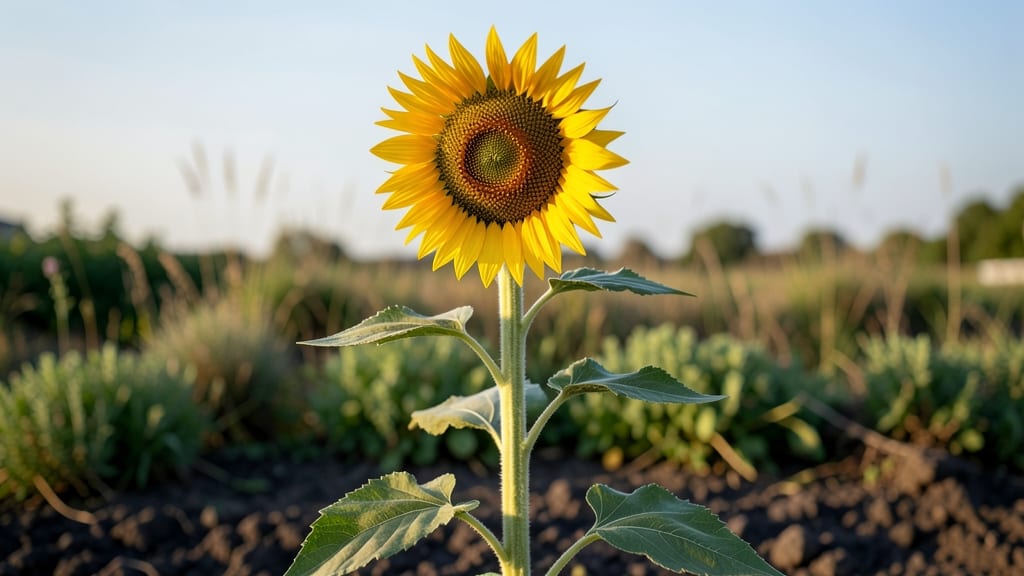
Sunflowers reach maturity in 50 to 120+ days, depending on the variety you plant—whether you’re growing a 3-foot dwarf or a 16-foot giant 🌻.
Ever stared at your sunflower seedlings wondering, "Will these ever bloom?" The truth is, some varieties mature in just 60 days, while others take nearly four months to reach harvest.
That’s why knowing your sunflower’s days to maturity is the key to timing your planting for the perfect summer display.
In this guide, we’ll break down exactly how long each type takes—from fast-blooming confectionery varieties to towering oilseed giants—and how to use those timelines to plan your planting schedule for your climate zone.
You’ll also learn how to spot delays in growth, adjust care for faster maturity, and even calculate the best planting window to avoid missed harvests. Ready to turn your sunflower patch into a showstopper?
Sunflower days to maturity by variety: fastest to slowest blooming types
Sunflowers are one of the fastest-growing plants in your garden, but their days to maturity can vary dramatically depending on the variety you choose. Whether you're growing towering giants for cut flowers or dwarf varieties for containers, knowing these timelines helps you plan for peak blooms and harvest-ready seeds.
Fastest varieties bloom in as little as 50 days, while some oilseed hybrids take 120+ days to reach maturity.
Understanding these timelines also helps you avoid common mistakes like planting too late or too early. For example, confectionery sunflowers (like 'Autumn Beauty') often mature faster than oilseed hybrids (like 'Mordovia'), making them ideal for shorter growing seasons.
Let’s break down the fastest to slowest blooming types so you can pick the perfect variety for your garden and climate zone.
If you're in a short-season climate zone (like USDA zones 3–5), prioritize fast-maturing varieties like 'Teddy Bear' or 'Autumn Beauty'. These bloom in just 55–70 days, giving you vibrant flowers even if summer is brief.
For longer growing seasons (zones 6–10), you can afford taller varieties like 'Russian Giant', which take 80–90 days to mature but reward you with stunning 12-foot stems.
For oilseed production, varieties like 'Mordovia' are the gold standard, but they require 90–100 days to reach peak oil content. If you're growing sunflowers for seeds or bird feed, aim for confectionery types like 'Autumn Beauty', which mature faster and produce larger, more flavorful seeds.
Always check the back of your seed packet for exact days to maturity—this is your best guide for timing plantings.
Pro tip: Use a gardening journal to track your sunflowers' progress. Note when you plant, when the first buds appear, and when they fully bloom. Over time, you’ll refine your planting schedule to match your local frost dates and microclimate.
For example, in Zone 7, I plant 'Russian Giant' seeds by May 1st to ensure they mature before the first frost in October.
One common mistake is assuming all sunflowers mature at the same pace. Dwarf varieties like 'Teddy Bear' can be ready to harvest in under 60 days, while tall oilseed types may need 120 days.
This difference can mean the difference between a bountiful harvest and a missed opportunity. Always factor in your last frost date when choosing varieties—subtract the days to maturity from your frost-free period to determine the latest you can plant.
For container gardening, stick to dwarf varieties like
How to calculate your sunflower planting schedule based on days to maturity
Timing your sunflower planting right ensures you enjoy those golden blooms at their peak. The key is understanding your days to maturity—the time from planting to harvest—and working backward from your first frost date.
For example, a 60-day variety planted 60 days before frost guarantees blooms before cold snaps. But what if your sunflower variety takes 90 days? You’ll need to adjust your schedule entirely.
Start by checking your USDA Plant Hardiness Zone—this tells you your last frost date, which is critical. In Zone 6a, like my garden, frost typically arrives around October 15. If I’m growing a 90-day sunflower, I’ll plant by July 15 to avoid frost damage.
For faster varieties (like 50-day dwarfs), I can plant as late as September 15 and still enjoy blooms before winter.
Here’s how to calculate your perfect planting window using a simple reverse-engineering method:
Pro tip: Use a gardening planner app like Gardenate or Farmers’ Almanac to automate these calculations. These tools let you input your zip code, sunflower variety, and desired harvest window—then generate your exact planting dates. I’ve used them to extend my harvest season by weeks!
Don’t forget to account for local microclimates. If your garden sits in a sunny spot with warmer soil, you might plant slightly later. Conversely, if it’s in a shady or cool pocket, start earlier to compensate.
Always err on the side of earlier planting—sunflowers are forgiving if you give them time to establish before summer heat arrives.
Once you’ve nailed your planting schedule, mark your calendar for harvest time. For seed production, wait until the back of the flower head turns brown and the petals dry.
For cut flowers, harvest when the buds are fully open but still vibrant. With the right timing, you’ll have sunflowers blooming from midsummer to fall—a gardener’s dream! 🌻