
Container Gardens
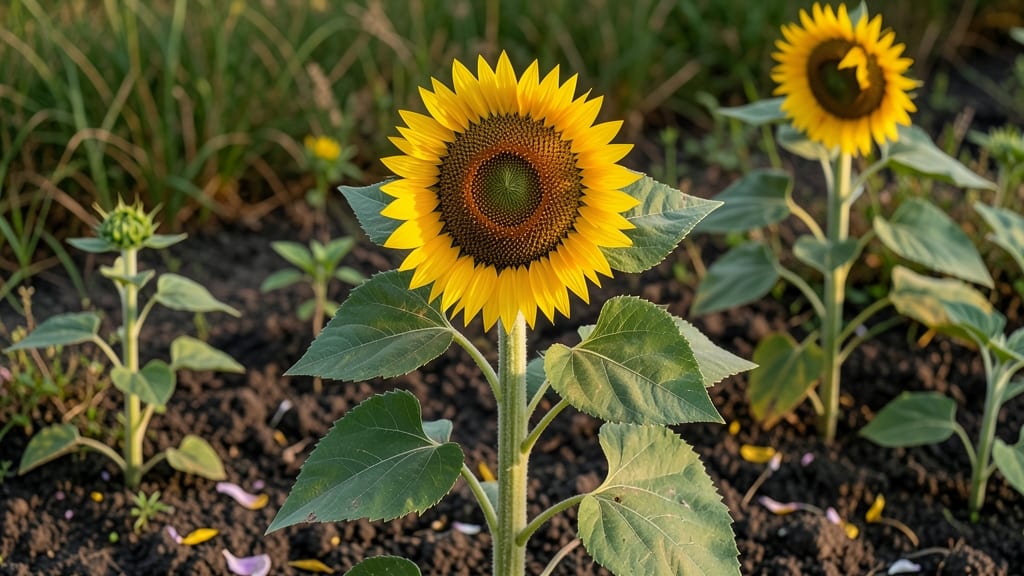
Growing sunflowers through their full season is the fastest way to turn your garden into a towering, cheerful centerpiece 🌻 — but the wrong timing can leave you with stunted plants or late blooms.
Picture this: You’ve waited all year for those giant blooms, only to watch your sunflowers struggle through a short season or bolt too early. The key to towering, healthy sunflowers lies in planting them at the perfect moment—right after your last frost and before summer heat sets in.
In USDA Zone 6a, that means getting seeds in the ground between mid-April and early May. But if you’re in a warmer zone or a cooler one, your window shifts—and so does your strategy for indoor starts versus direct sowing.
Below, I’ll break down the exact planting dates by zone, how long sunflowers take to grow, and which varieties thrive in short vs. long seasons—so you can plan for blooms that reach their full potential.
Sunflower planting dates by USDA zone: when to start seeds indoors vs. direct sowing
Timing is everything when growing sunflowers—these sun-loving giants need the right balance of warmth and daylight to thrive. Plant too early, and frost will nip tender seedlings. Too late, and your sunflowers won’t reach their full height before winter.
The key lies in your USDA zone, which dictates when to start seeds indoors or sow directly outdoors.
Sunflowers are fast growers, but they still need a long growing season—typically 80-120 days from seed to bloom. In cooler zones (like USDA Zones 1-4), starting seeds indoors gives them a head start.
Warmer zones (like Zones 8-11) can often plant directly after the last frost. Let’s break it down by zone so you can plan your sunflower planting dates like a pro.
🌱
In USDA Zones 1-4, where winters are long and frosts linger, starting sunflower seeds indoors 6-8 weeks before your last frost date is your best bet. Use grow lights or a sunny windowsill to keep seedlings strong until they’re ready to transplant.
For direct sowing, wait until the soil warms to at least 55°F—usually late May or early June.
Gardeners in Zones 5-6 have a slightly longer window. You can start seeds indoors 4-6 weeks before your last frost or sow directly once the soil reaches 60°F.
This is ideal for dwarf varieties like 'Teddy Bear' (3-4 feet tall), which mature faster and handle cooler temps better than towering types.
Warmer climates in Zones 7-8 offer flexibility. While you can still start seeds indoors, many gardeners prefer direct sowing in early April. The longer growing season lets you try giant varieties like 'Russian Giant' (12-16 feet tall), but be prepared to stake them for support.
Southern gardeners in Zones 9-10 can plant sunflowers almost year-round. For spring blooms, sow seeds in February-March when soil temps hit 65°F. In Zone 10, you can even plant in fall for winter blooms—just choose heat-tolerant varieties like 'Autumn Beauty'.
If you live in Zone 11, treat sunflowers like a tropical treat. Plant in late summer or fall to avoid scorching heat. Use shade cloth during peak summer months to protect seedlings, and opt for drought-resistant varieties like 'ProCut' (great for cut flowers).
Pro tip: Check your local frost-free date (not just last frost) for more accurate timing. Many weather websites provide this data—it’s your golden ticket to perfect sunflower planting dates.
And remember, sunflowers love warm soil, so if your early attempts fail, wait until the ground is truly toasty before sowing.
☀️
How long does it take sunflowers to grow? Seasonal timeline from seed to bloom
Sunflowers are one of the fastest-growing plants in the garden, but their timeline from seed to bloom varies dramatically depending on the variety and growing conditions.
Dwarf varieties like 'Teddy Bear' can reach maturity in as few as 50 days, while towering 'Russian Giant' sunflowers may take up to 120 days or more to produce those iconic blooms.
Understanding these milestones helps you plan your garden layout, harvest timing, and even succession planting. Whether you're growing sunflowers for cut flowers, birdseed, or simply to enjoy their cheerful faces, knowing what to expect at each stage keeps your expectations—and your garden—happy.
For fast blooms, choose early-maturing varieties like 'Autumn Beauty' (60–70 days) or 'ProCut' (55–60 days). These are perfect for short growing seasons or container gardens where space is limited. In contrast, 'Mammoth Russian' sunflowers need the full 120–140 days to reach their impressive heights of 12–14 feet.
Temperature plays a critical role in growth speed. Sunflowers thrive in warm soil (60–90°F) and can bolt if planted too early in cool climates. In USDA Zones 3–5, wait until after the last frost (typically mid-May) to direct-sow seeds.
In Zones 6–10, you can plant as early as March–April, but avoid late summer planting if your first frost arrives before seeds mature.
Pro tip: Track your sunflowers' progress with a simple garden journal. Note the day you planted seeds, when sprouts emerged, and how long it took for buds to form. This helps you adjust future plantings for optimal bloom times and even predict when to harvest seeds for next year’s garden.
With the right variety and timing, you’ll enjoy sunflowers in full bloom just in time for summer picnics—or even late fall if you choose the right cold-tolerant types.
The key is patience and planning, but the payoff of those golden faces turning toward the sun is worth every day of waiting.