
Planting
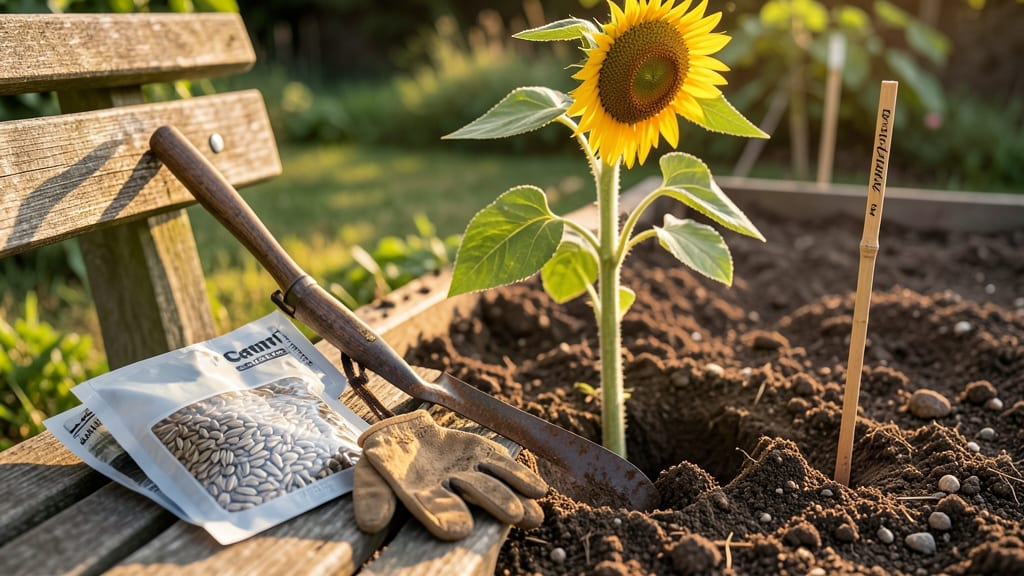
Mastering the sunflower planting season is the secret to those towering 🌻 blooms you’ve always dreamed of.
Want sunflowers that reach sky-high glory? Planting them at the perfect time—based on your USDA zone—can mean the difference between wilted stems and vibrant blooms that last all summer.
In Zone 6a, like many gardeners, the ideal window is April to May, but timing shifts dramatically in warmer or cooler climates.
Whether you’re starting seeds indoors or sowing directly into the garden, getting the timing right ensures strong roots, faster growth, and those iconic 10-foot stalks that turn heads.
Below, I’ll break down the best months for your region, soil prep tips, and how to stretch your planting season for extra blooms.
You’ll also discover how to avoid common mistakes—like planting too deep or ignoring spacing—that can stunt your sunflowers before they even begin. Let’s get those seeds in the ground the right way!
Sunflower planting season by USDA zone: exact months for maximum growth
Sunflowers thrive when planted at the right time, but the perfect window depends entirely on your USDA zone. In colder zones like Zone 3-5, you'll want to wait until late spring after frost danger passes.
Meanwhile, gardeners in Zones 8-11 can plant as early as January or February for continuous blooms. The key is matching your soil temperature (ideal: 55-65°F) with your local frost dates.
Direct sowing is the best method for sunflowers, as they hate transplanting. However, if you're in a shorter growing season (like Zone 4), starting seeds indoors 4-6 weeks before your last frost date can give you a head start.
Just remember—sunflowers need full sun and well-draining soil to reach their full towering potential.
Here’s your zone-by-zone planting guide, including exact months and soil temperature thresholds for optimal germination and growth:
| USDA Zone | Ideal Planting Month | Soil Temp Threshold | Frost-Free Window | Notes |
|---|---|---|---|---|
| 3-4 | Late May - Early June | 55-65°F | May 15 - Sept 15 | Use black plastic mulch to warm soil faster |
| 5-6 | Mid-April - Mid-May | 55-65°F | April 20 - Oct 1 | Can start indoors in March for transplanting |
| 7-8 | March - April | 60-70°F | Feb 15 - Nov 15 | Plant dwarf varieties for containers |
| 9-10 | January - February | 65-75°F | Dec 1 - Dec 31 (no frost) | Succession plant every 2 weeks for continuous blooms |
| 11 | Year-round (best Nov-Mar) | 70-80°F | No frost risk | Use shade cloth in peak summer heat |
For Zones 3-5, timing is critical—plant too early, and frost will kill your seedlings. A simple trick? Use a soil thermometer to confirm temperatures are consistently above 55°F before sowing.
In Zones 7-11, you can stretch your season by planting in winter or fall for early spring blooms, but avoid planting when daytime temps exceed 90°F.
If you’re in a warmer zone (like Zone 9-11) and want non-stop sunflowers, try the succession planting trick: sow new seeds every 2-3 weeks from January through March.
This ensures blooms from spring to fall. Just be mindful of pests like sunflower moths—they love tender young plants!
One common mistake? Planting sunflowers too deeply. Seeds should only go 1 inch deep—any deeper, and they’ll struggle to break through the soil. Also, space them 12-24 inches apart (depending on variety) to prevent crowding, which stunts growth.
Pro tip: Mix in compost before planting to boost nutrient uptake for those sky-high stems.
For transplanting (if you started seeds indoors), harden off seedlings for 7-10 days before moving them outside. Choose overcast days to reduce stress, and water deeply the day of transplanting to help roots establish faster. Sunflowers are fast growers, so they’ll catch up quickly if given the right start!
Remember, sunflowers need 6-8 hours of sunlight daily. If your garden gets partial shade, opt for dwarf varieties like 'Teddy Bear' or 'Moulin Rouge', which tolerate 4-6 hours of sun.
For tall varieties like 'Mammoth' or 'Russian Giant', full sun is a must—or you’ll end up with leggy, weak stems.
Now that you’ve got the perfect planting window for your zone, mark your calendar and get those seeds in the ground! With the right timing, you’ll be enjoying 10-foot-tall sunflowers that turn heads—and maybe even attract pollinators all summer long. Happy planting! 🌻
How to extend your sunflower season: tips for early or late planting
If you love the sight of sunflowers reaching for the sky, you don’t have to limit yourself to the traditional planting window. With the right strategies, you can enjoy vibrant blooms well beyond summer—whether you're in a cold northern zone or a warm southern climate.
The key lies in frost protection, succession planting, and choosing the right varieties for your region.
In colder zones, early planting with frost blankets can give you a head start, while in warmer climates, late-season varieties or shade cloth can prevent bolting. By extending your sunflower season, you’ll enjoy longer displays of color and even harvest seeds later in the year.
Let’s explore how to make this work for your garden.
- 1 Choose early or late varieties: Opt for early-maturing types like 'Teddy Bear' (50-60 days) for spring planting or late-season varieties like 'Moulin Rouge' (90-100 days) for fall blooms.
- 2 Use frost protection: In cold zones, cover young plants with frost blankets or row covers to extend the growing season by 2-4 weeks.
- 3 Practice succession planting: Sow seeds in 2-week intervals from early spring to mid-summer for a continuous display of blooms.
- 4 Extend fall blooms: In warm zones, plant late-season varieties in early August for fall blooms, using shade cloth to prevent bolting.
- 5 Start indoors for early starts: For cold climates, sow seeds indoors 4-6 weeks before the last frost date, then transplant outdoors after danger of frost has passed.
For gardeners in USDA Zones 3-5, focus on early planting and frost protection. Start seeds indoors in early spring or use row covers to shield young plants from late frosts.
In Zones 6-8, succession planting every 2-3 weeks ensures a steady supply of blooms from summer to early fall.
In warmer zones like Zones 9-11, late planting is key. Choose heat-tolerant varieties and plant in early August for fall blooms. Use drip irrigation to keep soil consistently moist, which helps prevent premature bolting in hot weather.
Don’t forget to harvest seeds from late-season blooms for next year’s garden. Let the flower heads dry completely on the stem, then collect the seeds once they’re firm and the back of the head turns yellow. Store them in a cool, dry place until planting time.
With these strategies, you can enjoy sunflowers in bloom for nearly half the year—from early spring to late fall. Experiment with different varieties and planting times to find what works best in your garden! 🌻