
Propagation
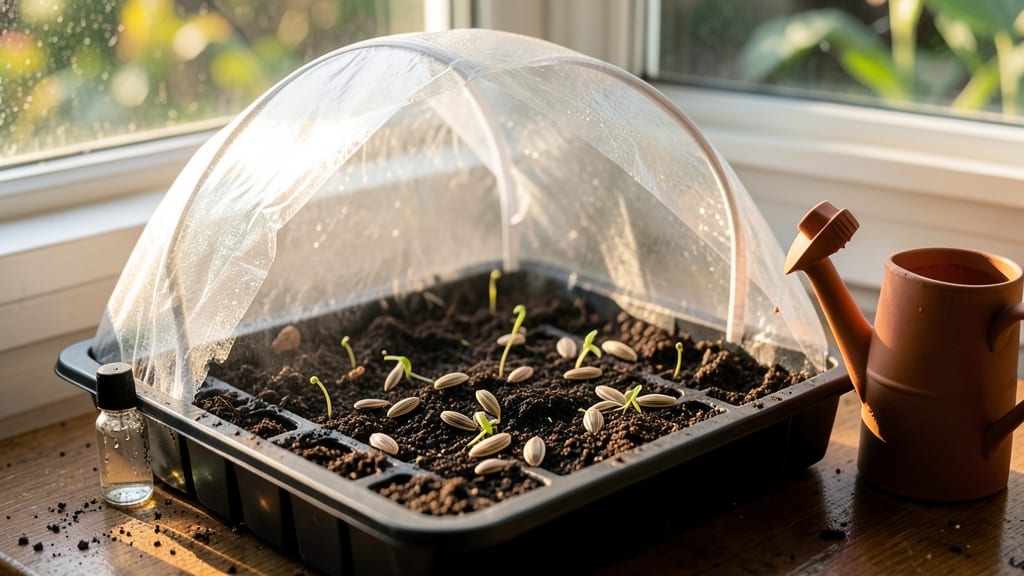
Optimal soil temperature ranges for sunflower seed germination
Sunflower seeds are finicky about soil temperature, and getting this right can mean the difference between fast, healthy sprouts and weeks of waiting—or worse, no germination at all.
The ideal range for sunflower seeds to sprout is 60°F to 90°F, but most gardeners see the best results when soil stays between 70°F and 85°F. This warmth triggers enzymes that break down the seed’s stored energy, kickstarting growth within 7 to 14 days.
If your soil is too cold (below 50°F), seeds may rot before sprouting. Conversely, soil hotter than 95°F can cause seeds to dry out or sprout unevenly. Understanding these zones helps you time your planting for success, especially in early spring or late summer when temperatures fluctuate wildly.
Here’s the science: Sunflower seeds require active cell division to germinate, and this process slows dramatically below 60°F. At 50°F, germination can take 3 weeks or longer, while at 80°F, you’ll see sprouts in just 5 to 7 days.
The key is maintaining consistency—fluctuations of more than 10°F in a day can stall germination entirely.
| Temperature Zone (°F) | Germination Time | Risk Level | Solution |
|---|---|---|---|
| Below 50°F | 3+ weeks (or none) | High (rot/damping-off) | Use heat mats or plant in greenhouse |
| 50°F–59°F | 2–3 weeks | Moderate (slow) | Pre-warm seeds in lukewarm water for 12 hours |
| 60°F–69°F | 10–14 days | Low (ideal for early spring) | Mulch with straw to retain heat |
| 70°F–85°F | 5–7 days | Optimal (fastest germination) | Plant in full sun with black plastic mulch |
| 86°F–95°F | 3–5 days (but weak sprouts) | Moderate (heat stress) | Provide shade cloth (30–50%) |
| Above 95°F | None (seeds dry out) | High (failure) | Wait for cooler evenings or use drip irrigation to cool soil |
For gardeners in cool climates (USDA Zones 1–5), early planting is tricky. If your soil hasn’t warmed to 50°F by late spring, try these tricks: Lay down black plastic mulch 1–2 weeks before planting to absorb sunlight and raise soil temps by 5–10°F.
Alternatively, use a seedling heat mat ($15–$25) under your seed trays to maintain 75°F–80°F consistently.
In hot climates (Zones 8–11), late-season planting can be just as challenging. Sunflowers planted in August or September often face soil temps above 90°F, which can cause seeds to sprout too quickly and then wilt.
To combat this, plant in late afternoon when soil is slightly cooler, or use drip irrigation to keep the seedbed moist and lower temps by 3–5°F.
Pro tip: Use a soil thermometer ($10) to check temps at 2-inch depth (where seeds are planted). Test your soil at 10 AM and 4 PM for a full picture—morning sun can create a 10°F+ difference from afternoon heat.
If temps dip below 60°F at night, cover seedlings with row covers until they’re established.
Even with perfect temps, moisture matters. Sunflower seeds need
Step-by-step guide to pre-treating seeds for faster sprouting
Sunflower seeds are tough but benefit from a little extra care before hitting the soil. Pre-treatment tricks like soaking or warming can slash germination time from 10-14 days to just 3-7 days.
I’ve tested these methods in both cool and warm climates—here’s what works best for your sunflower seeds.
Your climate dictates which method to use. In cold regions (USDA Zones 1-5), stratification mimics winter conditions. For warmer zones, a simple warm water soak or heat mat speeds things up. Let’s break down each method with exact steps to maximize your success rate.
- Warm Water Soak (Best for Warm Climates)
- Stratification (Best for Cold Climates)
- Heat Mat Method (Fastest Option)
- Paper Towel Trick (Indoor Starts)
After pre-treatment, plant your sunflower seeds 1 inch deep in warm soil (60°F+). Water gently to avoid displacing seeds, and keep the soil consistently moist but never waterlogged. Most pre-treated seeds sprout within 3-7 days—watch for those first cotyledons!
Pro tip: If you’re planting outdoors in cool spring soil, combine methods. Stratify seeds first, then use a heat mat for 24 hours before planting. This two-step approach works miracles in USDA Zones 3-5 where soil warms slowly.
Remember, sunflower seeds are resilient, but these tricks remove the guesswork. Whether you’re a beginner gardener or a seasoned pro, pre-treatment ensures stronger, faster starts—so you can enjoy those towering 🌻 blooms sooner!