
Light Requirements
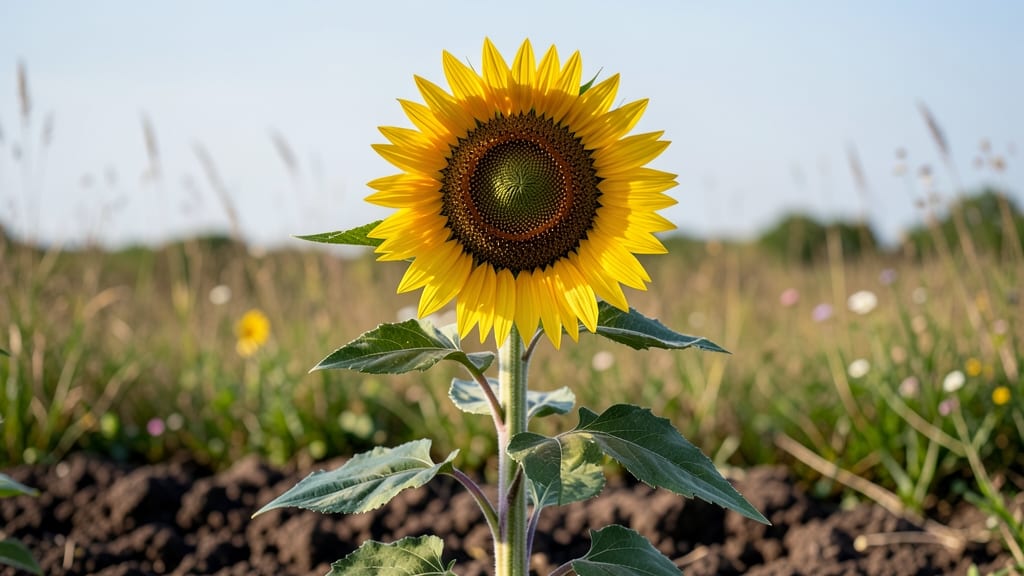
Sunflowers thrive when you meet their sunflower sunlight requirements, needing at least 6-8 hours of direct sunlight daily to grow their signature towering stems and vibrant blooms 🌻.
Sunflowers are nature’s sunshine lovers—but how much light do they really need to thrive? Get it wrong, and your towering dreams may wilt before they bloom. Too little sun means leggy stems, pale petals, and flowers that never open fully, while too much can scorch delicate leaves.
Balancing their sun cravings is the key to those iconic 10-foot giants you’ve always wanted.
Most gardeners assume "full sun" means all-day baking, but sunflowers actually prefer bright, consistent light with a few hours of afternoon shade in hot climates. In cooler zones like USDA 6a, they’ll soak up every possible ray from morning till evening.
The trick? Plant them where they’ll get the most sun without turning into crispy critters.
Below, I’ll break down the exact sunlight ranges by variety, how to spot light-starved plants, and even a few shade-tolerant options for trickier spots. Whether you’re working with a south-facing patch or a shadier corner, you’ll know exactly how to give your sunflowers the light they crave.
 Best Window Placement
How many hours of sunlight do sunflowers need daily?
Sunflowers are famous for their love of sunlight, but not all varieties demand the same amount of light. Full sun exposure is ideal for most sunflowers, but the exact hours of sunlight can vary based on the type—whether you're growing giant sunflowers, dwarf varieties, or standard types.
Understanding these differences ensures your sunflowers grow tall, strong, and vibrant. Let's break it down by variety and growth stage.
For standard sunflowers like 'Mammoth' or 'Russian Giant,' the rule is simple: 6 to 8+ hours of direct sunlight daily.
These varieties thrive when planted in open, sunny areas where they can soak up the sun from morning until late afternoon. Giant sunflowers, in particular, need this full exposure to reach their towering heights—sometimes exceeding 12 feet!
Without enough light, they’ll grow leggy and weak, struggling to support their massive blooms.
Dwarf sunflowers, such as 'Teddy Bear' or 'Peppermint Twist,' are slightly more flexible but still prefer 5 to 7 hours of sunlight daily. While they can tolerate a bit less light than their taller cousins, they’ll still produce smaller blooms and weaker stems if deprived of adequate sun.
Think of dwarf varieties as the low-light tolerant option, but don’t push your luck—even they need plenty of rays to shine.
During the seedling stage, young sunflowers can handle slightly less light—around 3 to 4 hours of sunlight daily. This is because their roots and stems are still developing, and too much direct sun can stress them.
However, once they reach 3 to 4 inches tall, it’s time to transition them to a sunnier spot. Gradually increasing their exposure over a week or two helps them adjust without shock.
The vegetative growth stage is when sunflowers start putting on serious height. This is the phase where they need the most light—6 to 8 hours daily for standard and giant varieties. If you notice your sunflowers stretching toward the light with long, thin stems, they’re begging for more sun.
This condition, called etiolation, weakens the plant and reduces flower quality. To fix it, move them to a sunnier location immediately.
When sunflowers enter the blooming stage, their sunlight needs shift slightly depending on the variety. Giant sunflowers still crave 8+ hours of sunlight to produce their largest, most vibrant blooms.
Standard varieties do well with 6 to 7 hours daily, while dwarf sunflowers can manage with 5 to 6 hours. Even in this stage, insufficient light leads to smaller, less showy flowers and can delay blooming by weeks.
If you're growing sunflowers in containers or urban gardens, maximizing sunlight becomes even more critical. Place pots on south-facing balconies or rooftops where they can bask in the sun from early morning until late afternoon.
Reflectors or mirrors can also help bounce extra light onto your plants, especially in shaded areas. Just avoid placing them in spots where they’ll be shaded by taller structures for most of the day.
One common mistake is assuming that morning sun alone is enough for sunflowers. While morning sunlight is beneficial, the afternoon sun is just as important—it provides the intense light needed for photosynthesis and flower development.
If your garden only gets strong afternoon sun, position your sunflowers to catch those golden hours. They’ll thank you with bigger, brighter blooms!
For gardeners in northern climates or areas with shorter daylight hours, consider using grow lights to supplement natural sunlight. LED grow lights with a full-spectrum bulb can provide the extra hours needed, especially during cloudy periods.
Just ensure the lights are placed 6 to 12 inches above the plants and used for 12 to 14 hours daily to mimic a long summer day.
Remember, sunflowers aren’t just about the quantity of sunlight but also its quality. Direct sunlight is best, but diffused light on overcast
Signs your sunflowers aren’t getting enough sunlight (and how to fix it)
Sunflowers are sunlight-hungry plants that thrive when basking in full sun exposure. When they don’t get enough light, their growth patterns change dramatically. I’ve seen my own sunflowers go from vibrant green to pale and leggy in just a few weeks when moved to a shadier spot.
The key is recognizing these early warning signs before it’s too late.
One of the first clues is yellowing leaves, especially on the lower stems. This happens when the plant stretches toward any available light, a condition called etiolation. You’ll also notice weak, spindly stems that can’t support the flower heads properly.
Even the flower buds may fail to open fully, leaving you with underwhelming blooms instead of the towering beauties you planted.
⚠️ callout warning
Sunflowers need 6-8+ hours of direct sunlight daily. Without enough light:
- Leaves turn yellow or purplish
- Stems grow weak and elongated
- Flower buds fail to open or stay small
If you’re dealing with stunted growth, check the soil moisture first—sometimes thirsty plants mimic light deprivation. But if the soil is moist and the stems are still weak and stretched, it’s a clear sign of light deficiency.
I once had a batch of sunflowers in a north-facing garden bed that barely reached my waist, while identical plants in a south-facing spot towered over my head.
For container-grown sunflowers, the problem is even more noticeable. Pots limit root growth, and without enough light, the plants become desperate for sunlight. You’ll see them leaning dramatically toward the nearest window or light source.
In these cases, rotating the pot daily can help, but moving to a sunnier location is the real fix.
Don’t assume all sunflowers need the same amount of light. Dwarf varieties like 'Teddy Bear' can tolerate partial shade, but even they’ll struggle with less than 4 hours of sun.
For giant varieties, like 'Mammoth', you’re looking at 8+ hours of direct sunlight to reach their full potential. If your sunflowers are lagging behind, it’s time to reassess their light conditions.
Fixing the problem is easier than you think. Start by moving your plants to a sunnier spot, like a south-facing window or a raised bed in full sun. If you’re growing indoors, grow lights can supplement natural light—just ensure they’re 12-18 inches above the plants for 12-14 hours daily.
For outdoor gardens, prune nearby trees or shrubs blocking sunlight to give your sunflowers the bright, open space they crave.