
Landscaping
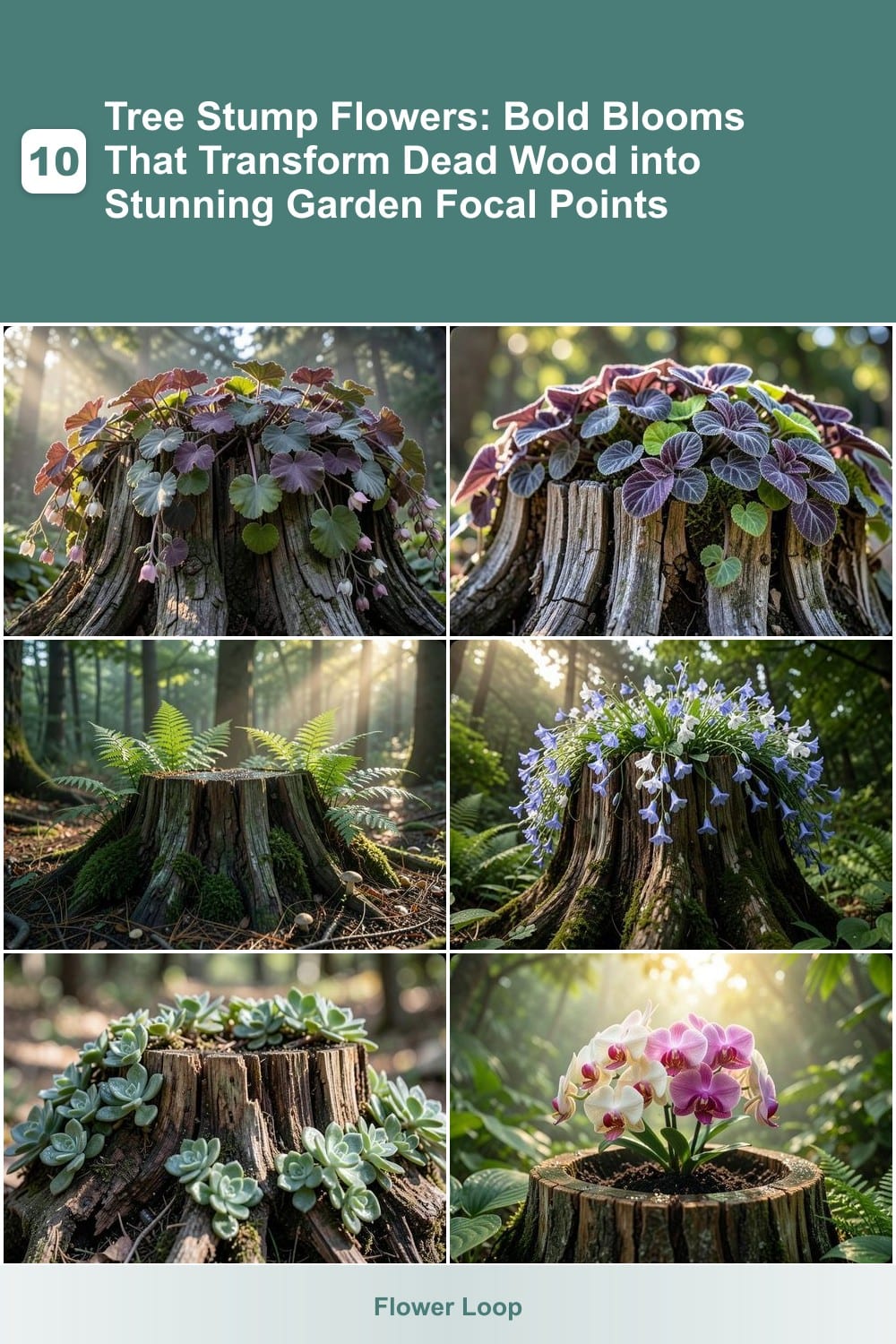
Revitalize your garden with these vibrant tree stump flowers that turn decaying wood into eye-catching focal points. Perfect for eco-conscious gardeners, these bold blooms add texture, color, and sustainability to any outdoor space.
Coral Bells Growing on Stumps
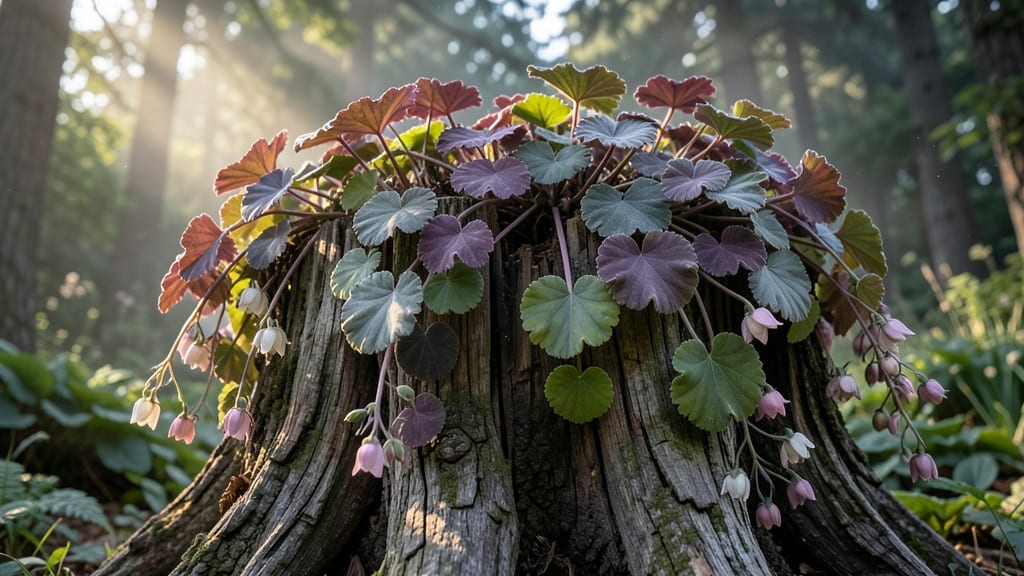
Turn that shady, forgotten stump into a drought-resistant showstopper with coral bells (Heuchera)—a perennial that thrives where others fail. Their cascading flowers and velvety foliage in shades of purple, silver, or lime green will spill dramatically over stump edges, creating a living waterfall of color.
These hardy plants love partial to full shade, making them perfect for stumps cast in shadow by trees. Simply loosen the soil around the stump, add a mix of peat moss and compost, and plant your coral bells at the same depth as their nursery container. Water deeply once a week during dry spells, but avoid soggy soil—they’re surprisingly forgiving once established.
Perfect for low-maintenance gardeners or anyone with shady stumps, coral bells deliver year-round interest with their striking foliage and seasonal blooms. The best part? They’ll outlast trendy annuals while requiring almost no effort. 🌿
Heuchera Mossy Cushions on Wood
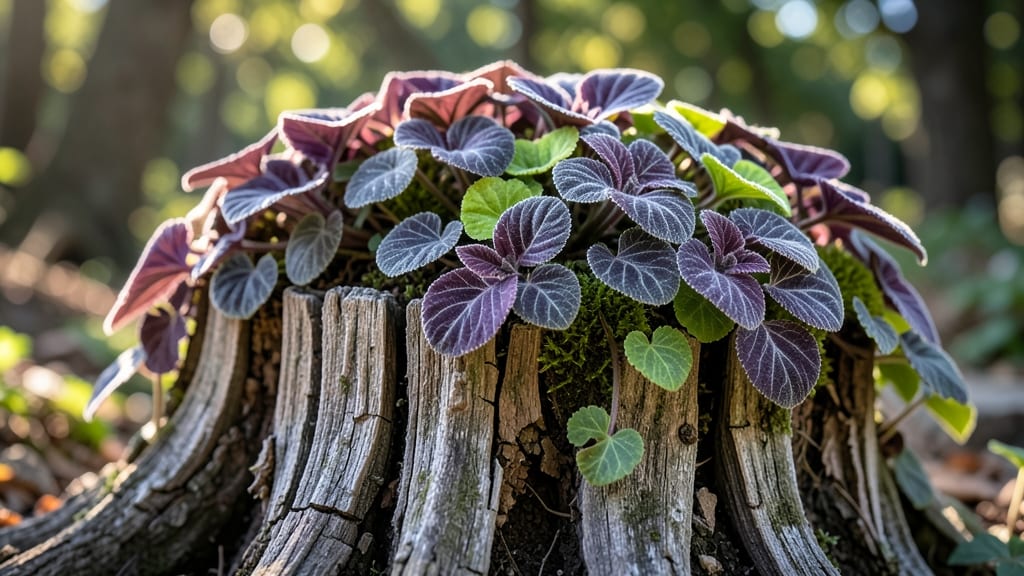
Forget the fuss of perfect soil—Heuchera Mossy Cushions turn neglected stumps into living art with their velvety, deep purple, silver, or lime green foliage that thrives even in rocky or nutrient-poor conditions. Unlike fussy perennials, these hardy ground covers spread effortlessly, filling gaps around stumps while requiring almost no maintenance beyond occasional trimming.
Plant them in well-draining soil around stumps to create a lush, textured curtain that contrasts beautifully with weathered wood. Their year-round interest (even in winter) makes them ideal for gardeners who want color without the upkeep. The secret? Their shallow roots adapt perfectly to stump microclimates, where moisture lingers just long enough to keep them happy.
Perfect for urban gardens with poor soil or beginner gardeners craving low-effort beauty, these "mossy" cousins of coral bells bring drama without the drama. 🌿
Ferns Thriving in Stump Crevices
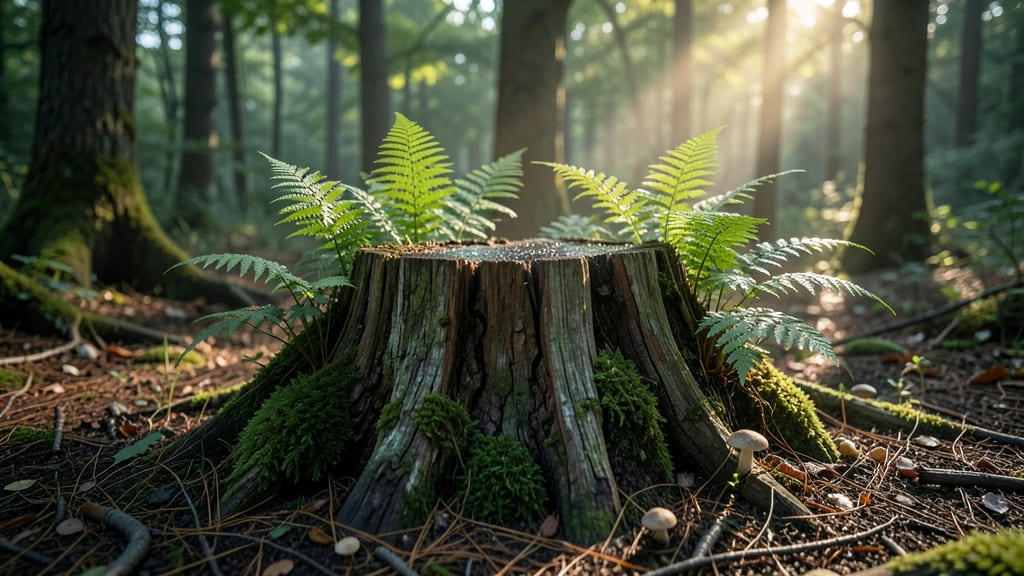
Transform your garden into a woodland retreat by letting ferns take root in the natural crevices of tree stumps. These delicate, moisture-loving plants thrive in the damp, shaded microclimates found in stump hollows, creating a lush green oasis that mimics their forest habitat.
Choose varieties like maidenhair ferns or ostrich ferns, which love the humid, shaded conditions of stump crevices. Simply tuck fern crowns into the cracks, water gently to settle the soil, and let nature do the rest—no fertilizers or heavy maintenance required. The textured fronds will spill over edges, softening the stump’s rugged surface and adding vertical interest.
This is the perfect choice for gardeners who love shady, low-maintenance spaces and want to evoke a whimsical woodland vibe. Ferns also attract pollinators and create a serene backdrop for other stump flowers. 🌿
Lobelia Waterfall Over Stumps
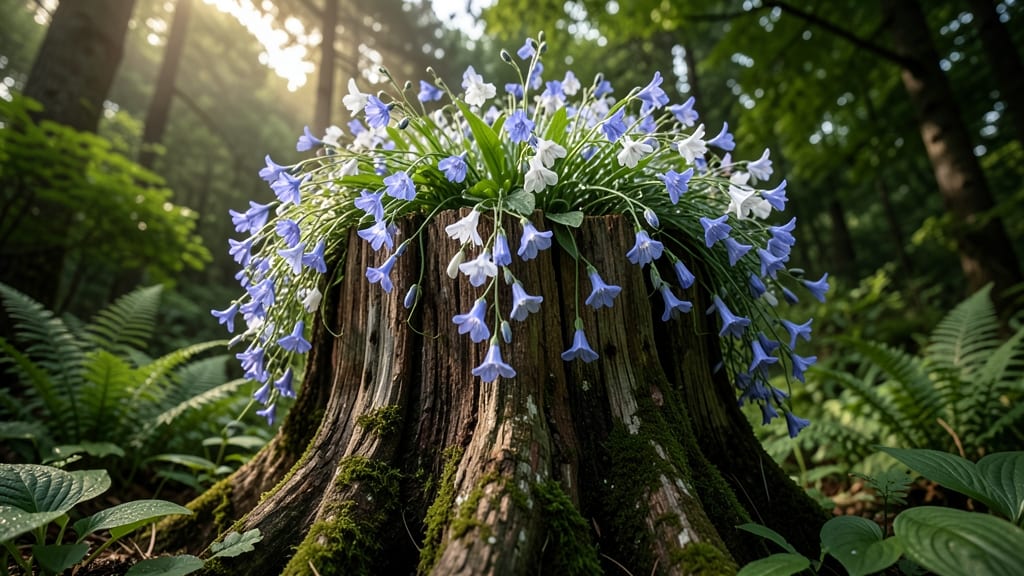
Turn a simple stump into a dramatic waterfall of color with lobelia, a trailing annual that spills over edges like a living cascade. This cool-season favorite thrives in the moist, shaded conditions of stump crevices, producing sky-blue or white flowers that attract hummingbirds and butterflies all summer long.
For best results, plant lobelia in well-draining soil mixed with compost, keeping the roots consistently moist but not soggy. Place it near the top edge of your stump to create that signature "waterfall" effect, and pair it with moss or ferns for extra texture. This plant is perfect for container stumps or garden beds where you want a soft, flowing look.
Urban gardeners and small-space enthusiasts will love how lobelia softens hard edges while adding year-round interest—even the foliage stays attractive when flowers fade. It’s the ideal choice for anyone who wants low-maintenance drama without high upkeep. 🌻
Sedum Succulents on Decaying Wood
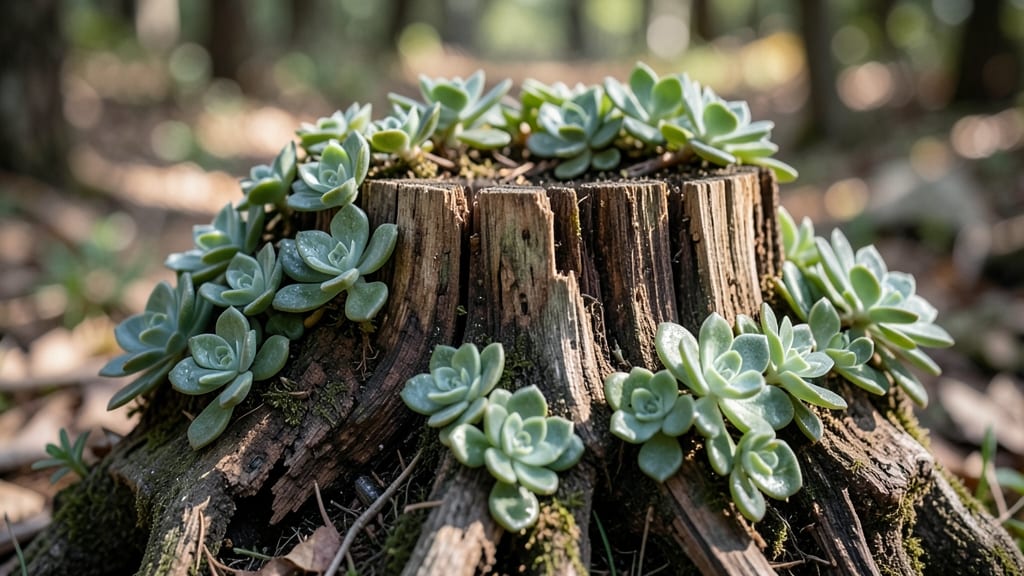
If you love low-maintenance plants that practically grow themselves, sedum succulents are your perfect match for decaying stumps. These hardy plants thrive in the unique microclimate of decomposing wood, where moisture lingers just enough to keep their thick, water-storing leaves happy without drowning them.
Sedum varieties like ‘Dragon’s Blood’ or ‘Autumn Joy’ love the slightly acidic, nutrient-rich soil found in stumps. Plant them in crevices or hollows where water collects, ensuring drainage holes if the stump is sealed. They’ll reward you with vibrant foliage or striking fall blooms while requiring minimal watering—ideal for busy gardeners or drought-prone areas.
This is the ultimate choice for urban gardeners or those with rocky, poor soil. Sedum’s resilience and striking forms make it a standout focal point that turns dead wood into living art. 🌻
Orchids in Stump Planters
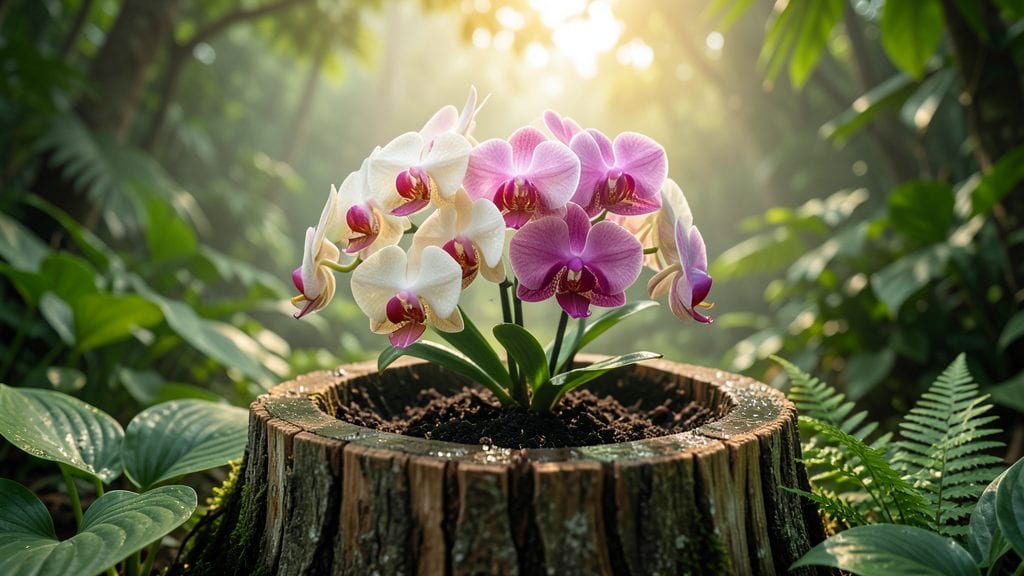
Bring the tropical rainforest to your garden with orchids thriving in hollowed stump planters—a hidden gem for humidity-loving blooms. These exotic plants adore the moist, shaded microclimate created by decaying wood, mimicking their natural habitat while adding elegant drama to your landscape.
Start by selecting a hollowed stump (or repurpose a large planter) and line it with sphagnum moss to retain moisture. Use a well-draining orchid mix (like bark, perlite, and peat) to prevent rot, and plant Phalaenopsis or Cattleya orchids—both flourish in this setup. Mist the foliage daily to maintain humidity, and place your stump in dappled shade (morning sun is ideal). With proper care, you’ll enjoy year-round blooms that turn your stump into a living work of art.
This is the perfect project for tropical gardeners or anyone craving a high-impact, low-space statement. Orchids in stumps prove that even "dead" wood can become a luxurious, fragrant centerpiece with minimal effort. ✨
Hosta Leaves Framing Stumps
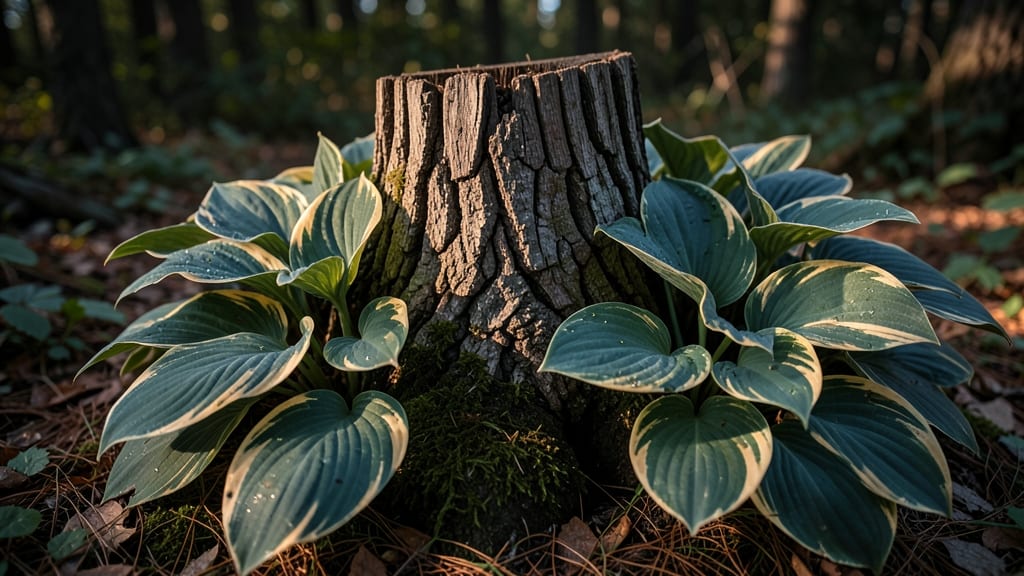
Transform your shady garden corner into a textured masterpiece by framing vertical stumps with hosta leaves—nature’s own living art. These broad, heart-shaped leaves in shades of blue-green, gold, or variegated patterns create a stunning contrast against rough stump bark, turning dead wood into an organic canvas.
Hostas thrive in shaded, moist conditions, making them perfect for stumps where sunlight barely reaches. Plant them at the stump’s base, allowing their large leaves to climb upward naturally. For extra drama, choose varieties like ‘Blue Angel’ (deep blue) or ‘Francee’ (gold-edged) to create visual impact. Mulch with shredded bark to retain moisture and suppress weeds—hostas will reward you with lush, year-round foliage.
This is the ideal choice for woodland gardeners or anyone who loves serene, low-maintenance beauty. Hostas deter deer and thrive in poor soil, making them a dream for shaded stumps where other plants struggle. 🌿
Impatiens Spilling from Stump Edges
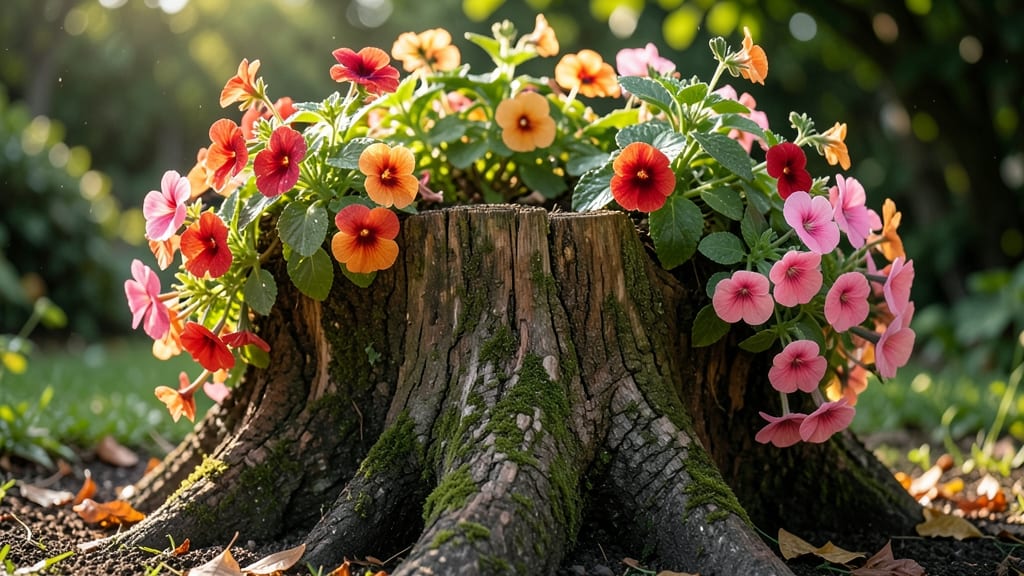
Want instant summer color without the wait? Impatiens are the secret weapon for transforming stumps into vibrant, blooming focal points. These cheerful annuals thrive in the naturally moist, shaded conditions found at stump bases, where their delicate red, orange, or pink flowers spill dramatically over edges like a living waterfall.
Choose New Guinea impatiens for extra heat tolerance or classic garden impatiens for classic charm. Plant them in well-draining soil mixed with compost, keeping the roots consistently moist but not waterlogged. Their fast-growing habit means you’ll see blooms within weeks—ideal for filling gaps or adding seasonal pops to shady garden corners.
Perfect for renters, urban gardeners, or anyone craving quick results, impatiens bring effortless beauty to stumps while attracting pollinators. Just remember: they’re annuals, so plan to replant each spring for continuous color. ✨
Moss Gardens on Weathered Stumps
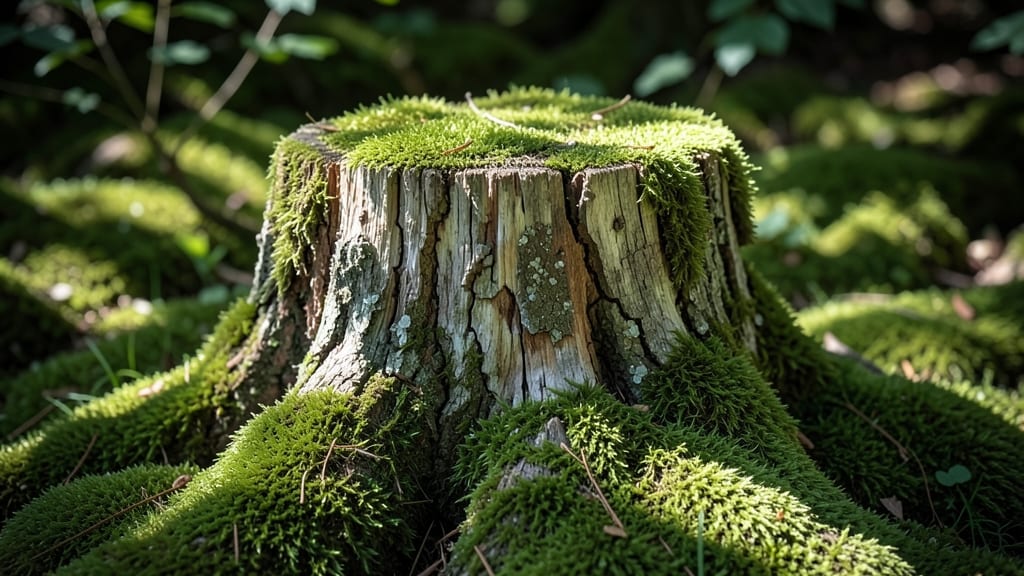
Skip the fuss of flowering plants—moss gardens turn bare stumps into velvety, self-sustaining masterpieces that thrive where sunlight barely reaches. Unlike fussy annuals, moss spreads effortlessly, creating a living carpet that softens rough wood while requiring zero pruning or fertilizing.
Start by placing your stump in a shady, moist corner—think under trees or along north-facing walls. Gather moss from forests (or buy sheets from garden centers) and press it firmly onto the stump’s surface, misting it daily for the first week. For extra texture, tuck in tiny ferns or liverworts—they’ll blend seamlessly into the mossy mat. This living art form stays vibrant with just occasional misting during dry spells.
Perfect for urban gardeners with limited sun or anyone craving a low-maintenance, Zen-like garden feature, moss stumps need no soil, no tools, and no deadheading. Just sit back and watch nature weave its magic. ✨
Lichen-Covered Stump Sculptures
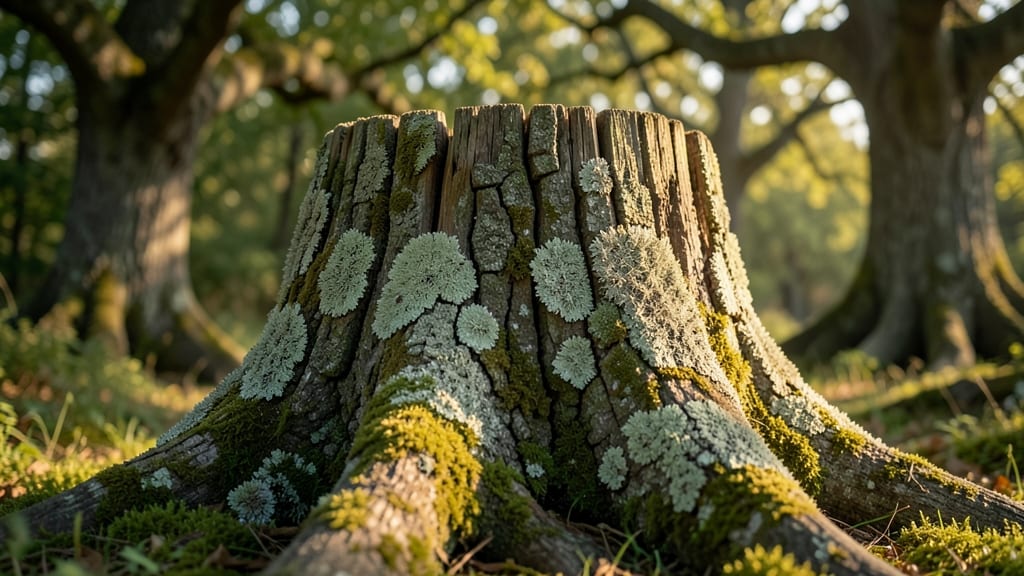
Skip the gardening tools and let nature do the artistry—lichen-covered stump sculptures transform dead wood into living, ever-changing masterpieces. These slow-growing, non-flowering organisms paint organic patterns in earthy greens, grays, and golds, turning stumps into rustic canvases that evolve with the seasons.
To encourage lichen growth, place your stump in a shady, humid spot—like under trees or near a water feature—where moisture lingers. Avoid fertilizers or pesticides, as lichen thrives on untouched, nutrient-poor surfaces. Over time, their delicate tendrils will spread, creating intricate textures that feel straight out of a fairy tale. No planting or maintenance required—just patience and a love for nature’s slow art.
Perfect for whimsical gardeners or those who adore minimalist, organic aesthetics, these sculptures add depth without upkeep. They’re especially magical in moisture-rich climates or shaded forest gardens where lichen flourishes naturally. 🌿