
Pruning
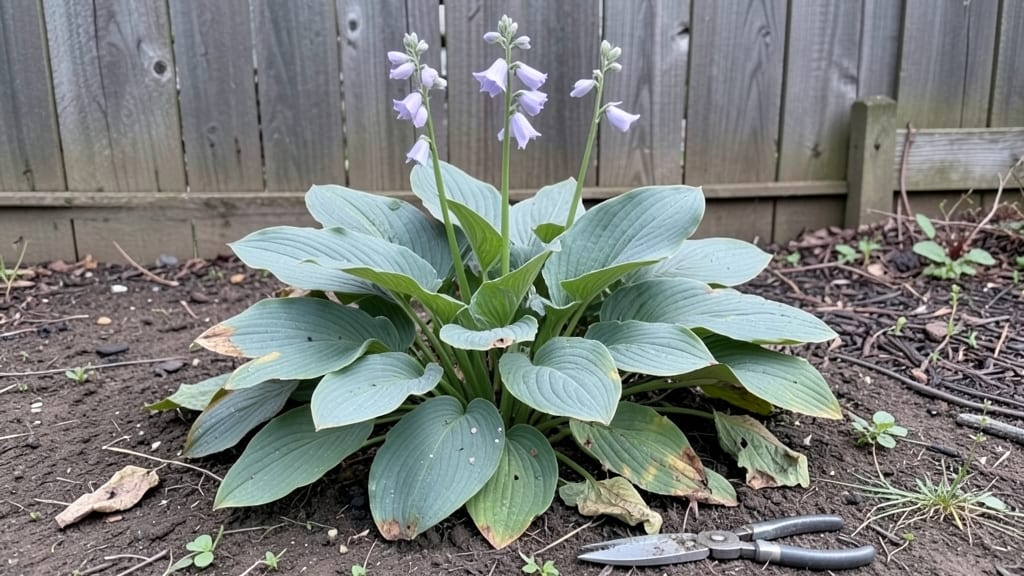
Trimming hosta flowers is the secret weapon for plants that look like they’re from a nursery catalog. 🌿 After years of struggling with leggy, sparse foliage, I finally learned that removing spent blooms isn’t just about looks—it’s about redirecting energy back into those thick, velvety leaves we all love.
The timing and method make all the difference, and doing it wrong can leave your hostas looking tired instead of thriving.
Most gardeners deadhead hosta flowers right after they fade, but the real magic happens when you combine that with a light trim of the flower stalk down to the base. You’ll need sharp pruners or clean scissors—never tear the stems—and a clear day to avoid spreading disease.
The goal is to remove the spent blooms without damaging the surrounding foliage, which is surprisingly delicate when you’re working close to the leaves.
By mid-summer, you’ll notice new shoots forming at the base of your hostas, and those broad leaves will fill out faster than ever. The plants store energy for next year’s growth instead of wasting it on seed production, and you’ll end up with foliage so dense it blocks weeds naturally.
This simple step turns a good hosta into a showstopper—no fancy fertilizers required.
For winter prep, hold off on heavy trimming until late fall when the leaves start yellowing. A quick clean-up then keeps your garden tidy without stressing the plant.
The key is consistency: trim spent blooms regularly throughout the season, and your hostas will reward you with that lush, healthy look every gardener dreams of.
📚 In This Guide
- What you need
- Instructions
- Tips and common mistakes
- Wrapping up and next steps
What you need
- ● Clean, sharp pruners or shears – Bypass pruners (4- to 6-inch blades) work best for precision cuts. Avoid dull tools to prevent crushing stems.
- ● Garden gloves – A pair of nitrile-coated gloves (medium or large) to protect your hands from sap and sharp edges.
- ○ Disinfectant (optional but recommended) – A small bottle of rubbing alcohol (70% isopropyl) or diluted bleach solution (1 part bleach to 9 parts water) to sterilize tools before and after use.
- ● Trash bag or bucket – For disposing of trimmed flowers and debris. A 13-gallon compostable bag or a 5-gallon metal bucket works well.
- ○ Garden kneeler or stool (optional) – To make trimming more comfortable, especially for larger hosta beds.
- ● Timing – Trim flowers after they’ve fully bloomed and faded (usually late summer to early fall) to redirect energy to foliage.
- ● Weather check – Choose a dry, overcast day to avoid cutting wet stems, which can spread disease.
- ● Plant health assessment – Ensure your hostas are free of pests or disease before trimming. Remove any damaged leaves or stems first.
Instructions: how to trim hosta flowers for stronger foliage
Here's the simple method I use every year to keep my hostas thriving.
✂️ Step 1: Wait Until Flowers Fade Naturally
Never cut hosta flowers when they're still vibrant. Wait until the blooms turn brown and wither completely—this usually happens 4-6 weeks after flowering depending on your climate. I always check for dry, papery petals as my signal that it's time to trim.
If you cut flowers too early, you remove the plant's energy reserves before they've been redirected to the roots. This weakens the foliage for next season. Patience here pays off with thicker, healthier leaves.
✂️ Step 2: Use Clean, Sharp Pruners for Precision Cuts
Grab your bypass pruners and make a clean cut ½ inch above the base where the flower stalk meets the foliage. I angle the cut slightly downward to prevent water from pooling on the stem. This small detail keeps diseases at bay.
Never tear the stalk—this damages the plant's tissue and invites rot. If your pruners are dull, you'll crush the stem instead of cutting cleanly. A quick sharpening ensures a smooth cut every time.
🌿 Step 3: Remove All Flower Stems Completely
Hostas often produce multiple flower stalks. Cut each one at the base until no green stems remain. I like to work in small sections, trimming one stalk at a time while keeping an eye on the plant's overall shape.
Leaving any part of the flower stalk behind wastes the plant's energy. These stems don't photosynthesize like leaves, so they're just dead weight. A thorough cleanup ensures all resources go back to the foliage.
💧 Step 4: Water Lightly After Trimming
Give your hostas a light watering immediately after trimming to help them recover. The shock of cutting removes some of their moisture reserves, so this small boost keeps them hydrated while they redirect energy.
Don't overwater now—hostas hate soggy roots. Just enough to settle the soil around the base. You'll notice new leaf growth within 2-3 weeks if everything's done right.
☀️ Step 5: Monitor for New Growth and Adjust Care
After trimming, move your hostas to a spot with partial shade (4-6 hours of morning sun). The plant will focus on rebuilding foliage rather than flowering, so you'll see thicker, more vibrant leaves within 4-6 weeks.
If you notice any yellowing leaves after trimming, it's usually just the plant adjusting. But if more than 20% of leaves turn yellow, check for overwatering or pest issues. Healthy hostas bounce back quickly after proper trimming.
Tips & tricks for perfect hosta flower trimming
Here's what nobody tells you about keeping your hostas thriving after trimming those spent blooms.
Timing is Everything: The 4-6 week wait after flowering is non-negotiable for most hosta varieties. I learned this the hard way after trimming too early and watching my plants struggle through winter. If you're in a cooler climate, extend that wait to 7-8 weeks—the cooler temps slow down the natural energy redistribution process.
Tool Prep Makes All the Difference: Before you even touch your pruners, take 2 minutes to sharpen them on a fine stone. Dull blades crush plant tissue instead of cutting cleanly, which creates perfect entry points for fungal infections. I keep a small sharpening kit in my gardening shed—it's saved me from losing plants to rot more times than I can count.
The Complete Cleanup Secret: When you're done trimming, run your fingers through the foliage to check for any remaining flower stems hiding among the leaves. These sneaky little stems can siphon energy from your plant for weeks. I've seen hostas with perfect-looking leaves still struggling because of these hidden energy vampires.
Post-Trim Recovery Boost: That light watering in Step 4 isn't just symbolic—it's a crucial recovery step. Hostas have shallow root systems, and the trimming shock can temporarily disrupt their water uptake. I like to add a handful of compost to the soil after watering to give the roots an immediate nutrient boost for their recovery period.
Pro Tips for Trimming Hosta Flowers
- Here's what nobody tells you about keeping your hostas thriving after trimming those spent blooms.
- Timing is Everything: The 4-6 week wait after flowering is non-negotiable for most hosta varieties.
- Tool Prep Makes All the Difference: Before you even touch your pruners, take 2 minutes to sharpen them on a fine stone.
Frequently asked questions
Got questions about trimming hosta flowers? You’re not alone! Here are some common queries—plus clear answers to help you keep your hostas thriving.
When is the best time to trim hosta flowers?
Wait until the blooms have fully faded—usually after the first frost or when they turn brown. Trimming too early can stress the plant. If you’re in a mild climate, you can trim anytime after flowering stops. Pro tip: Use clean, sharp scissors to avoid damaging the leaves.
Do I need to remove hosta flower stalks at all?
While you don’t have to trim them, removing spent flower stalks helps redirect energy to the leaves and roots. This promotes healthier foliage growth and prevents potential pests or diseases from lingering. If you love the flowers, just snip them back after they wilt.
What if I accidentally trim too much of the foliage?
Don’t panic! Hosta leaves can regrow from the crown. If you’ve cut back more than 1/3 of the foliage, focus on watering and providing shade. Avoid fertilizing right away—let the plant recover first. New growth should emerge within a few weeks.
Can I trim hosta flowers in summer?
It’s not recommended to trim hosta flowers mid-summer because the plant needs its energy for foliage growth. Wait until late summer or early fall when the blooms have faded. If you’re dealing with overgrown stalks causing crowding, trim them just above the leaf whorl—but do so sparingly.
Will trimming hosta flowers affect next year’s blooms?
Not necessarily! Hosta flowers come from the previous year’s growth, so trimming now won’t stop blooms next season. However, over-trimming or removing too many stalks can reduce next year’s display. For heavy bloomers, leave a few stalks intact to encourage more flowers.
Wrapping up and next steps
Trimming your hosta flowers isn’t just about tidiness—it’s a simple yet powerful way to boost your plants’ health and foliage. By removing spent blooms and deadheading, you’re redirecting energy to those stunning leaves you love, ensuring your garden stays vibrant and thriving. You’ve got this! 🌿
Ready to see the difference? Grab your pruners and give your hostas the care they deserve—your future lush, green oasis starts with just a few snips! Next up: Watch your hostas flourish with this extra TLC.