
Blooming
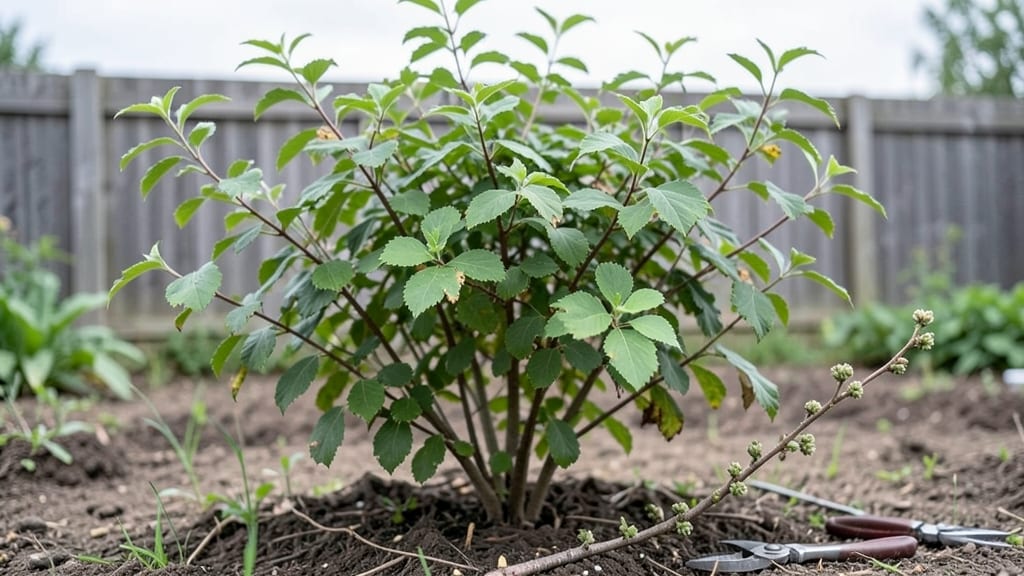
Your viburnum not flowering this spring might feel like a mystery, but it’s usually one of three simple fixes—light, pruning, or nutrients.
I’ve seen this happen with my own viburnum shrubs after years of ignoring a few key details, and once I adjusted care, the blooms came back stronger than ever. The good news? Most viburnums bounce back fast once you address the right issue.
First, check sunlight—viburnums need 6-8 hours of direct sun daily, and partial shade can stall blooms. Then look at your pruning habits: cutting at the wrong time or too aggressively removes next year’s flower buds.
Even nutrient deficiencies (like low phosphorus) can trick plants into skipping blooms. The fix isn’t complicated, but it does require a little detective work.
By next spring, you’ll see clusters of fragrant white or pink blooms again—maybe even more than before. The key is acting now, whether that means moving the plant, adjusting your pruning schedule, or feeding it the right nutrients. Think of this as a reset button for your shrub’s flowering cycle.
Works for all viburnum varieties, from Viburnum dentatum to Viburnum opulus. Let’s get those buds blooming again—it’s simpler than you think.
Why it happens
If your Viburnum is putting on all the leafy green drama but skipping the floral show, don’t panic—there’s usually a logical reason behind it. Understanding these causes is the first step to bringing back those showstopping blooms.
Let’s break down the science (and the not-so-scientific) reasons your plant might be holding out on you.
🌱 Insufficient Light Exposure
Viburnums are light-lovers, but not all light is created equal. Most species thrive in full sun to partial shade—typically 6 to 8 hours of direct sunlight daily.
If your plant is tucked away in deep shade, it may prioritize leaf growth over flowering because photosynthesis (the process that fuels blooms) isn’t happening efficiently enough.
- Signs: Lush foliage but sparse or no flowers, especially on the upper branches.
- Solution: Gradually move it to a sunnier spot (morning sun is gentler than harsh afternoon rays) or prune nearby trees/shrubs blocking light.
- Pro Tip: 💡 If relocating, do it before spring growth begins to avoid shocking the plant.
💧 Watering Woes: Too Much or Too Little
Water stress—whether from drought or soggy roots—can send your viburnum into survival mode, delaying or halting flower production. These plants prefer consistently moist (but not waterlogged) soil. Too little water triggers drought stress, while too much can suffocate roots, cutting off nutrient flow to the buds.
- Signs:
- Wilting leaves or crispy edges (underwatering).
- Yellowing leaves or fungal growth (overwatering).
- Flowers dropping prematurely.
- Solution:
- Check soil moisture 1–2 inches deep—if dry, water deeply until it drains.
- Ensure pots have drainage holes or amend heavy clay soil with compost.
- Avoid wetting foliage to prevent fungal diseases like powdery mildew, which can stress the plant.
- Pro Tip: 🌡️ Mulch with 2–3 inches of organic mulch (like wood chips) to retain moisture and regulate soil temperature.
🍽️ Nutrient Deficiencies or Imbalances
Flowers are energy-intensive, and your viburnum needs the right nutrients to produce them. A deficiency in phosphorus (P) or potassium (K)—key players in bloom development—can leave your plant looking lush but barren. Over-fertilizing with nitrogen (N) also skews growth toward leaves over flowers.
| Nutrient Deficiency | Symptoms | Fix |
|---|---|---|
| Phosphorus (P) | Dark green leaves, stunted growth, no flowers. | Apply a balanced fertilizer (10-10-10 or 5-10-10) in early spring or use bone meal. |
| Potassium (K) | Weak stems, yellow leaf edges, poor disease resistance. | Use a potassium-rich fertilizer (like 0-0-50) or wood ash. |
| Nitrogen (N) Overload | Excessive leafy growth, no flowers, leggy stems. | Switch to a low-nitrogen, high-phosphorus fertilizer (e.g., 3-6-6). |
Pro Tip: ✨ Test your soil every 2–3 years to identify specific deficiencies—many garden centers offer DIY kits.
⏳ Age or Dormancy Stage
Young viburnums (under 3–5 years old) often focus on root and foliage growth before flowering. Similarly, some species (like Viburnum dentatum) bloom on old wood—meaning flowers form on stems from the previous year.
If you prune too aggressively in late winter or early spring, you might remove next year’s blooms before they even appear!
- Signs:
- No flowers on a mature plant (older than 5 years).
- Flowers appearing only on new growth (common in species like Viburnum plicatum).
- Solution:
- Be patient with young plants—let them establish for a season.
- Prune after flowering (late spring/early summer) to avoid cutting off old wood buds.
- For spring-blooming types, prune immediately after blooms fade.
- Pro Tip: 🔥 If your viburnum is mature but not flowering, check if it’s overcrowded—thinning nearby plants can improve air circulation and light penetration.
🐞 Pests or Diseases Stealing the Show
Unseen invaders like spider mites, scale insects, or fungal diseases (e.g., anthracnose) can sap your viburnum’s energy, leaving it too weak to produce flowers. These pests often target stressed plants, creating a vicious cycle.
- Signs:
- Sticky residue (honeydew) on leaves.
- Yellowing or curled leaves.
- Black spots or mold on foliage.
- Webbing between branches.
- Solution:
- Inspect leaves undersides and new growth for pests.
- Spray with neem oil or insecticidal soap for mites/scale.
- Remove and destroy infected leaves; apply fungicide if needed.
- Encourage beneficial insects (like ladybugs) by planting companion flowers.
- Pro Tip: 🎯 Prevention is key—water at the base (not overhead) and avoid wetting leaves to deter fungal spores.
Revive Your Viburnum's Blooms
Now that you know why your viburnum might be skipping its floral show, let’s turn things around! The good news? Most flowering issues are fixable with a little TLC. Below, we’ve mapped out practical solutions for each common cause—plus prevention tips to keep your viburnum blooming like a pro.
🌱 Fix Insufficient Sunlight: Give It More Light
If your viburnum is tucked in too much shade, it’s time to move it or trim nearby obstacles.
- 🔥 Step 1: Assess the Spot Check if your viburnum gets at least 6 hours of sunlight daily (partial shade is ideal for some varieties). If not, it’s likely the culprit.
- 🍳 Step 2: Relocate or Prune
- Move it to a sunnier location (morning sun + afternoon shade works best).
- Prune overgrown trees/shrubs blocking sunlight—use clean, sharp shears 🔪 to avoid damage.
- ⏰ Step 3: Adjust Gradually If moving, do it before spring so the plant adjusts. Avoid sudden shocks by watering deeply after relocation.
💡 Pro Tip: If relocating isn’t an option, plant sun-loving companions (like lavender or catmint) nearby to reflect light back onto your viburnum.
💧 Fix Overwatering or Poor Drainage: Balance the Moisture
Too much water (or soggy soil) stresses roots and halts blooms. Here’s how to drain the drama:
- 🔥 Step 1: Check the Soil Stick your finger 2 inches deep—if it’s damp, you’re overwatering. Viburnums prefer moist but well-drained soil.
- 👨🍳 Step 2: Improve Drainage
- Amend heavy clay soil with compost or perlite (mix in a 50/50 ratio).
- Raise the planting bed slightly if drainage is chronically poor.
- 🥘 Step 3: Adjust Watering Habits
- Water deeply but infrequently (1–1.5 inches per week, less in winter).
- Use a moisture meter or the "squeeze test" (grab a handful of soil—if it crumbles, it’s dry enough).
🌡️ Pro Tip: Mulch around the base (2–3 inches of wood chips or bark) to retain moisture while preventing root rot.
🌿 Fix Nutrient Deficiencies: Feed It Right
Yellowing leaves or sparse blooms? Your viburnum might be hungry for key nutrients.
- 📊 Step 1: Test the Soil (Optional but Helpful) A simple soil test kit (or lab test) reveals pH and nutrient levels. Viburnums thrive in slightly acidic to neutral soil (pH 5.0–7.0).
- 💪 Step 2: Fertilize Smartly
- Spring boost: Use a balanced, slow-release fertilizer (10-10-10 or 20-20-20) in early spring as new growth starts.
- For blooms: Switch to a phosphorus-rich fertilizer (like 5-10-5) in late winter to encourage flowers.
- Organic option: Mix in compost or worm castings for a natural nutrient boost.
- 🍎 Step 3: Avoid Over-Fertilizing Too much nitrogen = leafy growth, no flowers. Stick to recommended doses and water after applying.
✨ Pro Tip: Epsom salt (magnesium sulfate) can help if leaves are yellowing between veins—a sign of magnesium deficiency. Mix 1 tbsp per gallon of water and spray foliage monthly.
✂️ Fix Improper Pruning: Shape It for Success
Pruning at the wrong time or too aggressively can delay or prevent flowering.
- 🔥 Step 1: Prune at the Right Time
- For spring bloomers (e.g., Viburnum bodnantense): Prune right after flowering (late spring/early summer).
- For summer/fall bloomers (e.g., Viburnum plicatum): Prune in late winter/early spring before buds swell.
- 👨🍳 Step 2: Use the Right Technique
- Thin out crowded branches to improve airflow (aim for an open center).
- Avoid "heading back" (cutting into old wood)—this removes next year’s flower buds!
🎯 Pro Tip: If your viburnum is overgrown, prune no more than 1/3 of the plant in one season to avoid shock.
🐞 Fix Pest or Disease Damage: Protect Its Health
Pests like scale insects or diseases like powdery mildew can weaken your viburnum and reduce blooms.
- 🔥 Step 1: Inspect for Pests Look for:
- White powdery coating = powdery mildew.
- Holes in leaves = Japanese beetles or spider mites.
💡 Pro Tip: Ladybugs and lacewings are natural pest predators—encourage them by planting dill, fennel, or marigolds nearby!
⏳ Fix Age or Dormancy: Be Patient or Rejuvenate
Mature viburnums (over 10–15 years old) may bloom less, and young plants need time to establish.
- 🔥 Step 1: Check the Plant’s Age
- Mature viburnums (10+ years): They might be overdue for rejuvenation.
🌱 Pro Tip: Some viburnums (like Viburnum opulus) bloom on both old and new wood—if you see a few flowers, the plant is still healthy but may need a growth boost!
Final Reminder: Consistency is key! Combine sunlight, proper watering, feeding, and pruning for the best results. With a little effort, your viburnum will be bursting with blooms next season! 🌸
Frequently asked questions
Why isn’t my mature viburnum blooming after years of healthy growth?
Mature viburnums often skip blooms due to improper pruning timing or overcrowding. Many varieties bloom on old wood, so pruning in late winter/early spring removes next year’s buds. Try pruning right after flowering instead, and thin out crowded branches to improve airflow and light penetration. This often revives blooms within a season!
How can I tell if my viburnum needs more sunlight?
Check for lush foliage but no flowers—especially on upper branches—this is a classic sunlight deficiency sign. Viburnums thrive with 6-8 hours of direct sun daily. If your plant’s leaves are pale or stretching toward light, it’s likely starving for sunlight. Gradually move it to a sunnier spot (morning sun is gentler) or prune nearby shade sources.
What’s the best way to fertilize for blooms instead of just leaves?
Viburnums need phosphorus-rich fertilizer for blooms, not nitrogen-heavy options that promote leaves. Apply a 5-10-5 or 10-10-10 fertilizer in late winter before buds swell, then follow up with compost in spring. Avoid over-fertilizing—too much nitrogen creates leafy monsters without flowers!
Can I save a young viburnum that’s not blooming yet?
Young viburnums (under 3-5 years) focus on root and foliage growth first. Be patient—most begin blooming in their second or third year. Give it full sun, consistent moisture, and balanced fertilizer while avoiding pruning. With proper care, it’ll reward you with blooms next season!
What should I do if pests are stressing my viburnum?
Inspect for sticky residue (honeydew) or white powdery coatings first—these indicate pests or mildew. Spray with neem oil for soft-bodied insects or baking soda solution for mildew. Prevent future issues by watering at the base (not foliage) and removing fallen leaves. Healthy plants resist pests better!