
Flowers
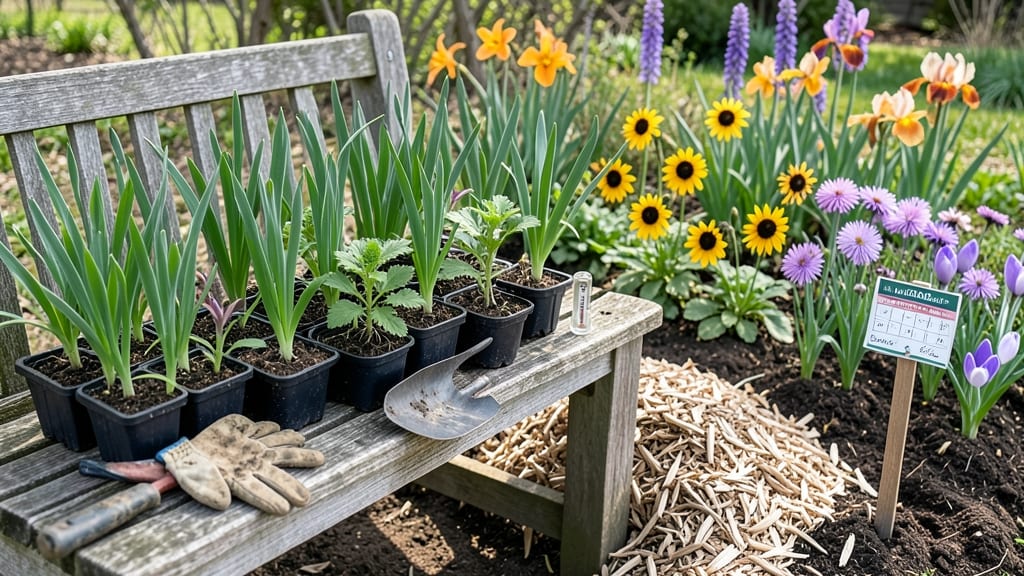
You can plant flowers in Michigan once the soil warms to 50°F and the last frost has passed—typically between April 15 and May 15 for most zones, but earlier in the south and later in the Upper Peninsula.
Michigan’s unpredictable spring weather can leave gardeners wondering—when is the exact right time to plant flowers without risking frost damage? Timing matters, especially with Michigan’s six USDA zones (4b to 6a) and diverse flower varieties that thrive in different conditions.
Spring planting is all about balancing warmth and frost risk. Annuals like marigolds and petunias love the heat, while perennials such as coneflowers and black-eyed Susans need cooler soil to establish roots. Fall planting, from September 1 to October 15, gives tender perennials time to root before winter.
Below, I’ll break down the best planting windows by zone, share frost-free date maps, and recommend the toughest flowers for Michigan’s short growing season—so you can finally stop guessing and start growing.
Michigan’s frost-free dates by USDA Zone & safe planting windows
Determining the perfect time to plant flowers in Michigan depends on your USDA zone (4b-6a) and the frost sensitivity of your chosen varieties. Northern Michigan (Zone 4b) typically has last frost dates in mid-May, while southern regions (Zone 6a) may see frost-free conditions by mid-April.
These differences mean your planting window can vary by 3-4 weeks depending on location.
Michigan State University’s historical data shows that average last frost dates shift gradually across the state. For example, Detroit (Zone 6a) has a 90% chance of frost-free conditions by April 25, while Traverse City (Zone 5b) usually waits until May 10.
Understanding these patterns helps you avoid frost damage to tender annuals like petunias or marigolds.
Heat-tolerant flowers like black-eyed Susans or coneflowers can handle cooler soils, while frost-sensitive varieties such as impatiens or begonias require warmer conditions. Always check soil temperatures—aim for at least 50°F before planting frost-sensitive species.
To calculate your local planting window, use the 32°F rule: wait until the average nighttime low consistently stays above 32°F for at least 5 consecutive days. For extra safety, add 7-10 days to this window, especially in Zone 4b areas where late frosts are common.
🌱Pro Tip: Use Michigan State University’s Frost-Free Date Map (available online) to pinpoint your exact location’s trends. This tool accounts for microclimates like urban heat islands or lakeside areas, which can delay or advance frost dates by 1-2 weeks.
For fall planting, aim to get perennial flowers like chrysanthemums or asters into the ground 6-8 weeks before your first frost. In Zone 4b, this means early September, while Zone 6a gardeners can extend planting until mid-October.
Mulch heavily after planting to insulate roots from early frosts.
🌿Local Adjustments: If you’re near Great Lakes shorelines, expect cooler microclimates that delay planting by 1-2 weeks. Conversely, urban areas like Detroit or Grand Rapids may warm up faster due to the heat island effect. Always monitor local weather forecasts for real-time updates.
To extend your growing season, consider using row covers or cold frames for tender annuals. These tools can push your planting window 2-3 weeks earlier in spring or delay fall planting by 4-6 weeks. Just remember to remove covers during daytime heatwaves to prevent overheating.
💡Final Tip: Keep a gardening journal for 2-3 years to track your local frost dates. Note any early or late frosts and adjust your planting schedule accordingly. Over time, you’ll develop a customized timeline that works perfectly for your Michigan garden.
Best flowers to plant by season in Michigan (cool vs. warm-loving varieties)
Michigan’s diverse climate means some flowers thrive in cool spring weather while others need warm summer heat to flourish. Choosing the right varieties for each season ensures vibrant blooms year-round. Let’s break down the best cool-loving and warm-season flowers for Michigan gardens, tailored to your USDA zone.
For spring planting (April–May), focus on hardy perennials and cool-tolerant annuals that survive light frosts. In summer (June–August), warm-loving annuals and heat-tolerant perennials take center stage. Fall (September–October) is ideal for bulbs and tender perennials that need time to establish roots before winter.
🌱 Seasonal Planting Guide for Michigan
- 1.
- 2.
- 3.
In USDA Zone 5b (southern Michigan), you can plant warm-season flowers like cosmos and petunias as early as late April, while Zone 4b (Upper Peninsula) gardeners should wait until mid-May. Always check your local last frost date—delay planting if nighttime temps dip below 40°F.
For perennials like coneflowers and bee balm, divide clumps in early spring or fall to rejuvenate growth. Annuals like impatiens prefer shade and thrive in summer heat, while sunflowers need full sun and well-draining soil. Mulch newly planted flowers to retain moisture and protect roots.
Don’t forget fall-blooming asters and mums—they add color to late-season gardens and tolerate cooler temps. With the right timing and varieties, your Michigan garden can burst with color from spring to frost! 🌷