
Flowers
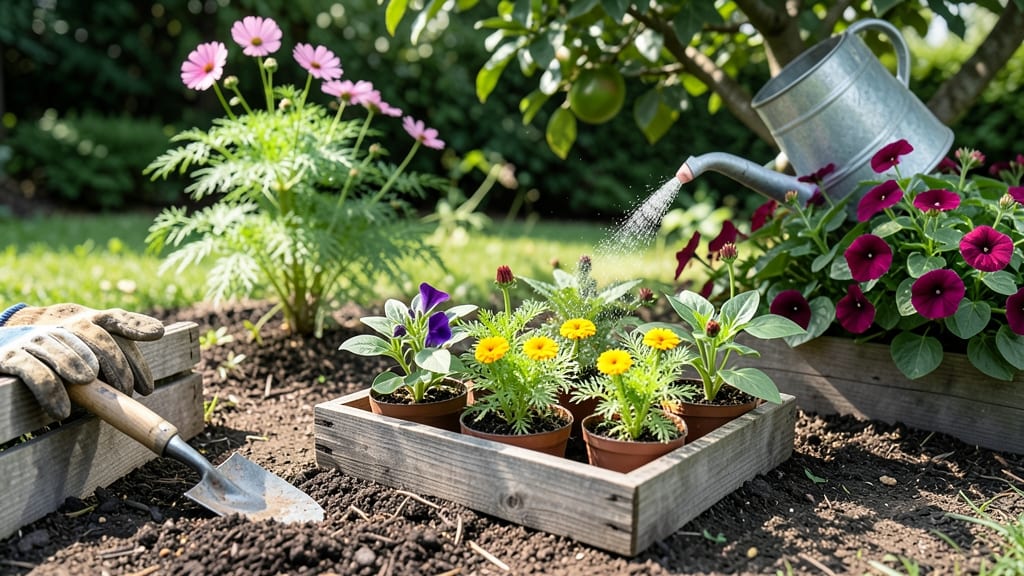
You can plant flowers in Ohio once the soil warms to 50°F and the last frost has passed — typically mid-April to early May, with late-summer replanting in August for fall blooms.
Ohio gardeners know timing is everything—plant flowers too early and frost will kill your blooms, but too late and you’ll miss peak seasonal color. The average last frost date of April 15 is your starting point, but urban heat islands and microclimates can shift that window by 2-3 weeks.
This guide breaks down the exact weeks to plant by Ohio’s USDA zones (5a-6b), whether you’re sowing annuals, perennials, or bulbs. We’ll also cover how to adjust for Ohio’s unpredictable spring weather and extend your growing season safely.
By the end, you’ll know not just when to plant, but how to protect your 🌸 blooms from late frosts, soil temperature surprises, and even container-gardening shortcuts for small spaces.
Ohio flower planting dates by hardiness zone (2024 timeline)
Ohio spans USDA hardiness zones 5a to 6b, meaning your last frost date can vary by 2-3 weeks depending on location. Urban areas like Columbus often warm up faster than rural zones in Appalachia.
To avoid frost damage, I’ve mapped out week-by-week planting windows for annuals, perennials, and bulbs—plus adjustments for Ohio’s unpredictable spring.
Use this guide to plant cool-season flowers (like pansies) 4-6 weeks before your last frost, while warm-season blooms (tomatoes, marigolds) need soil at 60°F+. I’ll also highlight urban vs. rural adjustments—critical for Ohio’s microclimates.
For annual flowers like marigolds or petunias, start seeds 6-8 weeks before your last frost date. In zone 6b, that means mid-February indoors, while zone 5a gardeners should wait until early March. Hardier perennials (e.g., coneflowers) can go in 2-3 weeks before your last frost.
Ohio’s first frost typically hits mid-October in the north but can linger until November in the south. Plant fall-blooming bulbs (like crocuses) by mid-September to establish roots before winter. In urban areas, heat islands delay cooling—adjust planting dates 5-7 days later than rural guidelines.
Pro tip: Use row covers to extend your spring planting window by 2-3 weeks if late frosts threaten. For container gardening, move pots to protected spots at night until soil warms consistently above 50°F. I’ve seen geraniums thrive in containers planted 2 weeks after ground planting dates.
How to adjust planting for Ohio’s unpredictable spring weather
Ohio’s spring weather can be as unpredictable as a toddler’s mood—one day it’s warm enough to plant marigolds, and the next, a late frost sends temperatures plummeting. Cold-sensitive flowers like petunias or impatiens need protection, while hardy perennials like coneflowers can handle a little chill.
The key is flexibility: knowing how to read the forecast, adjust planting dates, and use protective measures to give your garden the best shot at success.
Start by checking the Ohio State University Extension’s frost date maps, which show average last frost dates ranging from April 1-15 in northern Ohio to April 15-30 in the south.
But averages are just guidelines—this year’s last frost could be weeks earlier or later. Microclimates (like urban heat islands or sheltered valleys) also shift planting windows by 1-2 weeks, so observe your own yard’s patterns over time.
- 🌡️ Step 1: Test Soil Temperature – Use a soil thermometer to confirm 50°F+ for most flowers (warmer for tropical varieties like begonias). Cold soil slows root growth, making plants vulnerable to late frosts.
- 🌱 Step 2: Use the “10-Day Rule” – If your forecast shows 50%+ chance of frost in the next 10 days, delay planting heat-loving annuals (e.g., geraniums, zinnias) by 2-3 weeks or use row covers.
- ❄️ Step 3: Layer Protective Strategies – Combine mulch (2-3 inches), cloche tunnels, and frost cloth for high-risk plants. Hardy perennials (e.g., black-eyed Susans) can handle 28°F, but tender annuals need 50°F+ to thrive.
For container gardens, you gain control over microclimates.
Move pots closer to south-facing walls during cool snaps or use heat-absorbing materials like black plastic under containers to warm roots faster. Slow-release fertilizers also help stressed plants recover quicker from temperature swings—apply them at planting to avoid shocking roots with mid-season feeds.
Don’t forget about succession planting! If your first batch of cosmos or sunflowers gets nipped by frost, sow a second round 2-3 weeks later. Choose fast-growing varieties (e.g., bachelor’s buttons) to fill gaps before summer heat sets in.
Track your progress with a gardening journal to refine next year’s timing.
Pro tip: Monitor almanac predictions like the Old Farmer’s Almanac for moon phases—planting during the waxing moon (increasing light) can boost root development, helping seedlings establish faster in Ohio’s variable spring soil.
Pair this with consistent moisture (water at soil level, not overhead), and your flowers will reward you with longer bloom seasons.
When in doubt, start with cold-hardy flowers like pansies, snapdragons, or lupines—they’ll survive light frosts and buy you time to assess conditions. By mid-May, most of Ohio is safe for warm-season bloomers, but always keep a frost cloth on hand until Memorial Day.
Your garden’s resilience depends on it! 🌷