
Planting
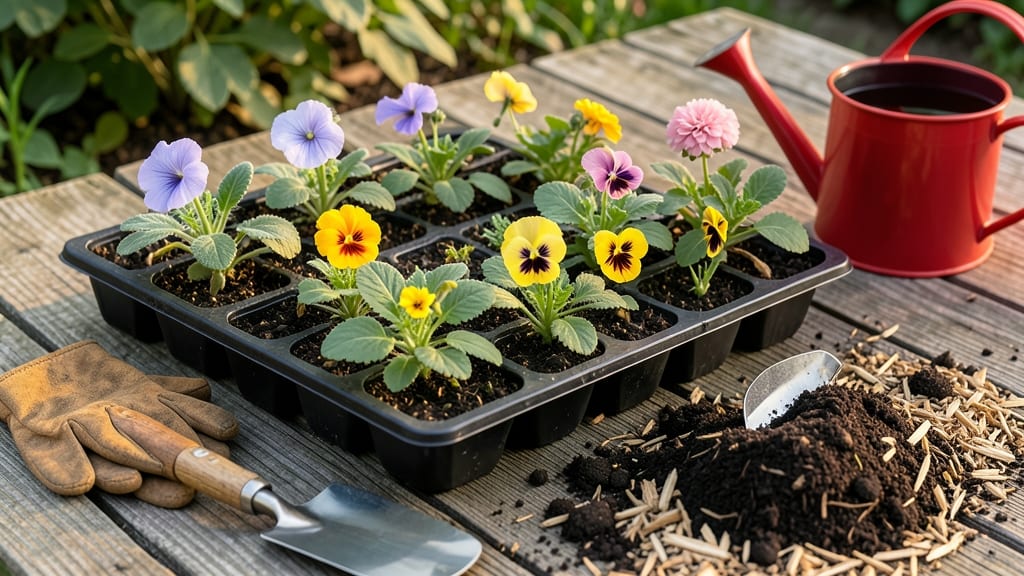
You can plant flowers outside after your last frost date — usually mid-April to early May in most of the U.S., but timing shifts dramatically depending on your zone.
Timing your flower planting just right can mean the difference between a vibrant garden and a sad, wilted disappointment—but knowing your USDA zone makes all the difference.
In Zone 6a, like many northern gardens, flowers like pansies and snapdragons can brave the soil as early as late March, while heat-loving marigolds wait until May. Meanwhile, southern zones like Zone 9 may start as early as February, avoiding the brutal summer heat.
Below, I break down the exact frost-free windows for your region, how to prep soil for different flower types, and which blooms thrive when planted early vs. late in the season.
USDA Zone planting timeline: when to plant flowers outside by region
Getting your flowers planted at the right time ensures vibrant blooms all season long—but the last frost date in your USDA zone determines everything. Whether you're in Zone 3 with harsh winters or Zone 11 with mild winters, timing matters.
Let's break down the ideal planting windows for annuals, perennials, and bulbs across the U.S. so you can start your garden with confidence.
Most gardeners focus on spring planting, but many flowers thrive when planted in summer or fall too. The key is understanding your frost-free period and soil temperatures. For example, cool-season flowers like pansies can handle light frosts, while tender annuals like impatiens need warm soil to thrive.
Let’s explore the best times to plant by zone, including regional variations like the Pacific Northwest’s cool summers or the Deep South’s long growing season.
🌱 Pro Tip: Always check your local frost dates—they can vary by 1-2 weeks even within the same zone. Use the USDA Plant Hardiness Zone Map and your last average frost date as your guide.
In Zones 3-4, where winters are long and cold, focus on early spring planting after the last frost. Cool-season annuals like snapdragons and sweet peas thrive when planted in March or April, while warm-season flowers like marigolds and zinnias should wait until May or June when soil temperatures rise. Fall planting is ideal for perennials like coneflowers and black-eyed Susans, which establish roots before winter.
For Zones 5-6, the growing season stretches longer, allowing for two planting windows: early spring and late summer. Bulbs like tulips can be planted in fall (September-October), while annuals like petunias should go in after the last frost in April. Summer heat can stress tender plants, so succession planting every 2-3 weeks keeps your garden blooming.
Gardeners in Zones 7-8 enjoy a near year-round growing season, but even here, timing matters. Spring planting starts as early as March for cool-hardy flowers, while summer heat-lovers like sunflowers and cosmos can be direct-sown in May or June. Fall planting extends into October, perfect for winter-blooming pansies and spring bulbs.
💡 Regional Tip: In the Pacific Northwest, cooler summers mean late spring planting (May-June) works best for heat-sensitive flowers. Meanwhile, in the Deep South (Zones 8-11), year-round planting
How to adjust flower planting time for your local microclimate
Your USDA zone gives you a starting point, but local conditions can shift planting times by weeks—or even months! I’ve learned that elevation, urban heat islands, and coastal breezes all play tricks on frost dates.
For example, my neighbor in the city plants marigolds a full 2 weeks earlier than me in the suburbs because concrete holds heat longer. Even soil temperature matters more than air temperature—roots need warmth to thrive, not just the air above them.
Don’t overlook historical frost patterns either. Check your local weather station’s records for the last 10 years—you might find frost lingers later than the USDA average. I once planted impatiens too early based on a general zone guide, only to lose them to a surprise late frost.
Pro tip: Use a soil thermometer to confirm when it’s truly safe—60°F is the magic number for most flowers.
- 1 Check elevation adjustments: Add 1°F per 300 feet to frost risk in mountainous areas. High-altitude gardens (like Denver) may need to wait until May 15 for frost-sensitive flowers.
- 2 Adjust for urban heat: Cities stay 5-10°F warmer than rural areas. Plant heat-lovers like lantana or zinnia 2 weeks earlier, but protect tender petunias with shade cloth on hot afternoons.
- 3 Coastal gardens get a head start: Ocean breezes delay frost by 1-2 weeks. In USDA Zone 8 coastal areas (like San Diego), you can plant tender annuals by March 1—but watch for chilly fog surprises.
- 4 Moon phases matter: Plant root crops (like calendula) during the waxing moon for stronger roots, and leafy flowers (like basil) during the waning moon for bushier growth.
- 5 Use frost cloth for flexibility: Extend your planting window by 3-4 weeks with lightweight frost blankets. I’ve successfully planted geraniums in Zone 5 as early as April 1 using this trick.
For fall planting, the rules flip: cooler nights help hardy flowers like chrysanthemums thrive. In Zone 7, I plant pansies by September 15—but if your area has early frosts, wait until October 1.
Always test soil moisture; dry fall soil can stress new plants. A simple stick test (poke a dowel into the ground—if it comes out dry, water first).
Pro tip: Keep a planting journal for 3 years to track your local microclimate’s quirks. Note when volunteer plants (like dandelions) sprout or neighbor’s flowers bloom—nature’s calendar is often more accurate than apps.
I once discovered my Zone 6 garden gets 2 weeks of false summer in late August, perfect for late-season cosmos.
Remember, hardening off seedlings takes 7-10 days, so factor that into your timeline. Start seedlings indoors 6-8 weeks before your adjusted outdoor planting date.
For example, if you’re planting tomatoes (yes, they’re flowers first!) on May 10 in a Zone 5 urban heat island, begin seeds indoors by March 15. The key is gradual acclimation—move pots outside for a few hours daily, increasing time until they’re ready for full sun.
Your garden’s success hinges on these local tweaks. Start with your USDA zone, then adjust for elevation, urban heat, and coastal breezes. Trust your soil thermometer over the calendar, and don’t forget to listen to the plants—they’ll tell you when it’s time. Happy planting! 🌷