
Planting
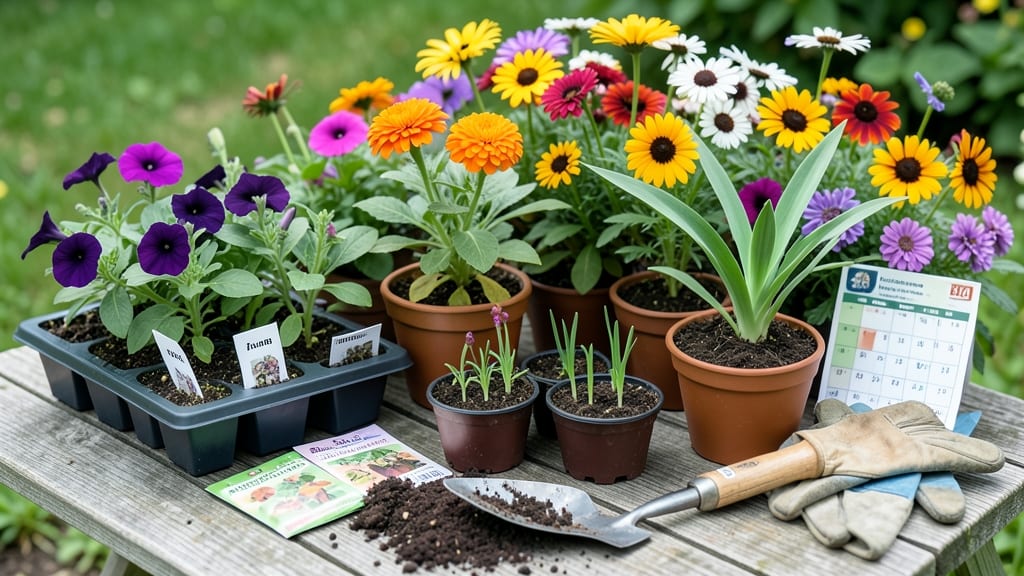
You can plant flowers in Ohio as early as late March in southern zones or wait until mid-May in the colder north, but timing makes all the difference between a showstopping garden and a sad, frost-nipped disappointment.
Ohio’s unpredictable spring weather can leave gardeners wondering: Is it finally safe to plant those annuals and perennials? Timing your flower planting by USDA zone ensures vibrant blooms—not wilted dreams.
In zones 6a-6b, most gardeners aim for two weeks after the last frost date—typically mid-April in the south and early May in the north—but some cold-hardy varieties like pansies or snapdragons can handle an earlier start.
Below, I’ll break down the best planting windows for annuals, perennials, and bulbs, plus pro tips to stretch your season and protect your blooms from late frosts.
Ohio’s USDA zones and last frost dates by region
Ohio spans USDA Zones 5a through 6b, meaning gardeners in the northern hills (like Zone 5a) face earlier frosts than those in southern Cincinnati (Zone 6b). These zones directly impact when you can safely plant annuals, perennials, and bulbs without risking frost damage.
Understanding your zone helps you align planting with Ohio’s average last frost dates, which range from mid-April in the north to early May in the south.
For annual flowers, wait until after the last frost to avoid wilting. Perennials and spring bulbs, however, can often tolerate cooler temps, allowing earlier planting. The key is knowing your microclimate—valleys stay colder longer, while urban areas may warm up faster.
We’ll break down each zone’s frost dates and ideal planting windows for your favorite blooms.
🌱 Ohio’s USDA Zones & Frost Dates Summary
| Zone | Avg. Last Frost | Avg. First Frost | Annuals Planting Window | Perennials Planting Window |
|---|---|---|---|---|
| 5a (Northern OH) | Mid-April | Mid-October | Late May | Early April–Early May |
| 5b (Northeast OH) | Late April | Late October | Early May | Mid-April–Late April |
| 6a (Central OH) | Early May | Early November | Mid-April | Late March–Early April |
| 6b (Southwest OH) | Late April–Early May | Mid-November | Late April | Late March–Mid-April |
In Zone 5a (think Toledo or Youngstown), gardeners should wait until late May to plant heat-loving annuals like marigolds or zinnias. Meanwhile, Zone 6b gardeners in Cincinnati or Columbus can plant petunias or geraniums as early as late April.
Perennials like coneflowers or black-eyed Susans thrive when planted in early spring, even in colder zones, as they establish roots before summer heat arrives.
For spring-blooming bulbs, like daffodils or tulips, plant them in fall (October–November) so they’ll bloom early next spring. Summer-blooming bulbs, such as dahlias, wait until after the last frost—typically May in most zones—to avoid frost damage to tender shoots.
Ohio’s first frost dates also matter for late-season blooms. In Zone 5a, expect frost by mid-October, while Zone 6b may hold off until mid-November. Use this timeline to plan succession planting—sow fast-growing annuals like basil or cosmos in late summer for fall color before frost arrives.
Pro tip: Check your local Cooperative Extension Service for real-time frost alerts, as Ohio’s weather can shift unexpectedly. For example, 2023’s late April frost caught many gardeners off guard—always have row covers ready to protect tender seedlings!
If you’re in a transitional zone (like Zone 5b/6a), err on the side of caution. Plant cold-hardy annuals like pansies or snapdragons in early spring, then follow with heat-tolerant varieties after frost risk passes. This two-phase approach maximizes your bloom time from spring to fall.
🌿 Remember: Soil temperature matters just as much as air temperature. Wait until the ground warms to 50°F (10°C) before planting warm-season flowers like sunflowers or salvia. A simple soil thermometer ($10 at garden centers) saves you from planting
Best flowers to plant by Ohio’s frost dates
Ohio’s frost dates shift dramatically from the southern border (Zone 6b) to the northwest (Zone 5a), which means your planting windows should too. In colder regions like Toledo, you’ll wait until mid-May for warmth-loving annuals, while Cincinnati gardeners can start pansies as early as late March.
The key? Matching flower types to your last frost date ensures vibrant blooms instead of frost-nipped failures.
For early spring (March–April), focus on cold-hardy perennials and bulbs that thrive in chilly soils. These include tulips, daffodils, and bleeding hearts, which can handle light frosts once established.
In late spring (May), you’ll transition to heat-loving annuals like marigolds and zinnias, but only after the soil warms to 60°F.
- Early Spring (March–April): Plant cold-hardy bulbs like tulips and hyacinths (Zone 5a–6b). Perennials such as peony and lupine can go in once soil is workable.
- Late Spring (May): Wait for last frost (Zone 5a: May 15; Zone 6b: April 15) to plant annuals like petunias and geraniums. Vegetable flowers (e.g., nasturtiums) thrive in this window.
- Summer (June–July): Succession plant heat-tolerant annuals like sunflowers and cosmos. Perennials such as black-eyed Susans can be divided for fuller blooms.
- Fall (September–October): Plant bulbs for spring (e.g., crocus) and hardy perennials like asters. Avoid tender annuals after first frost (Zone 5a: Oct 15; Zone 6b: Oct 30).
🌱 Pro Tip: Use row covers to extend early/late seasons by 2–4 weeks.
In Zone 5a (e.g., Cleveland), prioritize tough perennials like coneflowers and shasta daisies, which bounce back from frost. For containers, opt for compact annuals like bacopa or lobelia, which tolerate cooler temps better than sprawling varieties.
For summer blooms, zinnias and marigolds are foolproof choices—they thrive in Ohio’s heat and attract pollinators. Plant them after June 1 for continuous color until first frost.
If you’re in Zone 6b (e.g., Columbus), you can even squeeze in late-season annuals like pansies in September for winter interest.
Don’t forget bulbs! Plant tulips and daffodils in fall (October–November) for spring blooms, while crocus can handle early spring planting. Alliums add drama and are drought-tolerant once established—perfect for Ohio’s variable rainfall.
Timing isn’t just about last frost; it’s also about soil temperature. Use a soil thermometer to confirm 60°F for annuals and 50°F for perennials before planting. Mulch with straw or shredded leaves to insulate roots and keep blooms coming all season.