
Flowers
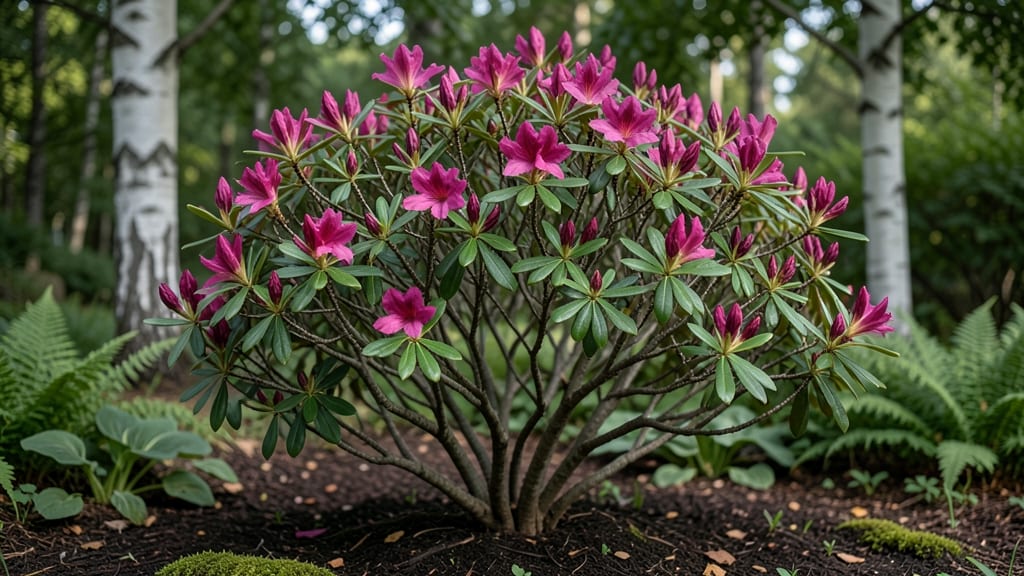
Azaleas flower in late winter through spring 🌸, with exact timing depending on your USDA zone and the variety you grow.
Timing your azalea blooms right can mean the difference between a breathtaking spring display and missed beauty—here’s exactly when (and how) azaleas flower by region and variety.
In Zone 6a, like where I garden, most azaleas burst into color between mid-April and early May, while Southern varieties may start as early as February. Meanwhile, late-blooming types can stretch the show until June.
Below, I’ll break down how to predict your azalea’s bloom window, regional differences, and 5 pro tips to encourage vibrant, on-time flowers every year.
Azalea flowering seasons by USDA hardiness zone: exact timing for your region
Timing your azalea blooms right can mean the difference between a breathtaking spring display and missed beauty. Azaleas are deciduous or evergreen shrubs that primarily bloom in spring or early summer, but their exact timing varies dramatically by USDA hardiness zone and regional microclimates.
In warmer southern zones, azaleas often flower as early as February or March, while in colder northern zones, blooms may not appear until May or June. Understanding these patterns helps you choose the right varieties for your garden and plan for their stunning displays.
Northern gardeners in USDA Zones 4-6 typically see azalea blooms in late spring, often aligning with last frost dates to avoid frost damage. Meanwhile, gardeners in Zones 7-10 may enjoy multiple bloom cycles—some varieties even flower in fall or winter in milder climates.
Microclimates like urban heat islands or coastal areas can shift bloom times by 2-4 weeks, so local observations matter just as much as zone guidelines.
Here’s the exact breakdown of azalea flowering seasons across USDA zones, including key differences between Southern and Northern bloomers and how to adjust your expectations based on your location.
In USDA Zones 4-5, azaleas typically bloom in late May or early June, just as summer begins. This timing ensures blooms avoid late spring frosts, which can damage delicate azalea flowers.
Northern gardeners should choose hardy evergreen varieties like 'Girard’s Pink' or 'Hino Crimson', which thrive in cooler climates. These varieties often produce larger, more vibrant blooms in response to longer daylight hours, making them ideal for late-spring garden displays.
Gardeners in Zones 6-7 enjoy a broader bloom window, often from mid-April through May. This range allows for early, mid, and late-blooming varieties to extend your garden’s color season. For example, 'Bow Bells' typically blooms in early April, while 'Coral Bells' may not peak until late May.
In these zones, microclimates play a huge role—coastal areas may see blooms 2 weeks earlier than inland gardens due to milder winters and slower cooling in fall.
Southern gardeners in Zones 8-10 have the advantage of earlier and sometimes year-round blooms. In Zone 8, you might
Early vs. late blooming azalea varieties: which type flowers first?
Azaleas are famous for their vibrant spring blooms, but not all varieties burst into color at the same time. Early bloomers like Rhododendron 'Girard’s Pink' often start flowering in late winter, while late bloomers like Rhododendron 'Hino Crimson' wait until mid-spring.
This timing difference lets you create a sequential color display that keeps your garden stunning for weeks. Understanding these differences helps you plan your landscape for maximum impact.
Most azaleas bloom between March and June, but some varieties push these boundaries. Fall-blooming azaleas, like Rhododendron 'Indigo', even offer a second show in September or October.
By mixing early, mid, and late varieties, you can stretch your garden’s seasonal color from late winter through early summer—or even into fall. This strategy is especially useful in USDA Zones 6-9, where mild winters allow for extended blooming seasons.
🌸