
Flowers
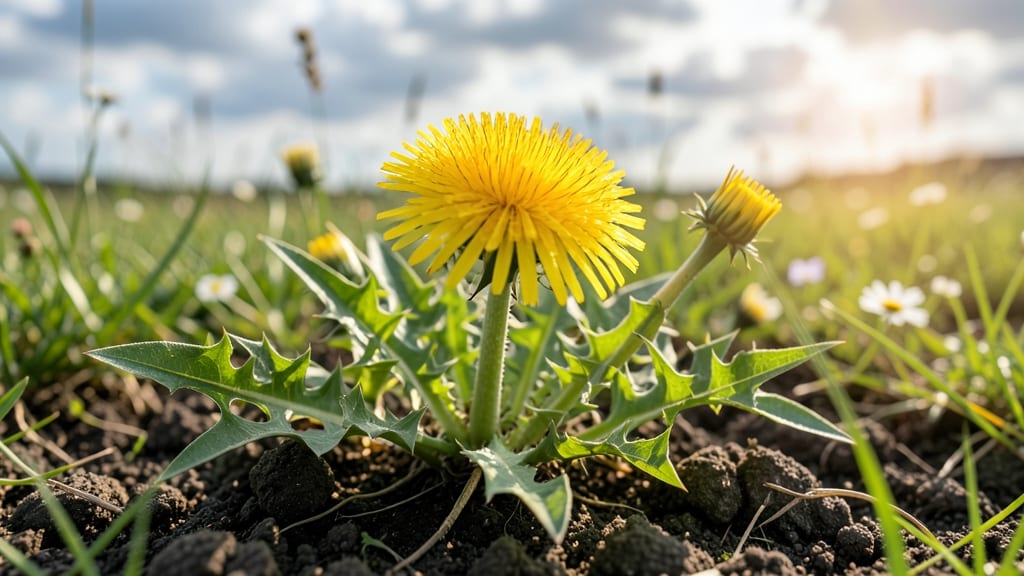
Dandelions flower when temperatures rise and days lengthen, typically between late March and June in most of the U.S., with a second, smaller wave in fall.
If you’ve ever wondered why these bright yellow blooms 🌼 seem to appear overnight—only to vanish just as suddenly—timing is everything. These hardy perennials follow a precise seasonal rhythm, and understanding their bloom cycle can help you control them (or even harness their benefits).
In USDA Zone 6a, where many gardeners live, dandelions usually kick off their main flowering push in early spring, peaking by May. Warmer zones see blooms as early as February, while cooler regions may delay until June.
Below, I’ll break down exactly when to expect those cheerful faces in your yard, what triggers their bloom, and how you can time your lawn care for maximum impact.
Dandelion flowering timeline by USDA hardiness zones
Dandelions (Taraxacum officinale) thrive across USDA zones 3-11, but their flowering timing shifts dramatically depending on climate. In warmer zones (8-11), they often bloom year-round, while cooler zones (3-6) see tight seasonal windows.
Understanding these patterns helps gardeners time control efforts or even harvest dandelion greens and flowers at peak freshness.
Climate plays the biggest role in bloom timing. Southern regions (zones 8-11) experience longer growing seasons with earlier spring blooms and late fall reblooms. Meanwhile, Northern zones (3-6) have shorter windows tied to soil warmth and daylight hours.
Even within a zone, microclimates—like urban heat islands—can shift blooms by weeks.
🌱
| USDA Zone | Primary Bloom Window | Secondary Blooms | Notes |
|---|---|---|---|
| 3-4 | Late May - July | None (dormant winter) | Shortest season; blooms after soil reaches 50°F |
| 5-6 | April - June | September (brief) | Spring blooms peak with daylight increase |
| 7 | March - May | August - October | Warmer winters allow fall blooms |
| 8 | February - April | September - November | Mild winters enable year-round growth |
| 9-10 | January - December | Continuous | Peak blooms in spring/fall; sparse summer |
| 11 | Year-round | N/A | Tropical climates; minimal seasonal change |
In the Pacific Northwest (zones 7-9), dandelions often bloom earlier in spring (March) due to mild winters and consistent rainfall. However, late summer droughts can delay fall blooms.
Conversely, in the Deep South (zones 8-11), they may flower year-round, with peak blooms in winter when temperatures dip below 90°F.
Daylight hours also trigger blooming. Dandelions are long-day plants, meaning they flower when days exceed 12-14 hours. In Northern zones (3-6), this aligns with late spring, while Southern zones (8-11) see blooms year-round because daylight rarely drops below this threshold.
Soil temperature matters too. Dandelions won’t bloom until soil reaches 50-55°F. In zone 5, this typically happens by late April, while zone 9 may see blooms as early as February. Gardeners in cooler climates can accelerate blooming by mulching to warm soil faster.
🌿
Regional case studies highlight these patterns. In Seattle (zone 8), dandelions bloom March-May and September-November, while Miami (zone 11) sees them year-round with heaviest blooms in winter. Even within a city, urban heat islands can shift blooms by 2-4 weeks compared to rural areas.
For gardeners aiming to control dandelions, timing is critical. Apply pre-emergent herbicides in early spring (before blooms appear) in zones 3-6, but shift
Key factors that trigger dandelion blooming (and how to delay or encourage it)
Dandelions (Taraxacum officinale) are masters of adaptability, using environmental cues to time their blooms with precision. While they often appear randomly, their flowering cycles are tightly linked to sunlight exposure, soil temperature, and day-length sensitivity.
Understanding these triggers lets you strategically manage their growth—whether you want to suppress them in your lawn or encourage blooms for seed harvesting.
One of the biggest misconceptions is that dandelions bloom randomly. In reality, they follow a photoperiodic response, meaning their internal clock responds to changing daylight hours. This is why you’ll see them pop up in early spring and again in fall, when days are shorter.
By manipulating these factors, you can either delay blooms to prevent seed spread or encourage early flowering for medicinal or culinary use.
🌱 How to Control Dandelion Blooming
- 🌞 Sunlight: Dandelions need 6+ hours of direct sun to bloom. Shade them with mulch or taller plants to delay flowering.
- 🌡️ Soil Temp: Blooms trigger when soil reaches 50°F+. Cool-season mulching (straw) can slow root warming.
- 💧 Moisture: Consistent watering encourages blooms. Drought stress delays flowering—ideal for suppression.
- ⏰ Day Length: Short days (12 hours of light) signal fall blooms. Use blackout cloth to extend "night" for delayed blooming.
- ✂️ Mowing: Cutting before buds form (3-4 inches tall) prevents blooms. Repeat weekly for suppression.
For gardeners aiming to delay blooming, focus on reducing sunlight and soil warmth. Apply a thick layer of organic mulch (like wood chips) in late winter to insulate roots and keep soil cooler.
Pair this with regular mowing—cutting dandelions at 3-4 inches tall before buds form prevents energy from being diverted to flowering. This is especially effective in early spring when temperatures are still cool.
If you’re harvesting dandelion seeds or greens, you’ll want to encourage early blooming. Start by ensuring full sun exposure and consistent moisture—dandelions bloom faster in well-draining, nutrient-rich soil. For a head start, apply a light fertilizer (5-10-10 NPK) in early spring to boost growth.
In cooler climates (USDA Zones 3-5), consider using a cloche or row cover to warm soil and trigger earlier blooms.
Timing is also critical when using pre-emergent herbicides for dandelion control. Apply these in early spring (before buds form) or late summer (to prevent fall blooms).
Post-emergent herbicides work best when applied to young, actively growing dandelions—avoid treating mature plants with seed heads, as this can spread seeds before the herbicide takes effect.
Pro tip: Dandelions are day-neutral, meaning they can bloom year-round in ideal conditions. However, extreme heat or drought will force them into dormancy.
By monitoring soil moisture and temperature, you can predict bloom cycles and stay one step ahead—whether you’re battling them in your lawn or cultivating them for tea or salads. 🌼