
Plants
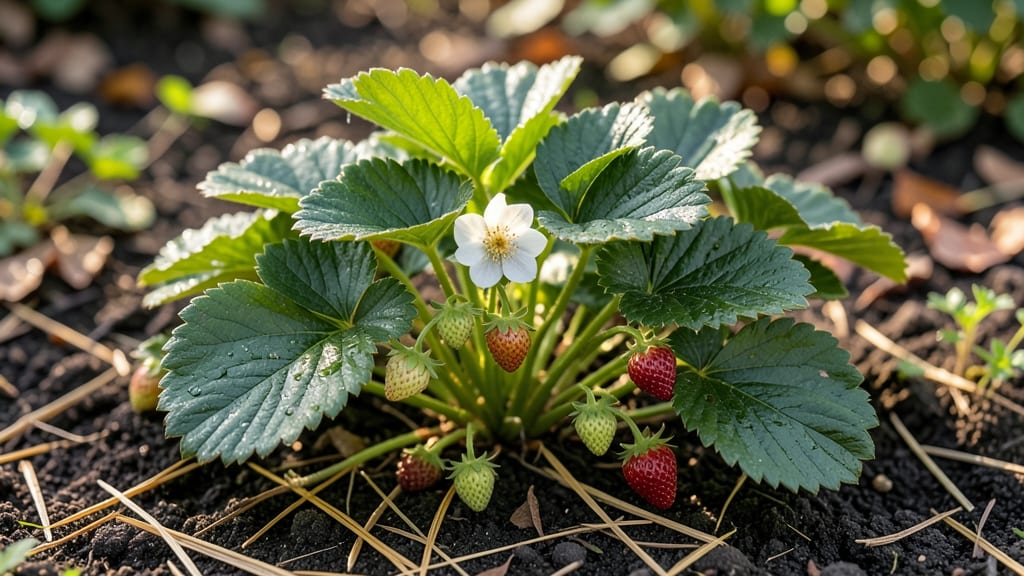
Strawberry plants flower when they have 5-7 mature leaves—not when they're a certain age, which means your first-year plants can bloom just as early as second-year ones if conditions are right.
Wondering when your strawberry plants will finally produce those sweet, juicy berries? The answer lies in their leaves—not their age—and understanding this simple trick can help you predict blooming time with surprising accuracy.
June-bearing varieties often flower in spring, while everbearing and day-neutral types may produce multiple harvests throughout the season. But temperature swings, sunlight, and even soil moisture can push that timeline earlier or later.
Below, I’ll break down how to read your plants’ leaf count, the key factors that speed up or delay blooms, and the most common mistakes that keep strawberries from flowering at all.
How to predict strawberry flowering time using leaf count
Strawberry plants reveal their flowering timeline through their leaves—not their age. This simple leaf-count method helps you predict when those delicate white blooms will appear, whether you're growing June-bearing, everbearing, or day-neutral varieties. Understanding this trick saves time and prevents frustration when your plants seem to delay fruiting.
The key is counting the number of mature leaves (leaves with a visible white center) before the first flower appears. Each strawberry type has its own pattern, and climate zones can shift these timelines slightly.
For example, a June-bearing plant typically flowers after 5-7 leaves, while everbearing varieties may bloom earlier with just 3-5 leaves. This method works best when applied in spring or early summer, when plants are actively growing.
| Variety | Leaf Count Before Flowering | Typical Bloom Window | Climate Adjustment |
|---|---|---|---|
| June-bearing | 5-7 mature leaves | Late spring (May-June) | Warmer zones (8+): 1-2 weeks earlier |
| Everbearing | 3-5 mature leaves | Spring + fall (April-July) | Cooler zones (5-6): Delay by 2-3 weeks |
| Day-neutral | 4-6 mature leaves | Continuous (spring-fall) | Short-day zones: May produce fewer blooms |
To use this method, start counting leaves from the oldest leaf (closest to the crown) until you reach the youngest mature leaf. For example, if you're growing Chandler June-bearing strawberries, wait until the plant has 5-7 leaves before expecting flowers.
In Zone 6a, this usually happens in late April to early May, but in Zone 9a, you might see blooms as early as March.
For everbearing varieties like Seascape, the leaf-count method predicts two bloom cycles: the first in spring (after 3-5 leaves) and a second in fall (after new growth appears). Day-neutral types, such as Albion, produce flowers continuously throughout the growing season, typically after 4-6 leaves.
This makes them ideal for container gardening or extended harvests.
Climate plays a crucial role in adjusting these timelines. In warmer zones (8-10), strawberries may flower 1-2 weeks earlier because longer daylight hours trigger blooming sooner. Conversely, in cooler zones (4-6)2-3 weeks due to slower growth.
If you're in a transition zone (7), monitor leaf count closely and be prepared for variable timing.
One common mistake is assuming all strawberries follow the same pattern. June-bearing varieties, for example, produce one massive bloom in spring, while everbearing and day-neutral types have multiple smaller blooms.
If your June-bearing plant has 7 leaves but no flowers, check for stress signs like yellowing leaves or pests, which can delay blooming. In everbearing types, removing the first bloom can encourage larger fall fruit.
Pro tip: Use a small plant marker to label each variety and track leaf counts. Take a photo every 2 weeks to compare progress.
For instance, if your day-neutral strawberries in Zone 7 have 6 leaves but no flowers by June, they may need more sunlight or balanced fertilizer to kickstart blooming. Adjust care based on your observations.
Understanding this leaf-count method transforms guesswork into predictable planning. You'll know exactly when to expect those first delicate blooms and can prepare for harvest season with confidence. Whether you're a beginner gardener or a seasoned grower, this trick ensures you never miss the perfect timing for strawberry blooms.
Ready to put this into action? Grab a notebook, start counting those leaves, and get ready for a bountiful harvest! 🌱🍓
Key factors that delay or speed up strawberry flowering
Strawberry flowering isn't just about time—it's a delicate balance between environmental conditions and care practices. While some varieties flower reliably, others need the right temperature triggers and light exposure to bloom. Understanding these factors helps you accelerate flowering or prevent delays caused by common gardening mistakes.
For example, June-bearing strawberries often wait until their second year to flower, but everbearing varieties can produce blooms in the first year if given ideal conditions. The key is recognizing how each factor—from soil nutrients to watering schedules—interacts with your plants' natural growth cycle.
- Temperature: Strawberries need chilling hours (300-500) in winter (USDA Zones 5-8). Too little chilling delays blooms, while warm spring nights (50-60°F) trigger flowering.
- Sunlight: 6+ hours of direct sun daily is critical. Shade reduces flower production by up to 40%**. Move plants to sunnier spots if growth stalls.
- Watering: Consistent moisture (1 inch/week) prevents stress. Drought or overwatering can cause buds to drop. Water at soil level, not leaves, to avoid fungal issues.
- Soil Conditions: Slightly acidic soil (pH 5.5-6.8) with rich organic matter supports flowering. Test soil annually—low phosphorus (P) stalls blooms.
- Fertilization: Over-fertilizing with nitrogen (N) promotes leafy growth but delays flowers. Use a balanced 10-10-10 fertilizer in early spring and after harvest.
- Pruning: Remove old leaves after harvest to redirect energy to new growth. Avoid heavy pruning in fall—it can prevent next year’s blooms.
One of the biggest misconceptions is that strawberries flower based on age alone. In reality, stress from poor conditions can delay blooms for years. For instance, if your plants receive less than 5 hours of sun, they may produce only a few weak flowers—or none at all.
To speed up flowering, focus on spring preparation. Start by amending soil with compost in early spring, then apply a low-nitrogen fertilizer once new leaves appear. Mulch with straw to retain moisture and regulate soil temperature—both critical for consistent blooming.
If your strawberries still refuse to flower, check for disease or pests like spider mites or powdery mildew, which weaken plants. Healthy foliage is the foundation for abundant blooms. With the right conditions, you’ll see flowers within 6-8 weeks of planting (everbearing varieties) or by early summer (June-bearing).