
Flowers
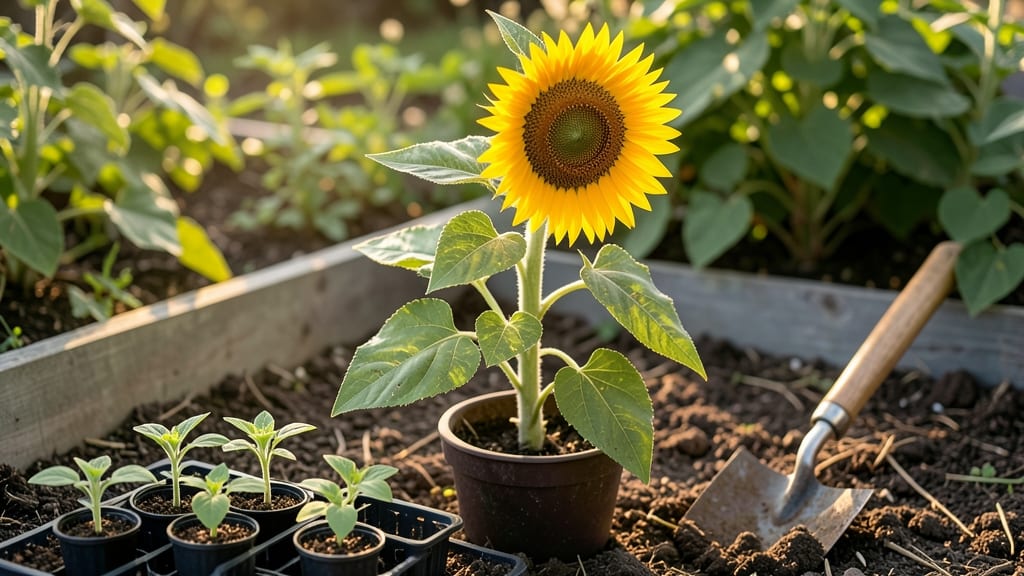
Planting sunflowers in Texas at the right time means the difference between towering 🌻 blooms and wilted disappointment before they even open.
You’ve probably heard that sunflowers love heat—but Texas heat arrives early, and planting too soon can leave your seeds struggling against late frosts. The key is timing: sow seeds in mid-February to early July, with the best window being May through June before summer’s brutal peak.
Texas gardeners know the drill: North Texas has a later frost date than South Texas, and heat-resistant varieties like 'Russian Giant' or 'Autumn Beauty' handle the extremes better than others. Below, I’ll break down the exact months for your region, plus the varieties that thrive when temperatures soar.
Ready to grow sunflowers that reach their full potential? You’ll learn how to adjust for your specific zone, choose the right seeds, and keep them blooming even in 100°F+ heat.
Best months to plant sunflowers in Texas by region (heat zones 8-11)
Texas gardeners know sunflowers love the heat—but timing is everything. Plant too early, and you risk late-spring frosts in North Texas. Plant too late, and summer heat waves can stress young seedlings before they bloom.
The key is matching your USDA zone with Texas's three distinct regions (North, Central, South) and their unique frost patterns.
In North Texas (Zones 8a-8b), where last frosts linger until mid-March, I recommend starting seeds indoors by February 1 or direct-sowing after April 15.
Central Texas (Zones 8b-9a) has a longer growing window, allowing March to June plantings, while South Texas (Zones 9b-11) can sow year-round with peak success from February to September.
Here’s the region-by-region breakdown of ideal planting windows, accounting for heat tolerance and succession planting for extended blooms:
For North Texas, I prioritize early spring plantings (March–April) to avoid late frosts that can kill tender seedlings. If you miss this window, succession plant in late June for fall blooms—just be prepared to water deeply as summer heat intensifies.
Central Texas gardeners have the most flexibility thanks to milder winters. I recommend two planting waves: the first in late February to April for summer blooms, and a second in early July to enjoy fall flowers before the first frost in December.
This double strategy ensures sunflowers in your garden for 6+ months.
In South Texas, where frost is rare, you can plant year-round. However, I focus on February to September for optimal results. Late summer plantings (August–September) thrive with consistent afternoon shade and drip irrigation to combat 100°F+ temperatures.
Pro tip: Moulin Rouge and Russian Giant varieties handle heat best in this region.
Regardless of your Texas region, soil temperature is critical. Sunflower seeds need soil at 55°F (13°C) to germinate. Use a soil thermometer to test before planting—if it’s cooler, wait or use black plastic mulch to warm the soil faster. In North Texas, this often means waiting until mid-April.
For extended blooms, I practice succession planting every 2–3 weeks from spring through early summer. This creates a continuous display of sunflowers in your garden. In Central and South Texas, add a second round in late summer (August) for fall color before frost arrives.
One common mistake? Planting sunflowers too close to summer’s peak (June–July in North Texas). Young plants struggle with heat stress and drought. Instead, I recommend late May plantings in North Texas—this gives seedlings time to establish roots before July’s scorching heat.
To maximize success, pair your planting timeline with heat-resistant varieties like 'Autumn Beauty' (tolerates heat and drought) or <
Top 5 heat-resistant sunflower varieties for Texas gardens
Texas’s scorching summers can turn sunflowers into wilted shadows—but not with the right varieties. I’ve grown dozens of sunflowers in 100°F+ heat and these five heat-resistant champions consistently deliver vibrant blooms even when other varieties struggle. Their drought tolerance and disease resistance make them perfect for Texas gardens.
For giant blooms, Moulin Rouge reaches 16 feet tall with 12-inch-wide burgundy petals that thrive in heat. If you prefer multi-colored displays, Autumn Beauty produces brown, yellow, and red blooms that last longer in summer’s peak. Both varieties outperform standard types in USDA Zones 8-10b.
Here’s how these varieties rank for Texas conditions—from drought tolerance to bloom size—so you can pick the best fit for your garden:
Russian Giant is my top pick for Texas heat zones because it handles 110°F+ with ease while still reaching 12-14 feet. Its thick stems resist wind damage, and it bolts faster than most varieties—ideal for late-summer plantings when temperatures peak. I’ve seen it flower in 60 days even when planted in July.
For smaller spaces, Teddy Bear is a dwarf variety that stays under 5 feet tall while still withstanding drought. Its golden-yellow blooms attract pollinators and last longer than standard sunflowers in Texas heat.
Pair it with Lemon Queen for a bright citrus contrast—both thrive in well-draining soil and minimal water.
Pro tip: Mulch heavily around the base of these varieties to retain moisture during Texas’s brutal summers. I use straw mulch because it breaks down slowly and keeps roots cool.
Water deeply once a week at the soil level (not the leaves) to prevent fungal issues like powdery mildew.
These heat-resistant varieties aren’t just survivors—they’re showstoppers. Plant them in full sun with well-amended soil, and you’ll enjoy months of blooms even when your neighbors’ sunflowers fizzle out in the heat. 🌻