
Flowers
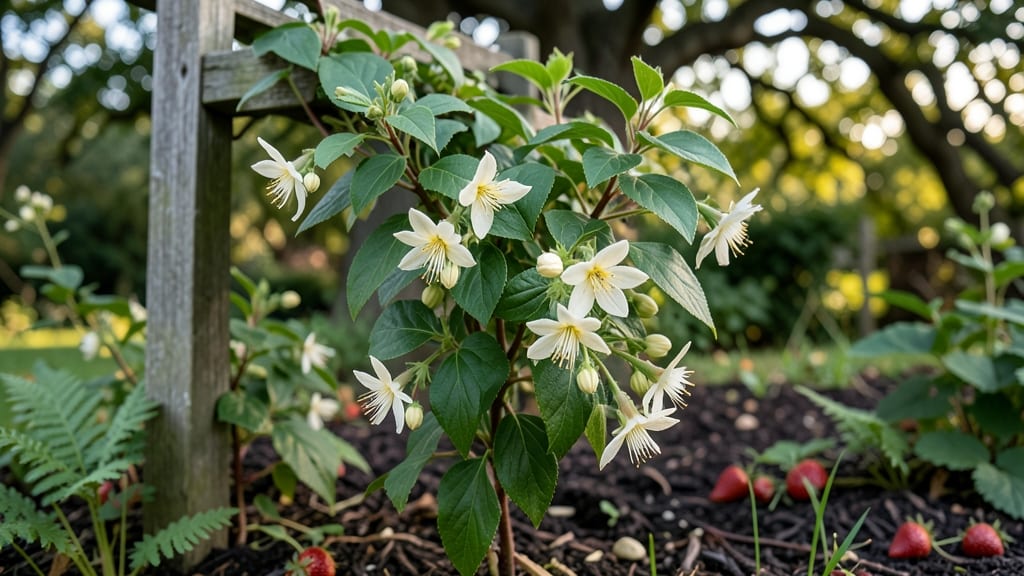
Honeysuckle flowers bloom in spring and summer, but the exact timing depends on your USDA zone, variety, and climate—so if your 🌸 vine is still bare, you might just need to adjust your expectations.
Picture this: You’ve planted your honeysuckle in March, watered it religiously, and even pruned it back—yet by June, there’s still no sign of those sweet, fragrant clusters.
That’s because some varieties, like the trumpet honeysuckle (Lonicera sempervirens), burst into bloom as early as late spring, while others, such as Lonicera japonica, wait until summer’s heat kicks in.
In USDA Zone 6a, where many gardeners live, honeysuckle typically flowers between June and September, but cooler climates can push blooms later, and heatwaves might bring them on sooner. The key? Choosing the right cultivar for your region and giving it the sunlight it craves—full sun, to be exact.
Below, I’ll break down the exact blooming windows by zone, the signs your honeysuckle is ready to flower, and the simple tricks—like deadheading or fertilizing at the right time—to coax those fragrant blooms out faster.
USDA zone blooming calendar: when honeysuckle flowers by region
Timing matters when it comes to honeysuckle blooms—this fragrant vine thrives on seasonal cues, and your USDA zone dictates when to expect those iconic tubular flowers.
Whether you're growing Lonicera sempervirens (trumpet honeysuckle) or Lonicera japonica (Japanese honeysuckle), understanding regional variations helps you plan for peak fragrance and color. In colder zones like USDA 3-5, blooms often arrive later, while warmer zones 7-10 may see multiple flushes throughout summer.
Climate plays a surprising role—late spring frost can delay blooms in USDA 6-7, while summer heatwaves might trigger early flowering in USDA 8-10. Even the same variety can bloom 2-4 weeks earlier in coastal areas compared to inland regions.
To maximize your honeysuckle's potential, align your expectations with your zone's typical last frost date and local microclimates.
| USDA Zone | Primary Variety | Bloom Window | Peak Months | Notes |
|---|---|---|---|---|
| 3-4 | Lonicera tatarica | Late June - August | July | Cold-hardy; blooms after frost risk passes |
| 5-6 | Lonicera periclymenum | May - July | June | Early bloomer; sensitive to late frost |
| 7-8 | Lonicera sempervirens | April - June | May | Evergreen; blooms spring to early summer |
| 9-10 | Lonicera japonica | March - November | May, August | Tropical; multiple bloom cycles |
In USDA zones 3-4, honeysuckle like Lonicera tatarica waits until late June to bloom, often triggered by consistent 60°F soil temperatures.
These northern varieties prioritize survival over early flowering, so don’t be surprised if your vine stays bare until summer’s heat builds. Deadheading spent blooms in these zones can encourage a second flush in August, though results vary by location.
Gardeners in USDA zones 5-6 enjoy the sweet spot for classic honeysuckle varieties like Lonicera periclymenum, which typically bloom from May through July. The key here is late spring frost dates—if frost lingers past April 15, delay pruning until after May 1 to protect emerging buds.
In these zones, morning sun exposure (6+ hours) is critical for consistent blooming.
For those in USDA zones 7-8, Lonicera sempervirens (trumpet honeysuckle) steals the show with its April-June blooming window. This evergreen variety thrives in humid climates and may produce secondary blooms in fall if given proper care.
Prune lightly after the first bloom cycle to encourage new growth—just avoid cutting back more than 1/3 of the vine at once.
Warmer USDA zones 9-10 offer the most flexibility, with Lonicera japonica potentially flowering from March through November. These tropical varieties often produce two peak bloom periods: spring (March-May) and late summer (August-September).
In these zones, consistent moisture (1-1.5 inches per week) is more important than frost protection, though afternoon shade helps prevent heat stress.
Regional microclimates can shift bloom times by 2-4 weeks. Coastal areas in USDA 7 may see honeysuckle bloom 3 weeks earlier than inland counterparts due to milder winters. Similarly, urban heat islands can trigger earlier flowering in cities like Chicago (USDA 5) compared to rural areas.
Always observe your plant’s cues—leaf color changes and bud swelling are reliable indicators of impending blooms.
To extend your honeysuckle’s blooming season, try these zone-specific tips: In USDA 3
How climate affects honeysuckle flowering: early vs. late Bloomers
Honeysuckle varieties are famous for their fragrant blooms, but their flowering windows can vary dramatically based on climate. Some varieties, like Lonicera periclymenum (common honeysuckle), burst into bloom in late spring, while others, such as Lonicera tatarica (Tartarian honeysuckle), wait until summer.
These differences aren’t random—they’re shaped by temperature cues, daylight hours, and even rainfall patterns in your region.
The key to understanding your honeysuckle’s blooming schedule lies in its native growing conditions. Spring-blooming types often originate from cooler climates, where they rely on chilling hours (a period of cold temperatures) to trigger flowering.
Meanwhile, summer-blooming varieties may need longer daylight exposure or warmer temperatures to kickstart their blooms. Without the right conditions, your honeysuckle might just sit there—green and leafy—while its neighbors burst into color.
Here’s what you need to know about how climate influences honeysuckle flowering, plus actionable tips to extend your bloom season:
-
1. Spring Bloomers (e.g., Lonicera periclymenum)
Peak bloom: April–June. Thrives in USDA zones 4–8. Needs chilling hours (300–600) to flower. -
2. Summer Bloomers (e.g., Lonicera tatarica)
Peak bloom: June–August. Prefers warmer zones (5–9) and longer daylight to trigger blooms. -
3. Frost Delays Blooms
Late frosts (below 28°F) can damage buds or delay flowering by 2–4 weeks. -
4. Heatwaves Advance Blooms
Temperatures above 90°F can cause early blooming or bud drop in heat-sensitive varieties. -
5. Rainfall Matters
Drought stress can reduce blooms, while excess moisture may cause fungal issues that weaken flowers.
If your honeysuckle isn’t flowering on schedule, don’t panic. You can adjust care practices to nudge your plant into blooming. For spring bloomers, ensure they get enough winter chill (mulch heavily in fall) and prune after flowering to encourage next year’s buds.
For summer varieties, focus on consistent moisture and protection from late frosts—use frost cloth if needed.
To extend the blooming season, try deadheading spent flowers regularly. This encourages new blooms and can push your honeysuckle to flower 2–3 weeks later than usual. Pair this with a balanced fertilizer (like 10-10-10) in early spring to give your vine the nutrients it needs for prolonged flowering.
Just remember: over-fertilizing with nitrogen can lead to lush leaves but fewer flowers.
Climate isn’t just a backdrop for honeysuckle growth—it’s the director of the show. By understanding your local conditions and choosing the right variety, you can turn your vine into a year-round fragrance machine, with blooms appearing in waves from spring through summer.
The key is observation and adaptation—watch your plant’s cues, adjust care as needed, and enjoy the sweet rewards of a well-timed bloom! 🌸