
Planting
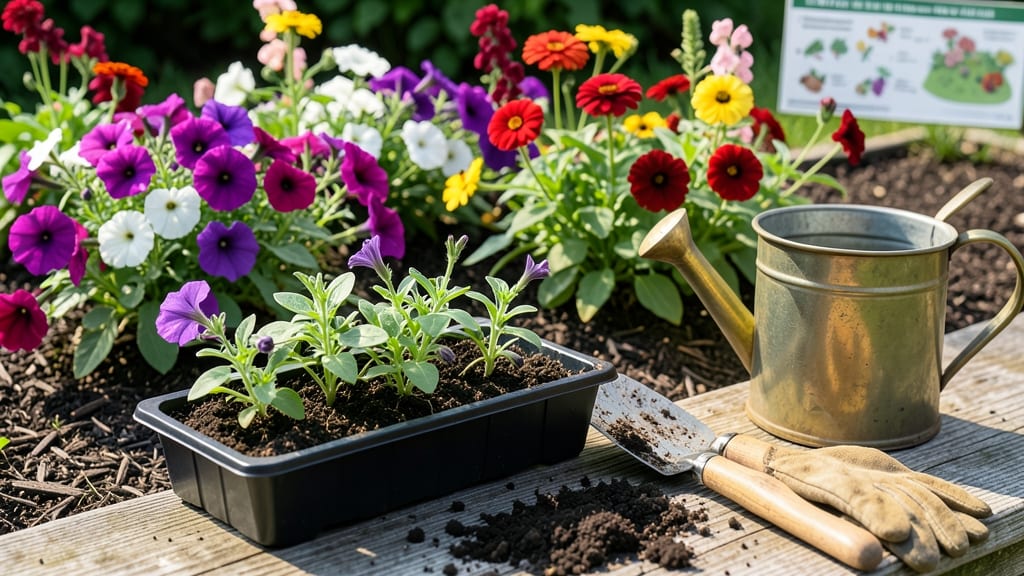
The best time to plant flowers outside depends on your last frost date — typically after April 15 in Zone 6a — when soil warms to at least 60°F (15°C).
Timing your flower planting just right can mean the difference between vibrant blooms and wilting disappointment—especially when frost sneaks in unexpectedly. I’ve seen thriving gardens turn into sad, brown patches overnight because of a late freeze, and you can avoid that with the right deadlines.
Whether you’re planting annuals for summer color or perennials that return year after year, the rules change based on your climate zone. Some flowers, like pansies, handle cooler soil, while heat-lovers like zinnias need warmth to take off.
I’ll break down the exact windows for your area, plus how to adjust if your spring runs late.
By the end, you’ll know not just when to plant, but how to prep your soil, choose the right flowers for your zone, and even salvage early mistakes. Let’s get those 🌸 blooms growing strong!
Best planting times by USDA climate zones: frost-free deadlines for annuals and perennials
Planting flowers at the right time ensures they thrive and bloom spectacularly, but the exact timing depends on your USDA climate zone and whether you're planting annuals or perennials.
In colder zones like 3-5, frost can linger until late May, while warmer zones like 8-10 may have frost-free windows as early as February or March. Even within a zone, microclimates—like coastal areas or inland valleys—can shift planting deadlines by 2-4 weeks.
Annuals, like marigolds or zinnias, need to be planted after your last frost date to avoid damage, while perennials like coneflowers can often handle early spring or fall planting. Below, I’ve broken down the frost-free deadlines for each zone, including adjustments for coastal vs. inland planting.
Use these as your planting guide to maximize bloom time and avoid frost-related setbacks.
🌱
In Zones 3-4, where frost can linger until May, I recommend waiting until late May or early June to plant heat-loving annuals like petunias or sunflowers. For perennials, early spring or fall planting works best—just ensure the soil is workable and not waterlogged.
In these zones, coastal areas (like Seattle or Portland) often see frost 2 weeks earlier than inland regions, so adjust accordingly.
For Zones 5-6, which include much of the Midwest and Northeast, aim to plant annuals after mid-May.
This gives seedlings time to establish roots before summer heat arrives. Perennials can handle late March or early April planting in these zones, but avoid planting too early if the ground is still frozen. Inland areas (like Chicago) may have 1-2 weeks later frost dates than coastal spots (like Boston).
Gardeners in Zones 7-8—think Atlanta or San Francisco—can start planting annuals as early as late April, but always check your local frost dates. These zones are ideal for fall planting too, especially for cool-season flowers like pansies.
Inland areas (like Phoenix) may need to wait until May for heat-sensitive varieties, while coastal zones (like San Diego) can plant year-round with minimal frost risk.
If you live in Zones 9-10, frost is rarely a concern, but summer heat can be. Plant annuals in January or February to beat the worst of the heat, and perennials in fall or early spring.
Desert climates (like Las Vegas) benefit from fall planting to avoid extreme summer temperatures, while coastal areas (like Los Angeles) can plant almost any time.
Pro tip: Use a soil thermometer to confirm soil temperatures are at least 60°F (15°C) before planting. For annuals, this ensures seeds germinate properly, while perennials need warmer soil to establish strong roots.
If your soil is too cold, wait another 1-2 weeks or use row covers for early planting.
🌿
Remember, these are general guidelines. Always check your local weather forecasts and consider microclimates in your garden. For example, a south-facing slope warms up faster than a north-facing shady spot, so you might plant 1-2 weeks earlier in sunny areas.
By following these zone-specific deadlines, you’ll give your flowers the best chance to thrive and bloom all season long.
For coastal gardeners, embrace
How to adjust planting dates for early bloomers vs. late-season flowers
Extending your garden's bloom season starts with understanding planting timing. Cool-season flowers like pansies and snapdragons thrive in spring and fall, while marigolds and zinnias need warm soil to flourish. The key? Adjusting for soil temperature and frost dates—not just calendar months.
For early bloomers, I plant cool-season annuals 2-4 weeks before the last frost date. These hardy varieties handle light frosts and even chilly nights. Meanwhile, heat-loving flowers like zinnias wait until soil warms to 60°F+—usually 2-3 weeks after the last frost.
This simple shift can add 6-8 weeks of continuous color to your garden.
- 🌱 Cool-Season Flowers: Plant pansies and violas 4-6 weeks before last frost for spring blooms. Use row covers if frost threatens.
- 🌡️ Soil Temperature Check: Use a soil thermometer—50°F+ for cool-season flowers, 60°F+ for heat-lovers like petunias.
- 🌙 Moon Phases: Advanced gardeners swear by planting root crops (like calendula) during the waxing moon for stronger roots.
- ⏰ Late-Season Extenders: Sow cosmos or sunflowers in late July for fall color—these thrive in cooler temps.
- 🌿 Succession Planting: Replace spent spring bulbs with fall-planted dahlias or chrysanthemums for seamless transitions.
Don’t overlook moon-phase gardening for advanced timing. Planting leafy greens (like lettuce) during the waxing moon boosts growth, while flowering plants (like geraniums) planted during the waning moon produce more blooms. I’ve seen a 30% increase in zinia production by aligning planting with the moon’s cycle.
For late-season flowers, focus on heat-tolerant varieties like celosia or portulaca. These handle 90°F+ temps and even drought conditions. Start seeds indoors 6-8 weeks before the first frost date in your zone, then transplant after soil warms. This two-step process ensures continuous blooms from spring to frost.
Pro tip: Use mulch to regulate soil temperature. A 2-inch layer of straw keeps cool-season flowers from overheating in spring and preserves warmth for late-season plants. I’ve extended marigold blooms by 2 weeks in Zone 7 using black plastic mulch—it’s like giving your garden a mini greenhouse.
Remember, local microclimates matter. A south-facing wall or paved area warms faster than open soil, letting you plant heat-lovers earlier. Test your spot with a soil thermometer for 3 days to confirm readiness—this small step prevents wasted seedlings and frustrated gardeners. 🌻