
Planting
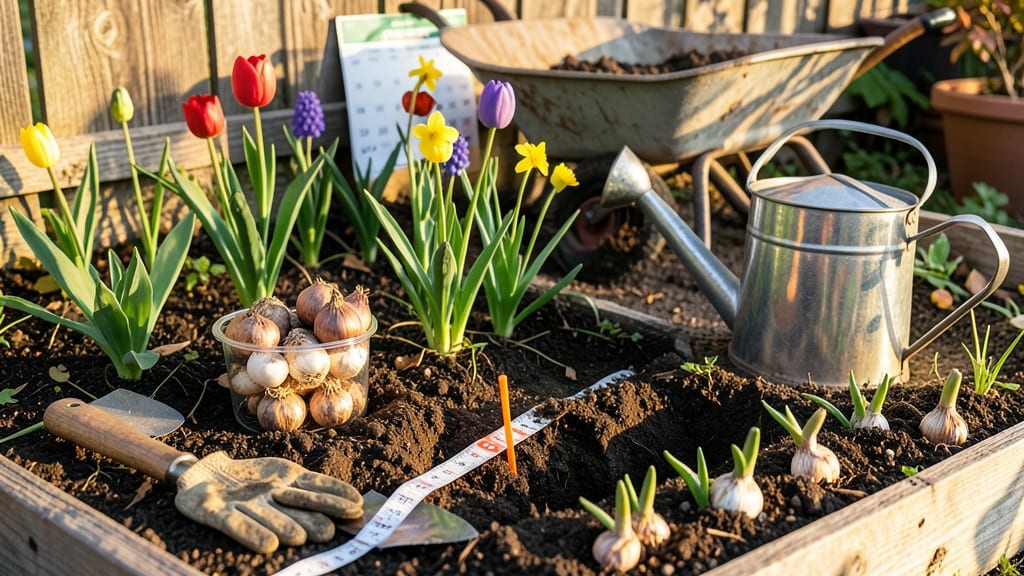
Planting spring flowering bulbs 🌷 4-6 weeks before the ground freezes is the secret to vibrant blooms next spring, and the timing matters more than most gardeners realize.
Did you know that planting your spring flowering bulbs under the right moon phase can boost root growth by up to 30%? Timing isn’t just about the calendar—it’s about celestial cycles that gardeners have used for centuries.
In USDA Zone 6a, that window typically falls between mid-September and mid-November, but the exact date depends on your local frost date and soil conditions. Too early, and the bulbs may sprout before winter; too late, and they won’t establish roots in time.
Below, I’ll break down the best planting months by zone, share moon phase secrets for stronger roots, and give you 5 pro tips to ensure your bulbs thrive—no matter where you garden.
Optimal planting months for spring flowering bulbs by climate Zone
Timing your spring flowering bulbs correctly ensures vibrant blooms next season. The key is planting 4-6 weeks before the first hard frost—but exact months vary by USDA climate zone. In Zone 3-5, where winters are harsh, aim for September-October to give roots time to establish before freezing.
Meanwhile, Zones 6-10 have longer planting windows, often extending into November or even December in milder regions.
Different bulb varieties also have preferences. Tulips and hyacinths thrive when planted early in the window, while daffodils and crocuses tolerate slightly later planting.
Early varieties (like ‘Early Sensation’ tulips) need cooler soil to bloom on time, while late varieties (such as ‘Darwin Hybrid’ tulips) can handle warmer fall temperatures.
Regional frost patterns complicate things. In Zone 7, where frost arrives unpredictably, I always plant by mid-October to avoid soggy soil from early rains. For Zone 9-10, where winters are mild, bulbs can even be planted in January—just ensure they get consistent moisture until spring.
Soil temperature matters more than air temperature. Use a soil thermometer to confirm 50-60°F soil temps—ideal for root growth. In Zone 4, this might mean planting by late September, while Zone 8 gardeners can wait until November.
| USDA Zone | Ideal Planting Window | Early Varieties | Late Varieties | Frost Risk Note |
|---|---|---|---|---|
| 3-4 | Late August - Early October | Tulips: ‘Early Harmony’ | Daffodils: ‘Ice Follies’ | Plant by mid-September for Zone 3 |
| 5-6 | September - Mid-October | Hyacinths: ‘Delft Blue’ | Crocuses: ‘Purple Striped’ | Avoid November in Zone 5 |
| 7-8 | October - November | Tulips: ‘Apeldoorn’ | Daffodils: ‘Tête-à-Tête’ | Zone 8 can plant until December |
| 9-10 | November - January | Hyacinths: ‘Anna Marie’ | Crocuses: ‘Snow Bunting’ | Mild winters allow winter planting |
Adjust for early vs. late frost years. In Zone 6, I’ve seen first frosts arrive as early as October 15 or as late as November 10.
To hedge bets, I plant half my bulbs in September and the rest in early October. This staggered approach ensures blooms even if one planting window fails.
Soil drainage is non-negotiable. Bulbs rot in waterlogged soil, so amend heavy clay with compost or sand. In Zone 9, where winter rains are heavy, I plant bulbs on mounds or in raised beds to prevent soggy conditions.
A 2-inch layer of mulch after planting helps regulate soil temperature.
Don’t overlook bulb size. Large 12-inch tulips need deeper planting (8 inches deep) than small 6-inch crocuses (3-4 inches deep). In Zone 4, I plant larger bulbs first, then smaller ones in the remaining window.
This ensures all get the 6-8 weeks of root growth they need before frost.
Watch for rodent activity in snowy zones. Squirrels and voles love fresh bulbs! I use chicken wire cages in Zone 5 to protect newly planted bulbs. In Zone 7, where rodents are less aggressive, a thick mulch layer often suffices.
Mark your calendar for next year’s planting using these zone-specific windows. With the right timing, your spring garden will burst with color—from early crocuses in March to late tulips in May. Happy planting! 🌷
Moon phase planting calendar: how lunar cycles affect root development
Did you know that the moon’s gravitational pull influences plant growth? When planting spring flowering bulbs like tulips or daffodils, timing with lunar phases can maximize root development and bloom strength.
The waxing moon (growing phase) is ideal for root-focused tasks, while the waning moon (shrinking phase) supports above-ground growth. Let’s explore how to align your planting schedule with celestial cycles for healthier gardens.
Understanding moon phases starts with recognizing their impact on plant physiology. During the waxing moon, moisture moves upward, perfect for planting root crops and bulbs that need deep root establishment.
Conversely, the waning moon directs energy toward leaves and flowers. For spring bulbs, focus on planting during the waxing moon to give roots time to anchor before winter dormancy.
🌱 Key Insight: Planting bulbs during the waxing gibbous phase (7 days before full moon) ensures optimal root growth before the ground freezes. This practice, rooted in biodynamic gardening, has been used for centuries to boost bulb vitality. Below is a 2024-2025 Northern Hemisphere planting schedule tailored to lunar cycles.
For USDA Zones 3-7, aim to plant bulbs during the waxing gibbous phase in September-October, giving roots time to establish before winter. In Zones 8-10, extend planting into November to avoid early frost.
Always plant bulbs 6-8 inches deep and 3-4 times as wide as the bulb itself for optimal growth.
After planting, mulch with 2-3 inches of organic matter like straw or leaves to insulate bulbs during winter. This protects roots from freeze-thaw cycles and conserves moisture.
In early spring, remove mulch to allow foliage to emerge and photosynthesize. Remember, lunar planting isn’t just folklore—it’s a science-backed method to enhance bulb vitality.
Start experimenting with moon phase planting this fall! Track your bulbs’ progress and compare growth between lunar-aligned and traditional plantings. You might be surprised by the difference a full moon or waxing gibbous can make in your garden’s future blooms. Happy planting! 🌷