
Flowers
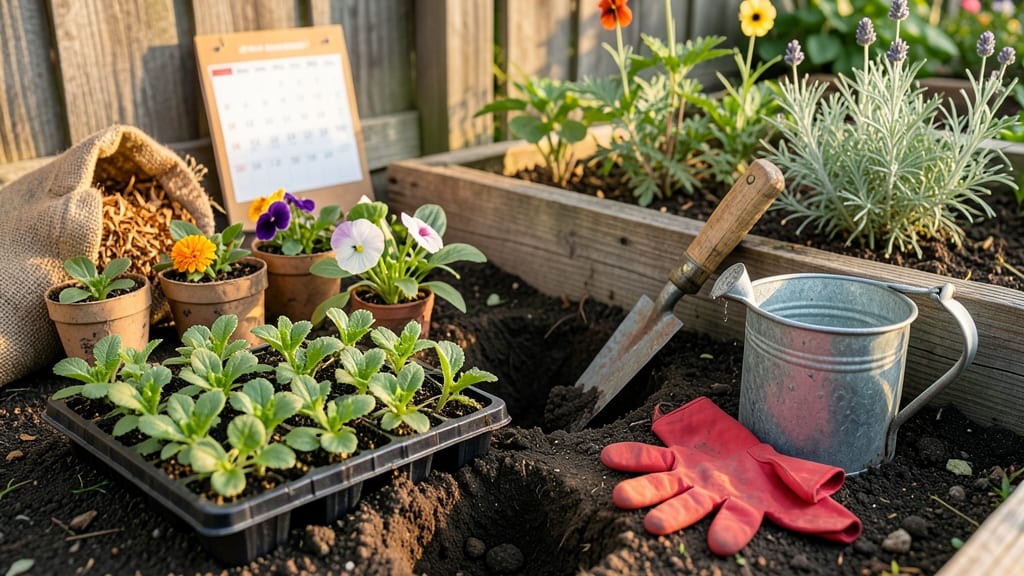
Flowers should be planted in spring after the last frost or fall 6-8 weeks before the first frost date to give roots time to establish.
Timing your flower planting right can mean the difference between a vibrant garden and a disappointing one—so knowing the perfect months for your hardiness zone is everything.
In Zone 6a, like many gardeners, you’ve got a narrow window between April 15 and October 15 to get flowers in the ground. Miss that mark, and you risk stunted growth, late blooms, or worse—seedlings lost to frost.
Below, I break down the best planting months for annuals, perennials, and bulbs, plus how to adjust for early or late bloomers so you get color all season long.
Best planting months for flowers by US hardiness zones
Getting your flower planting timing right depends entirely on your USDA hardiness zone and the type of blooms you're growing. Whether you're planting annuals, perennials, or spring bulbs, each zone has its own ideal window to ensure healthy roots and vibrant blooms.
I'll break down the best months for zones 3-10, including key seasonal cues like frost-free dates and soil temperatures.
For most gardeners, the golden rule is: plant annuals after the last frost in spring and perennials in early fall for strong root establishment before winter. However, bulbs like tulips and daffodils have their own timing—usually fall planting for spring blooms.
Let's dive into what works best for your specific zone to maximize your garden's potential.
🌱 Pro Tip: Always check your local frost dates (available through the National Weather Service or USDA Plant Hardiness Zone Map) as they can vary by 1-2 weeks even within the same zone.
In zones 3-4, where winters are harsh, I recommend waiting until late May or June to plant heat-loving annuals like marigolds or zinnias.
These areas also have the shortest growing seasons, so perennials like coneflowers should be planted in early spring or early fall to establish roots before winter. For spring bulbs, aim for September-October planting—this gives them time to root before the ground freezes.
Gardeners in zones 5-6 have more flexibility, with ideal planting windows spanning from April through May for annuals. This is also the perfect time to divide perennials like daylilies or black-eyed Susans.
For fall planting, focus on August through early September to ensure roots have time to establish before winter. 🌸 Tip: In these zones, you can even plant cool-season annuals like pansies in late summer for early spring color.
If you're in zones 7-8, you're in luck—longer growing seasons mean you can start planting annuals as early as February or March in southern parts of these zones. Perennials thrive with early spring or fall planting, and spring bulbs can be planted as late as November.
For fall bloomers, like mums or aster, plant in July-August to enjoy vibrant fall gardens.
For the warmest zones, 9-10, you can plant annuals year-round in some areas, but the best time is still February-March to avoid summer heat stress. Perennials benefit from early spring or fall planting, and spring bulbs can even be planted in December in mild winters.
In these zones, succession planting is key—plant
How to adjust flower planting for early vs late bloomers
Extending your garden's bloom season doesn't require magic—just smart planting timing and a little strategy. Early bloomers like pansies and snapdragons thrive in cooler weather, while late-season stars such as zinnias and cosmos need warmer air. By staggering your plantings, you can enjoy continuous color from spring through fall.
Start with cool-season flowers in early spring, then follow with warm-season varieties as temperatures rise. This approach creates a seamless transition between blooms, keeping your garden lively. For example, plant calendulas in late winter for early spring color, then add marigolds in late spring for summer-long blooms.
- 1. Cool-Season Flowers: Plant pansies, violas, and snapdragons 4-6 weeks before last frost for early blooms.
- 2. Warm-Season Flowers: Wait until soil temps reach 60°F+ to plant petunias, geraniums, and zinnias.
- 3. Succession Planting: Sow bachelor's buttons every 2-3 weeks for staggered blooms all summer.
- 4. Fall Bloomers: Plant asters and chrysanthemums 8-10 weeks before first frost for late-season color.
- 5. Bulbs for Year-Round Color: Plant tulips in fall and dahlias in spring for layered blooms.
Don't forget about succession planting—this technique involves sowing seeds or transplanting seedlings in staggered intervals to ensure a steady supply of blooms. For instance, plant cosmos seeds every 3 weeks from late spring through early summer. This method works especially well for annual flowers with long bloom cycles.
Another pro tip: use container gardening to extend your season. Move heat-sensitive flowers like impatiens to shaded spots in summer or bring them indoors during extreme heat. This flexibility lets you enjoy blooms even when outdoor conditions aren't ideal.
For perennial flowers, focus on their natural bloom cycles. Early bloomers like columbines and bleeding hearts often finish by early summer, making room for mid- to late-season varieties.
Plan your garden layout to highlight this natural progression—place early bloomers where they'll catch morning sun, then transition to sun-loving late bloomers in the afternoon.
Finally, keep an eye on your local frost dates and adjust accordingly. In Zone 6a, for example, early spring plantings should happen by mid-April, while late summer varieties can go in until early July.
With these strategies, your garden will stay in full bloom from spring through fall—no bare patches in sight! 🌸