
Fertilization
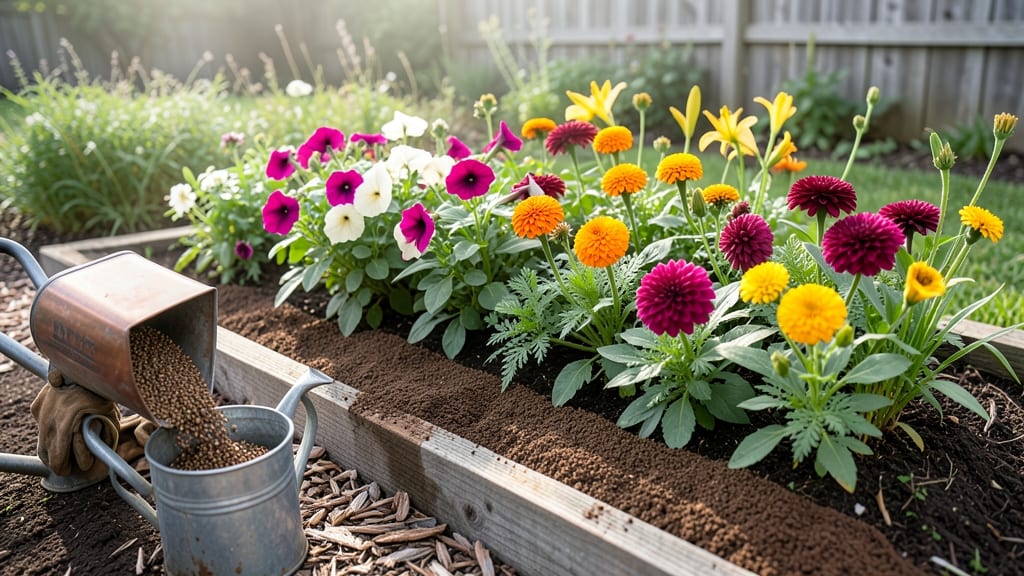
To fertilize flowers at the right time means feeding them when they need it most—not too early, not too late, but just as those first buds start to form.
Struggling to keep your flowers blooming beautifully year after year? Timing your fertilization perfectly is the secret weapon most gardeners overlook—and it could mean the difference between vibrant blooms and lackluster plants.
Think about it: too soon, and you’re wasting nutrients before the roots can use them. Too late, and your flowers miss their growth window entirely. The key is matching your fertilizer schedule to your flowers’ natural cycle, whether they’re spring bulbs, summer annuals, or fall perennials.
Below, I’ll walk you through the exact timing for each season, plus how to spot when your flowers are actually begging for a boost—and when to hold off. No guesswork, just peak blooms.
Seasonal fertilization schedule for flowering plants
Fertilizing flowers at the right time can transform your garden from mediocre to showstopping. The key lies in understanding your plants' growth cycles and aligning feeding with their natural rhythms. Too early, and you risk leafy growth over blooms; too late, and you might stunt next year's flowers.
Let's break down the perfect month-by-month schedule tailored to flowering plants, whether you're growing annuals, perennials, or bulbs.
Most flowering plants follow a simple rule: feed when they're actively growing, not when they're dormant or already blooming heavily. This means focusing your efforts on spring and early summer for most varieties, with a few exceptions for fall-blooming perennials.
The goal is to provide nutrients when plants need them most—root development in early spring and bloom production as summer approaches.
| Season | Growth Stage | Fertilization Action | Notes |
|---|---|---|---|
| Early Spring (March-April) | Root Establishment | Light Feed | Use balanced fertilizer (10-10-10) to encourage root growth after last frost. |
| Late Spring (May) | Vegetative Growth | Full Feed | Switch to high-phosphorus (5-10-5) to promote blooming. |
| Early Summer (June) | Bloom Initiation | Light Feed | Reduce nitrogen to prevent leafy growth at the expense of flowers. |
| Mid-Summer (July-August) | Peak Blooming | None | Avoid fertilizing during heavy bloom to prevent burning plants. |
| Early Fall (September) | Fall Bloomers | Light Feed | Feed late-blooming perennials 4-6 weeks before first frost. |
| Late Fall-Winter (October-February) | Dormancy | None | Skip fertilization entirely—plants are not actively growing. |
For annual flowers like marigolds or zinnias, start fertilizing 2-4 weeks after planting and continue every 3-4 weeks until they begin blooming heavily. These plants thrive on consistent feeding but can't handle over-fertilization, which leads to leafy stalks with few flowers.
Always water thoroughly after applying fertilizer to prevent root burn.
Perennials like daylilies or coneflowers need a different approach. Feed them early in the season (March-April) with a balanced fertilizer to build roots, then switch to a low-nitrogen, high-phosphorus formula in late spring to encourage blooms.
After their first flush of flowers, you can give them a light feeding in early summer to promote a second round of blooms.
Bulbs like tulips and daffodils are unique—they store energy underground. Fertilize them only once, in early fall (September-October), using a low-nitrogen fertilizer. This gives them the nutrients they need to establish strong roots before winter. Skip spring fertilization for bulbs, as they rely on stored energy to bloom.
Container-grown flowers deserve special attention. Since they have limited root space, they need more frequent feeding—every 2-3 weeks during the growing season. Use a water-soluble fertilizer diluted to half-strength to avoid overloading their small root systems.
Always check the soil moisture before fertilizing; dry soil can burn delicate roots.
One of the biggest mistakes gardeners make is over-fertilizing in late summer. When temperatures rise, plants slow down their growth to conserve water. Adding fertilizer at this time can stress plants and even attract pests.
Instead, focus on watering deeply and mulching to protect roots. Save fertilization for early fall if you're growing late-season bloomers like asters or chrysanthemums.
To make fertilization even easier, consider using a slow-release fertilizer in early spring. These granules provide nutrients over 2-3 months, reducing the need for frequent applications. For organic gardeners, compost tea or fish emulsion are excellent choices—they feed plants gradually while improving
Signs your flowers need fertilizer (and when to skip it)
Knowing when to fertilize flowers is like learning their secret language—your plants will tell you exactly what they need if you pay attention. Yellowing leaves, stunted growth, or sparse blooms are classic cries for help, but they’re not the only clues.
Even healthy-looking flowers can be overfed, which is why timing matters just as much as feeding itself.
Most gardeners make two common mistakes: fertilizing too early in the season or overdoing it when plants are already stressed. Newly planted flowers often don’t need fertilizer right away—their roots are still establishing.
Meanwhile, heat-stressed plants can burn if you feed them during drought conditions. Let’s break down the clear signs your flowers need nutrients and when it’s best to skip the fertilizer entirely.
- Newly planted flowers (wait 4-6 weeks for roots to establish)
- Dormant seasons (winter or late fall for perennials)
- Heatwaves or drought (plants can’t absorb nutrients efficiently)
- After heavy rain (excess nutrients leach away)
Over-fertilizing causes leaf burn, root damage, and even fewer blooms—so when in doubt, skip it!
Start by checking your flowers’ leaf color. Pale yellow leaves often signal nitrogen deficiency, while purple stems or undersides mean a lack of phosphorus. Slow growth despite good watering is another red flag—your plants might be starving for nutrients.
For example, petunias with small, sparse blooms usually need a phosphorus-rich fertilizer to encourage flowering.
Don’t ignore root health either. If you gently pull a plant and see minimal root growth or roots that look brown and mushy, it’s a sign of over-fertilization or poor drainage.
Healthy roots should be white or light tan and branched. If your soil feels crusty or salty (a sign of fertilizer buildup), flush it with water before adding more nutrients.
Season matters too. Early spring is prime time for a balanced fertilizer (like 10-10-10) to kickstart growth, but by mid-summer, switch to a low-nitrogen, high-phosphorus feed (like 5-10-10) to prolong blooming. Fall-blooming perennials, such as chrysanthemums, benefit from a light feeding in early fall—but avoid fertilizing after the first frost.
Pro tip: Test your soil every 2-3 years with a simple home kit. If your soil is already rich in nutrients, you might not need to fertilize at all. Compost or well-rotted manure can often replace synthetic fertilizers for many flowering plants, especially in well-draining soil.
Always water thoroughly after fertilizing to prevent root burn.
Remember, healthy flowers grow best when you listen to them. If your plants look vigorous and blooming without extra feeding, they’re telling you everything you need to know. Trust the process—and your green thumb will thank you! 🌸