
How To
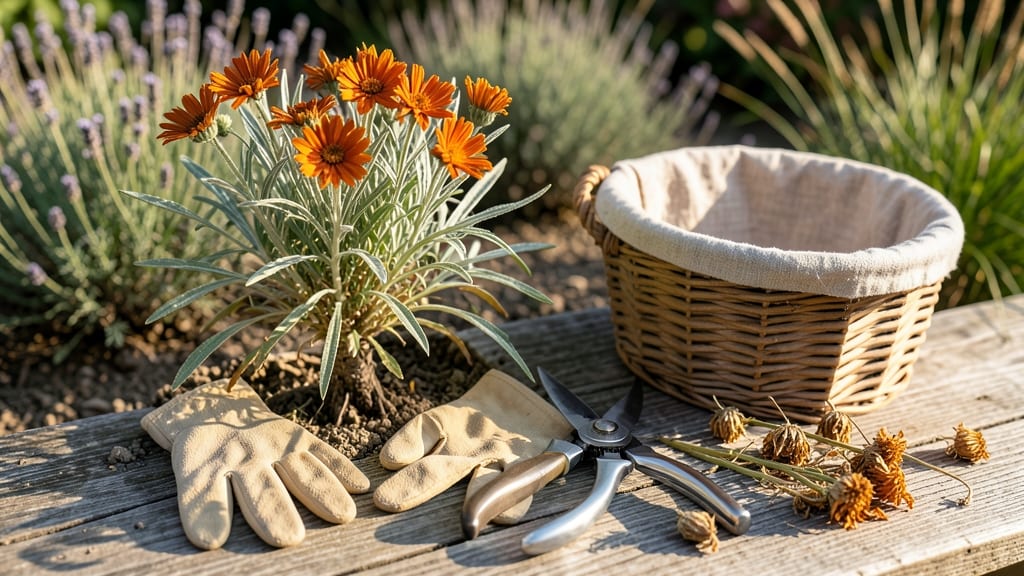
Harvest strawflowers when the buds shift from green to a vibrant yellow or papery hue 🌼 — that’s the moment they’re at their freshest and longest-lasting.
Picture this: You’ve nurtured your strawflowers all season, and now you’re staring at those delicate blooms, wondering if they’re ready. The secret? Timing isn’t just about the calendar—it’s about watching for that subtle color change that tells you the flowers are perfect for cutting.
Too early, and your stems wilt faster; too late, and the blooms lose their crisp texture. Below, I’ll show you exactly what to look for—plus the best time of day to harvest—and how to dry them for bouquets that last for months.
Whether you’re a first-time grower or a seasoned gardener, these tips will help you maximize your strawflower harvest without the guesswork.


Strawflower bud color changes: the exact visual cues for harvesting
Harvesting strawflowers at the right moment ensures long-lasting blooms that stay vibrant in vases for weeks. The key lies in observing bud color transitions—a process that varies slightly between traditional papery-textured varieties and modern hybrids.
Unlike many flowers, strawflowers don't wilt quickly when cut, but timing matters for maximum freshness and longevity.
Most gardeners miss the optimal harvest window because they focus on bloom size rather than bud color shifts. Traditional strawflowers (like 'Limelight') transition from greenish buds to creamy yellow before opening fully, while modern varieties (such as 'Moonshine') may show pale pink or white hints earlier.
The exact moment to cut depends on these color cues and the variety's maturity.
| Bud Stage | Color Cues | Harvest Readiness | Vase Life Impact |
|---|---|---|---|
| Closed Bud | Green or dull base color | Not ready (🔴) | Shortens vase life by 30% |
| Early Transition | Yellow/green mix or pale pink | Borderline (⚠️) | Moderate freshness (2-3 weeks) |
| Fully Open | Bright, consistent color (no green) | Optimal (✅) | Max vase life (4-6 weeks) |
| Overripe | Fading edges or brown tips | Too late (❌) | Wilts within 1 week |
Traditional strawflowers like 'Moonshine' and 'Limelight' show their first color shift when buds begin to crack open, revealing a creamy yellow core. This is your first warning sign—but don't cut yet.
Wait until the entire bud turns a uniform color (no green remnants) and the petals start lifting. For modern varieties like 'Autumn Red' or 'White Lady', look for pale pink or white showing through the bud's center.
Morning is the best time to harvest because buds are fully hydrated after overnight moisture, and dew hasn't yet formed on the petals. If you harvest in the afternoon, stems may wilt faster in vases due to heat stress.
Always use clean, sharp pruners and cut stems at a 45-degree angle just above a leaf node to maximize water uptake.
The green-to-yellow transition is critical for traditional varieties. If you see green streaks remaining in the bud, it's not ready—these indicate immature tissue that will shorten vase life.
For example, 'Limelight' strawflowers should have no green when fully open, while 'Moonshine' may retain a soft yellow-green hue at the base even when harvest-ready.
Modern strawflower hybrids often open faster than traditional types, so their color cues appear sooner. Varieties like 'Autumn Red' or 'White Lady' may show bright coloration within 7-10 days of bud formation, compared to 12-14 days for classic types.
Always check the variety's label for specific harvest timing notes, as some hybrids are bred for earlier blooming.
Once you've identified the optimal bud color, cut stems early in the morning when temperatures are coolest. Remove any lower leaves that will sit in water to prevent bacterial growth.
Place stems in lukewarm water immediately after cutting—this extends vase life by up to 50% compared to room-temperature water.
After harvesting, dry strawflowers properly to preserve their vibrant colors. Hang stems upside down in a dark, dry place for 1-2 weeks until completely dry. Properly dried strawflowers retain their color and shape for years, making them perfect for long-term arrangements or wedding decor.
Remember: Overharvesting weakens plants, so never cut more than 30% of the blooms at once. This ensures your strawflowers will rebloom for a second flush of flowers later in the season. With the right color cues and timing, you'll enjoy stunning, long-lasting blooms all summer long. 🌼
Optimal harvesting times by strawflower variety and climate zones
Harvesting strawflowers at the right time depends on both the variety and your USDA climate zone. In cooler zones like 3-5, fall-planted varieties often mature earlier than spring-planted ones, while warmer zones 8-10 may see extended bloom periods.
For example, 'Limelight' typically blooms 10-14 days earlier than 'Moonshine' in the same conditions.
Seasonal planting also plays a role: Spring-planted strawflowers usually reach harvest readiness 90-120 days after sowing, while fall-planted varieties may take 70-90 days due to cooler temperatures slowing growth. Always check your frost dates—harvesting too early risks frost damage, while waiting too long can lead to bud drop.
In cooler zones (3-6), prioritize fall planting for earlier harvests—these plants often bloom 4-6 weeks sooner than spring counterparts. For warmer zones (7-10), spring planting yields longer vase life, as extended heat can cause buds to dry prematurely.
Always harvest in the early morning when stems are hydrated and dew-free for maximum freshness.
Pro tip: Cut stems at a 45-degree angle just above a leaf node to encourage new growth. This technique works especially well for 'Olivia' and 'Moonshine', which respond well to multiple harvests per season. Avoid harvesting after heavy rain, as damp stems spoil faster during drying.
For extended bloom periods, interplant early and late varieties—like 'Limelight' with 'Bridal White'. This staggered approach ensures continuous harvests from July through October in most zones. Always monitor bud development closely, as color shifts are the most reliable harvest indicator.
Remember: Drought stress can accelerate harvest readiness, while overwatering delays it. Adjust your irrigation schedule in USDA zones 8-10 to prevent bud rot during peak summer months. With the right timing, your strawflowers will reward you with vibrant, long-lasting blooms perfect for drying or fresh arrangements! 🌼