
Planting
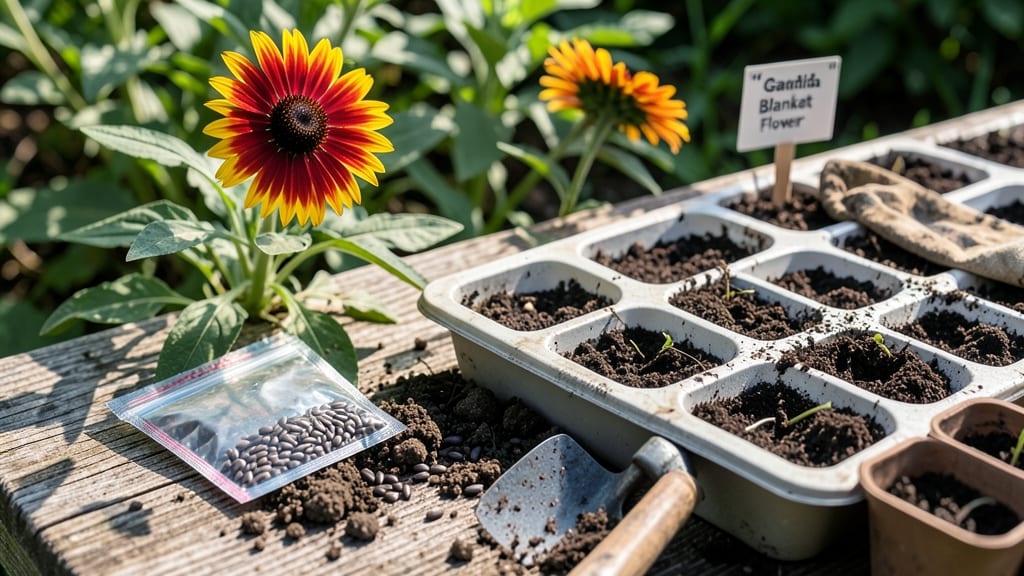
Planting blanket flower seeds 🌼 at the right time means the difference between a garden ablaze with color and a patch of dirt. The key is waiting until soil temperatures hit 60°F+—too soon, and frost will nip them; too late, and you’ll miss summer’s fiery blooms.
Picture this: you’ve finally cleared the last frost date, and your soil is warm enough to hold a seedling’s trust. But if you rush, those delicate sprouts will shiver overnight, or worse, rot in cold, damp earth.
Blanket flowers thrive in heat, so timing isn’t just about the calendar—it’s about the thermometer.
In Zone 6a, that means aiming for April to May after the last frost, but in warmer climates like Zone 9, you might even squeeze in a fall planting.
Direct sowing outdoors works best, but if you’re starting seeds indoors, you’ll need to transplant them carefully once the ground warms up.
Below, I’ll break down the exact months for your zone, how to check soil temperature, and whether to start seeds early or wait for Mother Nature’s cue. No more guessing—just bold, reliable blooms all season.
Best planting months for blanket flower seeds by USDA hardiness zones
Blanket flowers (Gaillardia) thrive as warm-season annuals, but their planting window varies dramatically across the USDA hardiness zones 3–11.
The key is aligning your timing with soil temperatures above 60°F and frost-free dates—plant too early, and tender seedlings will perish; too late, and you’ll miss peak summer blooms. Let’s break down the ideal months for each zone, including early vs. late planting trade-offs.
For zones 3–5, where winters are harsh, focus on late spring planting (after your last frost date) to avoid frost damage. In zones 6–11, you can experiment with early spring or fall sowing, though summer heat may stress seedlings in southern regions.
Always check your local frost-free date (find it via the National Oceanic and Atmospheric Administration or local extension offices) as your starting point.
Soil temperature is your #1 guide—blanket flower seeds need 60–70°F soil to germinate reliably. Use a soil thermometer (just $10) to confirm readiness. In cooler zones, wait until soil warms naturally; in hotter zones, shade young seedlings to prevent bolting.
Below is your zone-by-zone planting calendar with frost-free dates, ideal soil temps, and early/late trade-offs.
In zones 3–5, where frost lingers until late spring, prioritize late May–early June planting to ensure seedlings emerge after the last frost. For example, in Zone 4 Minneapolis, average frost-free dates are May 10, but soil may not reach 60°F until May 25—wait for both cues.
If you’re eager for blooms, consider starter plants from nurseries (hardy to Zone 3) to jumpstart your season.
**Zones
How to adjust planting time for direct sowing vs. starter plants
Blanket flowers (Gaillardia) thrive with the right planting strategy, but choosing between direct sowing and starter plants depends on your USDA zone and last frost date. In cooler zones (3–5), starting seeds indoors 6–8 weeks before transplanting gives them a head start.
Warmer zones (6–11) can often direct sow after soil warms to 60°F+, avoiding transplant shock entirely.
Direct sowing is simpler and cheaper, but starter plants offer earlier blooms and stronger roots. For me, Zone 6a means I start seeds indoors in mid-March for transplanting after the April 15 last frost date, while my neighbor in Zone 8 sows directly in early April—no fuss.
The key is matching your method to your local climate and growing season length.
Direct Sowing vs. Starter Plants for Blanket Flowers
Direct Sowing
- Pros: Cheaper, no transplant shock
- Cons: Slower to bloom, needs thin seedlings
Starter Plants
- Pros: Faster blooms, stronger roots
- Cons: More expensive, risk of shock
Best for: Direct sowing in Zones 7–11; starter plants in Zones 3–6.
To prevent transplant shock, harden off starter plants by placing them outdoors for 3–5 hours daily the week before moving them. I use shade cloth to ease them into full sun, which helps them adjust without wilting.
For direct sowing, wait until soil temps hit 60°F—a soil thermometer is my secret weapon for nailing this timing.
In cooler zones (3–5), extend your season by sowing a second batch in late June for fall blooms. Blanket flowers are frost-tolerant once established, so they’ll often survive light frosts in autumn.
Just avoid planting too early—cold, wet soil can rot seeds before they sprout. I’ve learned this the hard way!
For direct sowing, scatter seeds ¼-inch deep and 12–18 inches apart in well-draining soil. Thin seedlings to 12 inches apart once they’re 2 inches tall—this prevents overcrowding and ensures strong stems. If you’re using starter plants, space them 18–24 inches apart for fuller blooms and better airflow.
Remember, blanket flowers love heat and will reward you with nonstop blooms from summer through fall if planted correctly. Whether you choose direct sowing or starter plants, the goal is the same: bold, fiery blooms that turn heads in your garden. Happy planting! 🌼