
Planting
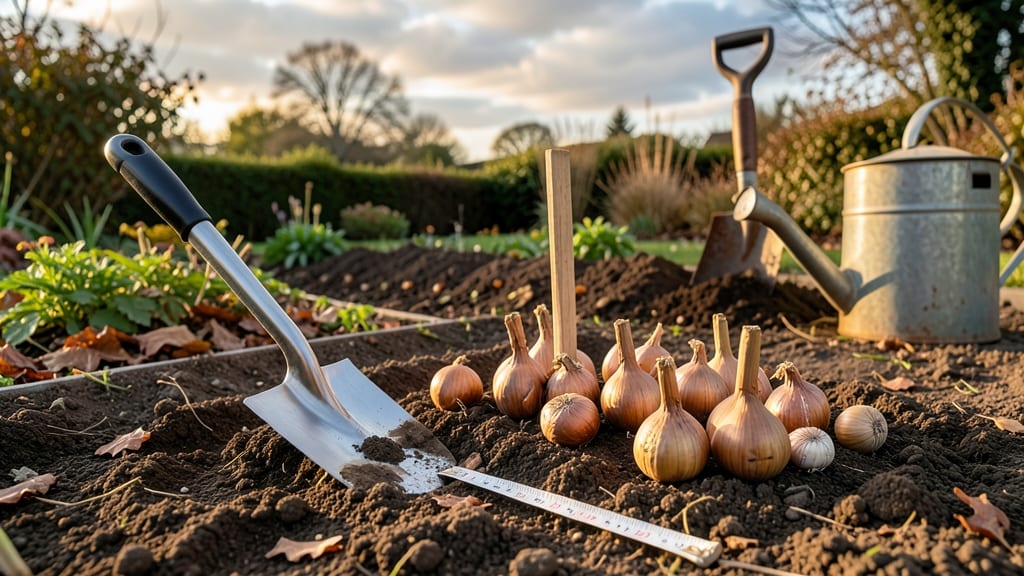
Planting flower bulbs in the fall 4-6 weeks before the first frost is the secret to next spring’s brightest blooms—tulips, daffodils, and crocuses that pop up like clockwork.
Timing is everything when planting fall flower bulbs—get it wrong, and you risk frost damage or weak blooms next spring. But master these USDA zone deadlines, and you’ll enjoy vibrant tulips, daffodils, and hyacinths without the guesswork.
Cool soil and reduced competition give bulbs the perfect head start, but the exact window depends on where you live. In Zone 6a, that means aiming for late September to early November, while warmer zones can stretch into December.
Below, I break down the zone-by-zone deadlines, soil prep tips, and a checklist to ensure your bulbs thrive—so you can skip the guesswork and enjoy blooms that feel like a reward for patience.
USDA zone deadlines for planting fall flower bulbs by region
Planting flower bulbs in the fall gives them time to establish strong roots before winter, but the perfect window depends entirely on your USDA zone.
In colder regions like Zone 3, you have just a few weeks to plant before the ground freezes, while Zone 10 gardeners can stretch their timeline into early winter. The key is planting 4-6 weeks before the first frost, but the exact date shifts dramatically across the country.
Most bulbs—like tulips, daffodils, and crocus—need cool soil temperatures to trigger root growth, so aim for 50-60°F soil. In warmer zones, this might mean planting in November or even December, while northern gardeners should start as early as September.
Let’s break down the exact deadlines by zone to help you avoid frost damage and weak blooms next spring.
In Zones 3-4, where winters are harsh, you’ll want to plant tulips and daffodils as early as late August to give roots time to establish before the ground freezes. These bulbs thrive in cold climates and often produce more robust blooms when planted early.
Use a soil thermometer to confirm temperatures are below 60°F—this is your cue to stop planting.
For Zones 5-6, the window stretches into early October, making it easier to adjust for unpredictable fall weather. This is ideal for hyacinths and alliums, which appreciate a longer rooting period.
If your area experiences early frosts, prioritize planting daffodils first, as they’re more cold-hardy than tulips.
Gardeners in Zones 7-8 can enjoy a more relaxed schedule, with planting possible well into November. This zone is perfect for layering bulbs—plant early bloomers like crocus first, followed by tulips and daffodils for a sequential spring display.
Just be mindful of soil moisture; these zones can experience drought-like conditions even in fall.
In the warmest zones, 9-10, bulbs like cyclamen and ranunculus can be planted as late as December, but avoid planting after the first frost. These zones often have milder winters, but bulbs still need a cooling period to bloom properly.
If you’re in a Zone 10 microclimate with no frost, consider chilling bulbs indoors for 6-8 weeks before planting.
Pro tip: Use mulch after planting to insulate bulbs and protect them from temperature fluctuations. A 2-3 inch layer of straw or shredded leaves works wonders in Zones 3-6, while Zone 7-10 gardeners can use mulch to retain moisture during dry spells.
Just remember to remove it in early spring to prevent rot as sprouts emerge.
Don’t let missed deadlines stress you out—even if you plant a week late, many bulbs will still thrive. Just focus on soil preparation (loose, well-draining soil) and proper depth (typically 6-8 inches deep, with 3x the bulb’s height as a rule of thumb).
With these zone-specific guidelines, you’re set for a show-stopping spring garden! 🌷
How to adjust planting time for early vs. late fall frost risks
Unpredictable frost can turn your fall bulb planting into a guessing game. In Zones 7-10, where frost arrives late or early, timing adjustments are key to avoiding frost damage or weak spring blooms. The secret? Focus on soil temperature and bulb chilling requirements rather than just calendar dates.
For example, tulips and hyacinths need 6-8 weeks of chilling below 50°F (10°C) to bloom properly. If your fall is unusually warm, you might need to plant earlier or use mulch to cool the soil faster.
Conversely, in early frost years, delay planting until soil temps drop closer to 40-50°F (4-10°C).
⚠️ callout warning
Planting too late when soil temps stay above 50°F (10°C) can cause rot or premature sprouting. In Zones 8-10, this often means missed bloom cycles or stunted growth. Use a soil thermometer to confirm temps before planting—aim for 40-50°F (4-10°C) for most bulbs.
Start by checking your local frost dates and adjust your schedule 4-6 weeks before the average first frost. For Zones 7-8, this often lands in October, but in Zone 9-10, you might plant as late as November.
If frost hits early, opt for cold-hardy bulbs like crocus or daffodils, which tolerate cooler soils.
Another trick? Pre-chill bulbs if your fall is unusually warm. Store them in a cool, dark place (like a garage or basement) for 4-6 weeks before planting to mimic winter conditions. This works especially well for tulips and hyacinths, which are sensitive to warm soil.
Don’t forget mulching—a 3-inch layer of straw or leaves helps insulate bulbs and regulate soil temperature. In Zone 10, where frost is rare, mulch can even protect bulbs from unexpected cold snaps in late fall or early winter.
Finally, keep a planting journal to track what works in your microclimate. Note soil temps, frost dates, and bloom results each year. Over time, you’ll refine your schedule to perfect your timing—no more guesswork, just vibrant spring blooms year after year. 🌱