
Flowers
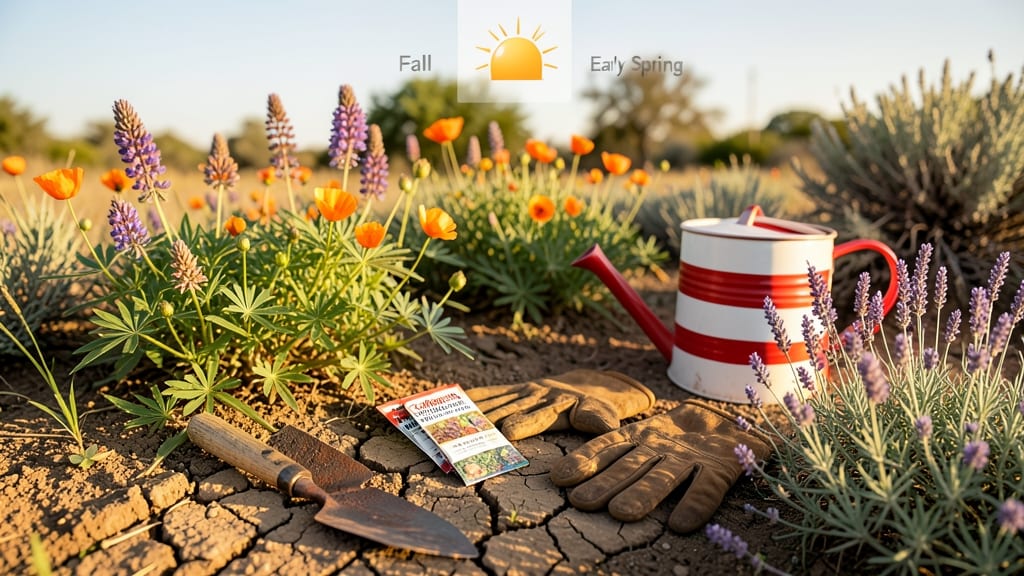
Planting flowers in California depends on when soil warms and rain patterns shift — a 6-week window can mean the difference between vibrant blooms and stunted growth.
California’s diverse microclimates—from coastal fog to desert heat—mean your flower planting schedule can vary drastically even within the same county. Get the timing exactly right to ensure vibrant blooms all year long, without wasting seeds or struggling with stunted growth.
If you’ve ever planted marigolds in May only to watch them bolt in the heat, or sown snapdragons too late for winter frost, you know how critical the right timing is. The key lies in understanding your region’s frost dates, rainfall cycles, and heat tolerance of your chosen blooms.
In this guide, I’ll break down the ideal planting months for coastal, desert, and valley zones, plus season-specific flower picks that thrive in each microclimate—so you can finally get the garden you’ve dreamed of.
California flower planting calendar by region: coastal vs desert vs valley timing
California’s microclimates create a gardener’s puzzle—what thrives in coastal fog may wilt in desert heat. Your planting schedule must adapt to frost dates, rainfall patterns, and summer heat that vary by just 100 miles.
Let’s break down the ideal month-by-month timing for four key regions: Northern Coast, Central Coast, Southern Desert, and Central Valley.
Understanding these differences saves you from wasted seeds or stunted blooms. For example, San Francisco’s cool summers delay planting until March-April, while Palm Springs gardeners plant year-round with winter rains as their cue. Even Central Valley frost risks mean late-May starts for heat-loving annuals.
Key factors to watch: last frost dates (ranging from December in coastal areas to February inland), soil warmth (critical for bulbs), and rainfall timing. Coastal regions get winter rains, while deserts rely on irrigation. Let’s dive into the region-specific planting calendar below.
Notice how Northern Coast regions like San Francisco have delayed planting until March-April due to cooler temperatures and foggy summers. Meanwhile, Central Valley gardeners can start annuals in March but must wait until late May for heat-loving varieties like sunflowers.
The Southern Desert offers a year-round window, but peak planting aligns with winter rains (October-April).
For bulbs, timing is everything. In cooler coastal areas
Best flowers to plant in each California season: what thrives when
California’s four distinct seasons create perfect conditions for year-round blooms, but each season demands different flower varieties. Spring brings cool evenings and moist soil, ideal for bulbs like tulips and daffodils.
Meanwhile, summer’s intense heat rewards drought-tolerant picks like lantana and portulaca. Let’s explore what to plant—and when—to keep your garden vibrant all year.
Timing is everything in California gardening. Coastal areas (like San Francisco) can plant earlier in spring due to milder temperatures, while desert regions (like Palm Springs) should wait until late spring to avoid heat stress.
Even within the same county, microclimates can shift planting windows by weeks. Use this guide to align your planting with local frost dates and rainfall patterns.
| Season | Best Flowers | Planting Time | Microclimate Notes |
|---|---|---|---|
| Spring | Tulips, Daffodils, Snapdragons, Sweet Peas | Feb–Apr (coastal); Mar–May (desert) | Coastal: Plant after last frost. Desert: Wait until soil warms. |
| Summer | Lantana, Portulaca, Zinnias, Marigolds | Apr–Jun (coastal); May–Jul (desert) | Desert: Use shade cloth for seedlings. Coastal: Mulch to retain moisture. |
| Fall | Chrysanthemums, Asters, Calendula, Pansies | Aug–Oct (coastal); Sep–Nov (desert) | Coastal: Plant early to avoid fall rains. Desert: Choose heat-tolerant varieties. |
| Winter | Calendula, Snapdragons, Sweet Alyssum, Pansies | Nov–Dec (coastal); Dec–Jan (desert) | Mulch heavily in coastal areas. Desert winters are ideal for cool-season blooms. |
Spring-blooming flowers like tulips and daffodils thrive in California’s cool, wet spring. Plant bulbs in February or March for coastal regions, but wait until April in inland areas to avoid frost damage. For containers, choose compact varieties like dwarf irises or miniature tulips to prevent overcrowding as they multiply.
Summer’s scorching heat calls for drought-resistant flowers. Lantana and portulaca not only survive but thrive in full sun, making them perfect for xeriscapes.
Start seeds indoors in late March for coastal areas, or direct-sow in May in desert regions. Always pair with gravel mulch to reduce water evaporation.
Fall planting in California is often overlooked, but chrysanthemums and asters reward patience with long-lasting color. Sow seeds in August or September for a cool-season display.
In desert areas, opt for heat-tolerant varieties like Mexican sunflower, which blooms well into November. Coastal gardeners should choose moisture-loving perennials like foxglove for winter interest.
Don’t assume winter means bare gardens—calendula and snapdragons add bright pops of color even in chilly months. Plant these cool-season favorites in November or December, using row covers in frost-prone zones.
For desert gardens, winter is the perfect time to plant annuals like sweet peas, which thrive in mild temperatures and low humidity.