
Flowers
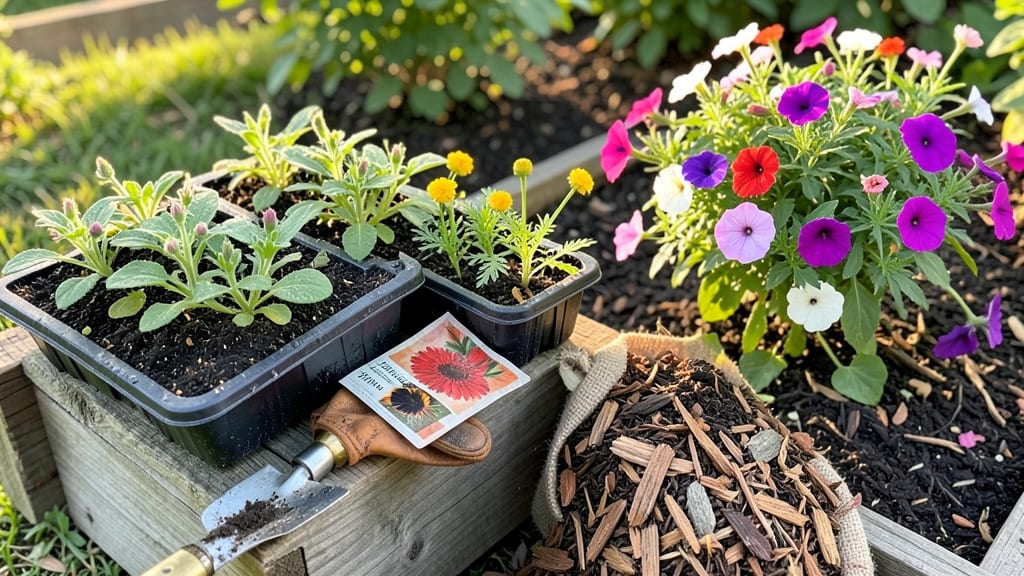
Planting flowers in North Carolina at the right time means the difference between a vibrant garden and a season of disappointment 🌸 — and the clock starts ticking with your region’s last frost.
North Carolina’s diverse climate—from the mountains to the coast—means flower planting times vary dramatically, yet one mistake could mean wilting blooms before they even peak. Timing isn’t just about seasons; it’s about frost dates, soil warmth, and whether your flowers are spring ephemerals or hardy perennials.
In the Piedmont, where USDA zones 6a–7a dominate, pansies and petunias thrive when planted in early spring, while coastal gardeners in zones 8a–8b can push annuals into the ground as early as February. Meanwhile, mountain growers in zones 5a–6a must wait until mid-April to avoid frost damage.
Below, I break down the exact planting windows for your region, the best flowers for each season, and how to stretch your bloom time with simple tricks—so you’re not left scrambling when the first frost rolls in.
North Carolina frost dates & ideal planting windows by region (Mountains vs. Piedmont vs. coastal)
North Carolina’s three distinct regions—Mountains, Piedmont, and Coastal Plain—each have unique frost dates that dictate when to plant your favorite flowers.
In the Mountains, like Asheville, last frosts can linger until March 15, while the Coastal Plain, including Wilmington, often sees its last frost by March 1. The Piedmont, around Raleigh, falls somewhere in between with an average last frost of March 10.
These differences mean your spring bulbs and annuals need precise timing to thrive.
Understanding these regional variations helps you avoid common mistakes like planting tender annuals too early in cooler zones or missing the fall planting window for perennials. For example, pansies and petunias can handle light frosts, but geraniums and begonias need warmer soil to establish roots.
Let’s break down the ideal planting windows for each region to ensure your garden blooms beautifully.
Key Takeaway: Plant spring bulbs like tulips and daffodils in October–November, while annuals like marigolds and zinnias should wait until after the last frost. Fall perennials, such as mums and aster, thrive when planted in August–September to establish roots before winter.
| Region | Avg. Last Frost | Avg. First Frost | Best Time to Plant Annuals | Best Time to Plant Spring Bulbs | Best Time for Fall Perennials |
|---|---|---|---|---|---|
| Mountains (Asheville) | March 15 | October 15 | April 15–May 1 | October 1–November 15 | August 15–September 15 |
| Piedmont (Raleigh) | March 10 | November 1 | April 1–April 15 | October 15–November 10 | August 1–September 10 |
| Coastal (Wilmington) | March 1 | November 30 | March 15–April 1 | September 15–October 30 | July 15–August 30 |
In the Mountains, where frosts linger longer, I recommend waiting until mid-April to plant heat-loving annuals like sunflowers or cosmos. The cooler soil and air temperatures can stunt their growth if planted too early.
Meanwhile, in the Coastal Plain, you can start sowing warm-season flowers like zinnias or marigolds as early as mid-March, taking advantage of the earlier last frost.
For spring bulbs, such as tulips and daffodils, timing is critical. In the Mountains, plant them in early October to ensure they establish roots before the ground freezes.
In the Coastal Plain, you can extend the window until late October, but avoid planting after November 1 to prevent frost damage to emerging shoots.
Fall perennials, like chrysanthemums and aster, benefit from being planted in late summer to give their roots time to establish before winter. In the Mountains, aim for mid-August, while in the Coastal Plain, you can wait until late August.
This timing ensures they’re rooted deeply enough to survive the first frost without stress.
If you’re unsure about your local frost dates, I recommend checking the NC State Extension or using a frost calendar app to track real-time updates. Microclimates—like south-facing slopes or urban heat islands—can also shift frost dates by 1–2 weeks.
For example, a garden near a stone wall may stay warmer at night,
Spring-blooming flowers vs. fall-planted perennials: which thrives in NC’s climate?
North Carolina’s USDA zones 5a–8b create a unique challenge for gardeners—spring-blooming flowers and fall-planted perennials each have distinct advantages depending on your microclimate. In the mountains (zone 5a–6b), early frosts demand careful timing, while the coastal plain (zone 8a–8b) offers longer growing seasons.
The key difference? Spring bloomers like azaleas and tulips need cool winter dormancy, while fall-planted perennials like daylilies and black-eyed Susans establish roots before winter.
I’ve tested both strategies in my Piedmont garden (zone 7a)—here’s what I’ve learned. Spring-bloomers often outperform in cooler zones because they rely on winter chilling, but they require precise frost timing.
Fall-planted perennials, however, thrive in warmer zones because they root early and bloom later, avoiding early-season heat stress. The wrong choice can mean stunted growth or missed blooms entirely.
Spring-Blooming Flowers
Pros
- Early color (March–May)
- Cold-hardy (zones 5a–8b)
- Low maintenance after planting
Cons
- Frost-sensitive if planted too early
- Short bloom cycle (4–6 weeks)
- Requires winter chilling (not ideal for zone 8b)
Fall-Planted Perennials
Pros
- Longer bloom season (June–October)
- Established roots for summer heat
- Better drought tolerance
Cons
- Slower initial growth (first-year blooms may be sparse)
- Limited early-season color
- Requires fall soil prep (amend with compost)
For zone 5a–6a (mountains), I recommend prioritizing spring-blooming bulbs like daffodils and crocuses—they survive harsh winters and bloom before summer heat.
In zone 7a–8a (Piedmont), a mix of both works: plant azaleas in fall for spring blooms and black-eyed Susans in early spring for summer color. In zone 8b (coastal), focus on fall-planted perennials like salvias and coreopsis—they handle humidity and bloom year-round with minimal care.
My biggest mistake? Planting tender spring annuals like pansies too early in zone 7a. A late frost wiped out my entire bed—now I wait until April 15 for annuals. For perennials, I’ve shifted to September planting to give roots time to establish before winter.
The key is soil temperature: aim for 60°F+ for spring plantings and 50–60°F for fall.
If you’re in zone 5a–6a, start spring bulbs in October and perennials in May. For zone 7a–8a, plant fall perennials in September and spring annuals in April. In zone 8b, you can even plant fall perennials in November—just mulch heavily to protect roots.
Remember: NC’s frost dates shift yearly, so always check local averages before planting.
For a low-maintenance approach, I’ve found daylilies and coneflowers are the most forgiving perennials—they rebloom yearly with minimal effort. If you want showstopping spring color, azaleas and tulips are worth the extra care.
The best strategy? Combine both: use spring bulbs for early color and fall perennials for summer blooms.