
Flowers
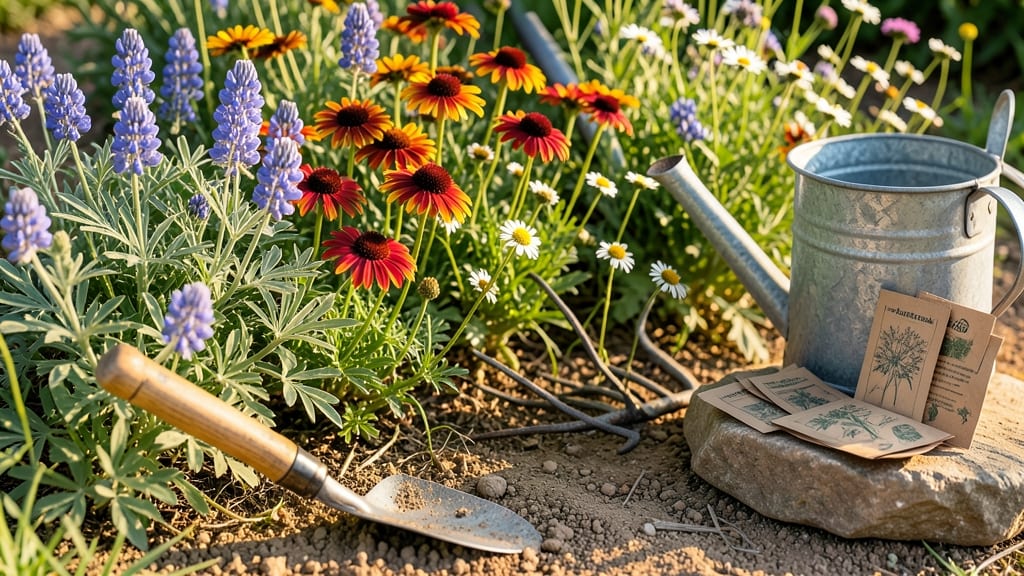
Planting flowers in North Texas at the right time means the difference between a garden bursting with color and one that fades before summer.
North Texas gardeners know timing is everything—plant too early, and frost will kill your blooms; too late, and summer heat will stunt growth. With USDA Zones 8a and 8b’s unpredictable frost dates, mastering the perfect planting window ensures vibrant flowers all season long.
Most annuals and perennials thrive when planted in early spring (February–April) or fall (September–November), but heat-lovers like zinnias and salvias need a later start. The key is aligning your planting with soil temperatures and frost-free periods—especially critical in Zone 8a, where late frosts can linger into March.
Here’s exactly when to plant your favorites, from cold-hardy pansies to drought-resistant black-eyed Susans, plus how to adjust for North Texas’ quirks like urban heat islands and sudden cold snaps.
North Texas frost dates & best flower planting months by type
North Texas gardeners face a 215-day frost-free season, with average last frost dates between February 15 and March 15. This 6-week window creates urgency—plant too early, and a surprise freeze can devastate tender blooms like petunias or geraniums.
Too late, and summer’s 100°F+ heat stresses heat-sensitive varieties before they establish roots.
To thrive in USDA Zones 8a/8b, flowers fall into three planting categories: cold-hardy annuals (like pansies and snapdragons), heat-loving annuals (such as zinnias and lantana), and perennials/bulbs that need 6–8 weeks of root growth before extreme heat arrives.
Here’s your North Texas planting calendar, broken down by flower type to maximize blooms while avoiding frost and heat stress:
| Flower Type | Best Planting Months | Frost Risk | Heat Tolerance | Notes |
|---|---|---|---|---|
| Cold-Hardy Annuals | September–October (fall) or February–March (spring) | Low (survive 28°F) | Moderate (struggle in 95°F+) | Pansies, snapdragons, sweet alyssum |
| Heat-Loving Annuals | April–May (after last frost) | High (die in 32°F) | High (thrive in 100°F+) | Zinnias, lantana, sunflowers, marigolds |
| Perennials/Bulbs | September–October (fall) or February (spring) | Moderate (varies by type) | Moderate (establish roots first) | Black-eyed Susans, salvias, daylilies |
| Texas Natives | March–April (spring) or September (fall) | High (drought-tolerant) | Very High (native heat lovers) | Bluebonnets, Mexican feathergrass, Turk’s cap |
For cold-hardy annuals, I recommend planting in early September to give roots time to establish before winter. These varieties—like pansies and snapdragons—can handle 28°F temperatures and often rebloom in spring. Seed packets will label them as "cool-season" or "hardy to Zone 7," so check before buying.
Heat-loving annuals, such as zinnias and lantana, demand warm soil (60°F+) and won’t tolerate frost. Wait until April 15 at the latest, after the average last frost date.
These plants thrive in full sun (6+ hours) and well-draining soil, so amend clay soil with compost to prevent root rot.
Perennials and bulbs are the easiest to time—plant them in fall (September–October) or early spring (February). Fall planting lets roots grow before winter, while spring planting avoids summer stress. Daylilies and black-eyed Susans are top picks for North Texas, as they’re drought-tolerant once established.
Texas natives like bluebonnets and Mexican feathergrass are the most forgiving for late plantings. They handle 100°F+ heat and drought conditions once rooted. For best results, sow seeds in March–April or September, when soil temperatures are ideal for germination.
Pro tip: Use row covers or cloche tunnels to extend your planting window by 2–4 weeks in spring. These protect tender seedlings from late frosts (which can hit as late as March 15) while still allowing sunlight and airflow.
Just remove covers once nighttime temps stay above 40°F consistently.
Remember, North Texas’ microclimates vary wildly. Urban areas like Dallas can be 5–10°F warmer than rural spots, so adjust planting dates accordingly. Always check soil temperature (use a
How to adjust planting for North Texas’ unpredictable weather patterns
North Texas’ weather can shift from freezing nights to 90-degree days in weeks, making planting a high-stakes game. I’ve learned the hard way—skipping a soil temperature check can mean stunted roses or wilting hydrangeas.
The key? Flexible timing and microclimate awareness to protect your blooms from both frost and scorching heat.
Urban areas like Dallas often face urban heat islands, where pavement holds heat longer than rural spots. Meanwhile, elevated gardens or north-facing beds may stay cooler. Adjust your planting 2-4 weeks earlier in urban zones and 1-2 weeks later in rural areas for the same frost risk.
⚠️ callout warning
Before planting, test soil temperature with a simple thermometer—aim for 60°F+ for most flowers. Cool soils delay root growth, leaving plants vulnerable to heat stress. I mulch heavily in urban microclimates to insulate roots, while rural gardens benefit from raised beds to warm up faster in spring.
For high-value flowers like roses, I use a 4-week buffer strategy: start seeds indoors by February 15, transplant to pots by March 15, and harden off before April 15.
This accounts for late frosts while ensuring blooms by Memorial Day. Hydrangeas, being frost-sensitive, wait until after May 1 for outdoor planting.
Watch for microclimate clues: if your neighbor’s garden blooms a week earlier, their south-facing slope warms up faster. Group heat-lovers like zinnias near paved areas and cold-hardy pansies in shadier spots. A simple windbreak can also shield delicate blooms from erratic North Texas winds.
Finally, monitor extended forecasts—not just the 10-day outlook. I’ve saved entire rose bushes by covering them with frost cloth after a 90% chance of frost alert. With these adjustments, your garden will thrive despite the chaos, not just survive it. 🌿