
Flowers
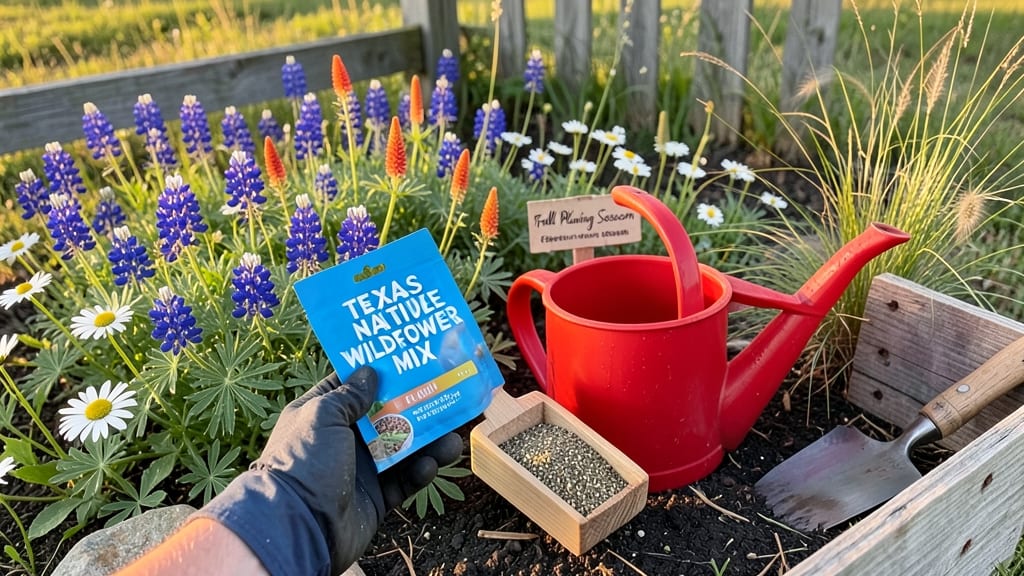
Planting flowers in San Antonio means timing your 🌸 blooms to dodge both the last frost and the brutal summer heat—get it wrong, and you’ll be fighting for survival instead of enjoying vibrant gardens.
San Antonio’s unpredictable freezes and scorching summers make the difference between a thriving garden and a sad, wilted mess. The key? Planting annuals in late winter to early spring (after your last frost) and perennials in fall for a head start on next year’s blooms.
With USDA Zone 8a conditions, you’ve got a longer growing season than most—but that also means heat waves can sneak up fast.
I’ll break down the exact months to plant for zero frost risk, the best flowers for each season, and how to keep them alive through San Antonio’s famous dry spells.
By the end, you’ll know not just when to plant, but how to give your flowers the best shot at surviving the heat, humidity, and everything else this city throws at them.
San Antonio’s frost-free planting zones & critical dates
San Antonio’s unique USDA Zone 8b/9a climate gives gardeners a longer growing season than many regions—but its unpredictable freezes and scorching summers demand precision timing. Unlike northern zones, my last frost date averages around January 15, while the first frost typically hits December 15.
This means we enjoy a 240-day frost-free window, perfect for extending bloom seasons with the right planning.
For annual flowers, timing is everything—plant too early, and they’ll bolt in the heat; too late, and frost may nip them before they thrive. Perennials, however, can handle more flexibility, especially heat-tolerant varieties like salvia or lantana.
Understanding these climate quirks helps me avoid common pitfalls, like spring heat waves that can stress young seedlings or fall freezes that cut short summer blooms.
Here’s my go-to planting timeline based on local climate data, broken down by flower type and season:
| Planting Window | Annual Flowers | Perennial Flowers | Key Risks |
|---|---|---|---|
| Early Spring (Feb-March) | Pansies, Snapdragons, Sweet Alyssum | Daylilies, Coneflowers, Black-Eyed Susans | Late frost (avoid planting before Feb 15) |
| Late Spring (April-May) | Marigolds, Zinnias, Petunias | Lantana, Salvia, Gaillardia | Heat stress on seedlings (use shade cloth) |
| Summer (June-July) | Portulaca, Vinca, Sunflower | Turk’s Cap, Plumbago, Mexican Bush Sage | Drought conditions (deep watering required) |
| Early Fall (Aug-Sept) | Cosmos, Calendula, Stock | Mums, Asters, Shasta Daisy | Early frost (plant after Aug 15 for safety) |
| Late Fall (Oct-Nov) | Pansies, Sweet Peas, Stock | Ornamental Kale, Pansies (winter-hardy) | Cold snaps (mulch heavily) |
My favorite strategy for beating San Antonio’s extremes? Staggered planting. For example, I’ll sow cosmos seeds in late July for fall blooms, then follow up with pansies in October to extend color into winter. This overlapping method ensures continuous blooms while minimizing risk from unexpected temperature swings.
The USDA Zone 8b/9a label might suggest mild winters, but don’t be fooled—microclimates in San Antonio can vary wildly. North-facing gardens near the Hill Country stay cooler, while south-facing beds near the River Walk can hit 100°F+ by May.
I always test my soil temperature before planting heat-sensitive annuals like petunias—if it’s above 75°F, I’ll opt for shade-tolerant varieties or delay planting.
For perennials, the early fall (September) is my golden window. This timing lets roots establish before winter while avoiding the peak summer heat. I’ve seen black-eyed Susans and coneflowers thrive when planted in early September, often blooming by next spring with minimal care.
The key? Amending soil with compost and deep watering during establishment.
Don’t overlook heat-wave preparedness. Even drought-tolerant flowers like portulaca or bougainvillea need extra attention during June-August. I’ll mulch heavily with straw or pine bark to retain moisture and water deeply in the early morning to prevent fungal issues.
This proactive approach has saved my summer blooms from wilting under 110°F+ conditions.
One common mistake I see? Planting tender annuals like geraniums too early in spring. These beauties bolt quickly when nights stay above 60°F, which happens by mid-March in most years. Instead, I’ll wait until late April or use shade cloth to buy time for cooler soil temps.
To track your local frost dates, I recommend checking the National Weather Service’s San Antonio office or using local gardening apps like Gardenate. These tools provide real-time alerts for temperature drops or heat advisories, helping me adjust my planting schedule on the fly.
With this data, I’ve extended my bloom season by 3-4 months compared to traditional timelines.
Best flowers to plant by month in San Antonio’s heat
San Antonio’s long growing season and intense heat mean your flower choices should shift dramatically by month. While spring and fall offer cooler temps for cool-season blooms, summer demands heat-resistant varieties that thrive in 100°F+ conditions.
Let’s break down the best flowers to plant each month to keep your garden vibrant year-round.
Timing is everything in Zone 8b-9a. Plant too early, and frost may strike; too late, and summer’s drought stress will wilt your blooms before they open.
My strategy? Divide your planting into three phases: early spring (February-March), late spring/early summer (April-May), and fall (September-November). This approach maximizes blooms while minimizing stress.
- February-March: Pansies & Snapdragons (cool-season annuals that tolerate light frost)
- April-May: Portulaca & Lantana (drought-tolerant summer bloomers for full sun)
- June-August: Salvia & Zinnias (heat-loving perennials with low water needs)
- September-October: Mums & Asters (fall favorites that bloom as temps drop)
- November: Sweet Alyssum (winter-hardy ground cover for early spring color)
For spring planting (February-March), focus on cool-season annuals like pansies and snapdragons. These tough blooms handle light frosts and even brief freezes (down to 25°F for pansies!). Plant them in well-draining soil with morning sun to avoid afternoon heat stress.
I’ve had my pansies bloom nonstop from March through May with minimal care—just weekly deadheading and mulch to retain moisture.
Summer’s 100°F+ heat demands heat-tolerant varieties. Portulaca and lantana are my go-to summer annuals because they thrive in full sun and drought conditions. Plant them in June after the last frost risk (typically mid-April in San Antonio).
These plants self-water thanks to their succulent-like leaves, making them perfect for low-maintenance gardens. Just avoid overwatering—they’ll rot faster than a wilting marigold in a heatwave!
Fall is my favorite planting window in San Antonio. As temperatures drop, mums and asters take center stage, offering vibrant color from September through November. Plant mums in September for early fall blooms, and asters in October to extend color into late autumn.
Both love full sun to partial shade and well-amended soil. I’ve seen asters rebloom in spring if I leave the dead foliage over winter—a free bonus!
Don’t overlook November planting. While most gardeners pack up for winter, sweet alyssum thrives in cool weather and even light frosts. Its tiny white or purple flowers create a fragrant carpet that blooms from November through March.
Plant it in partial shade to avoid scorching during rare winter sun spikes. It’s also a pollinator magnet for bees and butterflies when other blooms are dormant.
Remember: San Antonio’s microclimates vary wildly. If you’re in a shadier yard (like near oak trees), opt for impatiens or begonias instead of sun-lovers. And always check soil moisture—clay-heavy soils (common in SA) can bake plants alive if not mulched properly.
With the right timing and varieties, your garden can bloom beautifully year-round, even in the heart of Texas summer! 🌸