
Plants
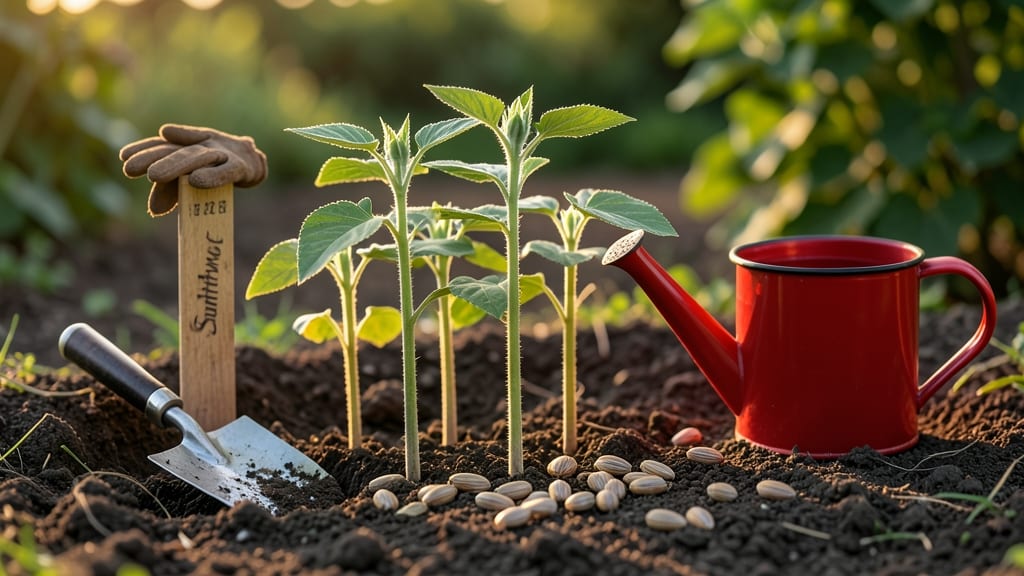
Planting sunflower seeds in Illinois at the right time means the difference between fast, towering blooms and seeds that rot in cold soil.
Sunflowers bring vibrant color and joy to Illinois gardens—but planting them at the wrong time can mean slow growth or even failure. Timing isn’t just about dates; it’s about soil warmth, frost risks, and the hidden triggers that ensure fast germination and towering blooms.
In zones 5b-6b, the window opens after the last frost—typically mid-April—but the real secret is waiting for soil to hit 60°F at least an inch deep. Too early, and seeds languish; too late, and summer’s heat arrives before they mature.
Below, I’ll walk you through the exact dates by region, how to test soil warmth without fancy tools, and the best sunflower varieties for Illinois’ short and long seasons. No guesswork—just fast, reliable growth from seed to 12-foot stalks.
Best planting dates for sunflowers in Illinois based on hardiness zones
Timing your sunflower seeds correctly in Illinois means the difference between towering 10-foot stalks and stunted, weak plants. Unlike many annuals, sunflowers thrive when soil temperatures hit 60°F+, not just after the last frost.
Illinois spans USDA zones 5-8, creating distinct windows for planting that align with regional microclimates—from Chicago’s lake-effect cooling to southern Illinois’ longer growing seasons.
Northern Illinois (zones 5-6) faces earlier frost risks and cooler soils, while southern zones (7-8) enjoy extended summers. Even within these zones, urban heat islands or river valleys can shift ideal planting dates by 1-2 weeks.
The key is balancing soil warmth, frost-free days, and your chosen variety’s maturity rate to ensure blooms before fall frost.
Here’s your zone-by-zone breakdown of optimal planting windows, accounting for last frost dates, soil temperature triggers, and regional adjustments:
| USDA Zone | Last Frost Date | Soil Temp Threshold | Ideal Planting Window | Notes |
|---|---|---|---|---|
| 5 (Northern IL) | April 15–May 1 | 60°F+ (15°C+) | Late May–early June | Wait for consistent 60°F soils; risk of late frost in May. Choose fast-maturing varieties (50–60 days). |
| 6 (Central IL) | April 1–April 15 | 60°F+ (15°C+) | Mid-April–late May | Soil warms faster; can plant 2 weeks earlier than Zone 5. Avoid early April unless using row covers. |
| 7 (Southern IL) | March 15–April 1 | 55°F+ (13°C+) | Mid-March–June 1 | Longer season allows successive plantings. Late June works for dwarf varieties. |
| 8 (Far Southern IL) | February 15–March 1 | 50°F+ (10°C+) | February–July 15 | Extreme heat tolerance; can plant as late as July for fall blooms. Monitor for bolting stress. |
*Adjust dates 1–2 weeks later in urban areas or near large bodies of water (e.g., Chicago, Lake Michigan shorelines).
For Zone 5 gardeners, the window is tight—planting before May risks frost damage, while waiting too long may yield underdeveloped stalks. Use a soil thermometer to confirm 60°F+ at 2-inch depth before sowing.
In Zone 6–8, you can stretch planting into June for late-season blooms, but prioritize dwarf or semi-dwarf varieties (e.g., ‘Teddy Bear’) to avoid flopping in autumn winds.
Microclimates play a surprising role. Urban heat islands in Chicago or Springfield can push planting dates 1–2 weeks earlier, while river valleys like the Mississippi River basin may extend the season by 10–14 days.
If you’re near water, monitor local frost-free records from the University of Illinois Extension for precise adjustments.
Pro tip: Direct-sow seeds—sunflowers hate transplanting. Scatter seeds 1 inch deep and 6 inches apart in rows 18–24 inches apart. Thin seedlings to 12–18 inches apart once they’re 3–4 inches tall.
This spacing ensures optimal air circulation and reduces fungal risks like powdery mildew, common in Illinois’ humid summers.
If you’re experimenting with late plantings (e.g., July in Zone 7–8), choose short-day varieties like ‘Autumn Beauty’ or ‘ProCut’ to trigger flowering before frost. These varieties mature in 70–80 days, giving them time to bloom even when planted in mid-summer
How to check soil warmth before planting sunflower seeds
Sunflowers thrive when planted in warm soil, ideally between 60°F and 70°F. In Illinois, this often means waiting until late April or May, but soil temperature varies by location and microclimate.
Testing soil warmth ensures your seeds germinate quickly and grow strong, avoiding the pitfalls of slow germination or pest infestations from overly damp, cool soil.
You don’t need expensive tools to check soil warmth. A simple soil thermometer (available for under $10) gives precise readings, but DIY methods like the hand test or potato method work too.
For sunflowers, depth matters—test at 2 inches deep, where seeds will be planted, as surface temps can mislead you.
🚨
To use a soil thermometer, insert the probe 2 inches deep in a shady spot (sun heats soil unevenly). Check readings in the late afternoon when temps are highest.
For DIY methods, the potato test works by burying a raw potato for 24 hours—if it’s soft, soil is too cold (50°F). A firm potato means 60°F+, perfect for sunflowers.
Depth is critical—surface soil can feel warm while deeper layers stay cold. Sunflower seeds need consistent warmth at planting depth (1 inch deep). If your thermometer reads 55°F at 2 inches, wait 3–5 days and retest.
In Illinois, northern zones (5b) often need to wait until mid-May, while southern zones (6b) can plant as early as late April.
Interpreting your readings: Below 55°F = seeds won’t germinate; 55–59°F = slow growth; 60°F+ = ideal. If temps fluctuate, cover seeds with black plastic mulch to retain heat. Avoid planting if nighttime temps drop below 50°F, as sunflowers are frost-sensitive until established.
Once your soil hits 60°F+ at 2 inches, it’s time to plant! Sunflower seeds germinate in 7–14 days under ideal conditions. Mark your calendar and monitor weather forecasts for unexpected cold snaps, which can reverse progress.
With the right soil warmth, your sunflowers will shoot up 2–3 inches per week and reward you with those iconic bright blooms by summer. 🌻