
Plants
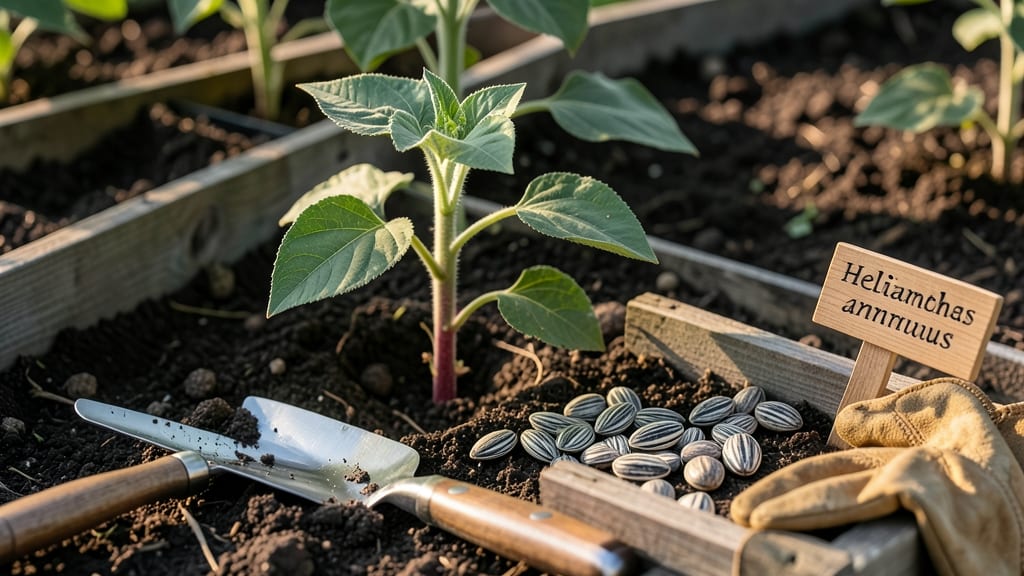
Planting sunflower seeds in Massachusetts after your last frost date—typically mid-April to mid-June—ensures those towering 🌻 blooms thrive without frost damage.
Picture this: you’ve just planted your seeds, only to watch them wilt under a surprise late frost. That’s the nightmare no gardener wants, and it’s why timing matters more than you’d think. Sunflowers need warmth to sprout, and Massachusetts’ unpredictable spring can throw off even the best-laid plans.
In this guide, I’ll walk you through the exact frost-free dates for your zone, how to prep soil for sunflower success, and even how to adjust for those tricky microclimates—like the cooler valleys or warmer coastal areas.
No more guessing games, just a foolproof plan for sunflowers that reach their full potential.
You’ll also discover which sunflower varieties work best in Massachusetts, from dwarf types that bloom early to giants that need the full summer heat. Ready to grow sunflowers that turn heads? Let’s get started.
Massachusetts frost-free dates by planting zone: exact timing for sunflower success
Massachusetts spans USDA hardiness zones 5-7, creating slightly different frost-free windows for sunflowers. Knowing your exact zone helps you time direct sowing or transplanting to avoid frost damage.
In zone 5, you’ll plant 2-3 weeks later than in zone 7, which can mean the difference between full-grown sunflowers and frost-nipped seedlings. Let’s break down the precise timing for each zone so you can maximize your sunflower’s potential.
Sunflowers thrive when planted after the last average frost date, but they’re also frost-tolerant seedlings that can handle light chills. This means you can start seeds indoors 4-6 weeks before your last frost date, then transplant outdoors when soil warms to 50°F (10°C).
For direct sowing, wait until 2 weeks after your last frost date to ensure strong germination. Understanding these windows ensures your sunflowers have enough time to mature before fall frosts arrive in October.
🌱 Key Takeaway: Massachusetts’ frost-free dates shift from mid-April in zone 7 to late May in zone 5. Planting too early risks frost damage, while waiting too long may result in smaller blooms or no flowers at all.
| USDA Zone | Avg. Last Frost Date | Indoor Start (Weeks Before) | Outdoor Transplant | Direct Sow Window | Notes |
|---|---|---|---|---|---|
| Zone 5 (Western MA) | May 10-15 | April 15-30 | May 20-25 | May 30-June 10 | Use row covers for early starts |
| Zone 6a (Central MA) | April 25-May 5 | March 20-April 15 | May 5-15 | May 15-June 5 | Ideal for early varieties |
| Zone 6b (Eastern MA) | April 15-25 | March 15-April 10 | April 30-May 10 | April 25-May 15 | Longer growing season |
| Zone 7a (Cape Cod) | April 5-15 | February 20-March 15 | April 15-25 | April 10-May 5 | Best for late varieties |
| Zone 7b (Islands) | March 30-April 10 | February 15-March 10 | April 5-15 | March 25-April 10 | Earliest planting possible |
For zone 5 gardeners, focus on early-maturing varieties like 'Teddy Bear' (50-60 days) or 'Moulin Rouge' (55-60 days) to ensure blooms before frost. In zone 7, you can even try late-season varieties like 'Russian Giant' (90-120 days) for towering sunflowers that reach 10-14 feet tall.
The key is matching your sunflower variety to your zone’s frost-free window.
How to adjust sunflower planting for Massachusetts’ unpredictable spring weather
Massachusetts’ unpredictable spring weather can turn a promising sunflower garden into a frost-damaged disappointment if you’re not prepared. Even after checking last frost dates, late cold snaps—especially in USDA zones 5-6a—can threaten young seedlings.
The key is extending your growing season with smart techniques that protect your sunflower seeds until the soil warms consistently.
I’ve learned from years of gardening in Western MA that even a 50°F soil temperature isn’t always enough to guarantee survival. That’s why I start preparing my garden 4-6 weeks before my target planting date.
Whether you’re in Boston’s coastal zone 6b or the Pioneer Valley’s zone 5b, these adjustments will give your sunflowers the head start they need.
⚠️
Even if your average last frost is April 15, late frosts occur 1-2 weeks after in 70% of years. Planting too early without protection risks seedling death. In zone 5, wait until May 1 unless using season extenders. For zone 6, April 25 is safer for direct sowing.
One of my most reliable methods is using row covers made from lightweight frost cloth. These create a 2-4°F warmer microclimate and can be removed once daytime temperatures stay above 55°F for 5+ days.
For early starts, I place them over 6-inch tall seedlings in late April, securing edges with bricks or soil to prevent wind damage. This buys me an extra 2-3 weeks of protection without stunting growth.
For gardeners in cooler microclimates like the Berkshires, cold frames are a game-changer. A simple Plexiglas box over a raised bed can raise soil temps by 10°F and allow planting 3 weeks earlier.
I’ve had success sowing seeds under cold frames in mid-April and transplanting hardened-off seedlings by May 10. Just remember to ventilate daily after 60°F days to prevent overheating.
Soil warming is another underrated trick. Black plastic mulch absorbs sunlight and raises soil temps by 5-8°F, accelerating germination. I lay it down 2 weeks before planting and cut X-shaped slits for seeds.
Pair this with a compost top dressing—which also warms faster—to create the perfect environment for fast germination. This combo helps me plant 2 weeks earlier than traditional methods without risking frost damage.
Don’t forget about seedling hardening if you’re starting indoors. Begin 4-6 weeks before your target transplant date by placing seedlings near a south-facing window or under grow lights. Gradually introduce them to outdoor conditions for 1-2 hours daily starting 2 weeks before transplanting.
This toughens up young plants so they can handle temperature swings after moving to the garden.
Finally, monitor your garden with a soil thermometer—it’s your best tool for timing sunflower planting. Aim for consistent 50°F+ soil temps at 4-inch depth before direct sowing. In zone 5, this usually means waiting until May 15, while zone 6 gardeners can plant by April 30.
When in doubt, err on the side of waiting a week longer—your sunflowers will thank you with taller stems and bigger blooms by summer! 🌻