
Plants
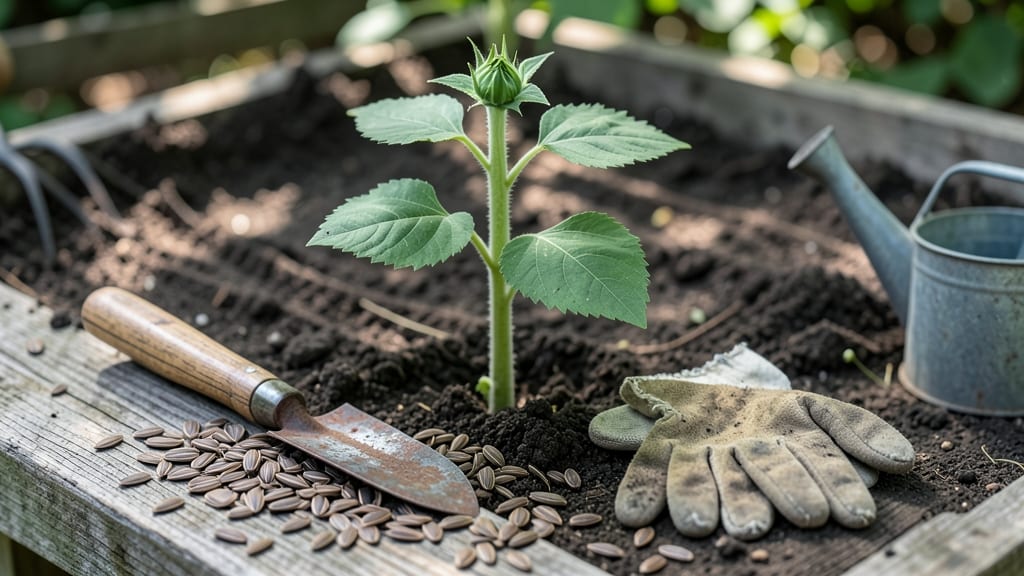
To plant sunflower seeds in NC at the perfect time, aim for mid-April to early July for summer blooms or late July to early September for fall varieties 🌻 — but soil temperature is the real game-changer.
Picture this: you’ve waited all winter for those towering 10-foot stalks, only to watch your seeds rot in cold soil or bolt in the heat.
Timing isn’t just about the calendar—it’s about catching that sweet spot when the ground warms to 60°F+, which can shift by weeks between the mountains and the coast.
North Carolina’s 6a-8b zones mean your neighbors might be planting in May while you’re still waiting for frost to pass. I’ll break down the exact months by region, how to test soil temp without fancy tools, and which sunflower varieties play nice with NC’s short growing season.
By the end, you’ll know not just when to plant, but how to give your sunflowers a fast start—so you’re harvesting seeds by October instead of staring at sad, stunted stems.
Best planting months for sunflowers in NC based on hardiness zones
North Carolina’s diverse climate—from the Coastal Plains to the Mountains—means sunflower planting times vary dramatically. In Zone 5b (western NC), you’ll plant 2-3 weeks later than in Zone 8a (coastal areas). The key? Soil temperature must hit 60°F+ for germination, not just the calendar date.
Most NC gardeners aim for mid-April to early July for summer blooms, but late July to early September works for fall varieties. However, these ranges shift 10-14 days depending on elevation and microclimates.
For example, Asheville (Zone 7a) can plant in late April, while Wilmington (Zone 8a) starts as early as mid-March.
| NC Region | USDA Zone | Last Frost Date | Ideal Planting Window | Soil Temp for Germination |
|---|---|---|---|---|
| Mountains (Boone, Asheville) | 5b-6a | April 15-May 1 | May 10-June 15 | 60-65°F |
| Piedmont (Raleigh, Greensboro) | 7a-7b | March 20-April 5 | April 15-May 30 | 62-68°F |
| Coastal Plains (Wilmington, Fayetteville) | 8a-8b | February 15-March 15 | March 10-June 1 | 65-70°F |
Use these last frost dates as your baseline, but verify with your local Cooperative Extension office or Almanac. Microclimates—like urban heat islands or shaded valleys—can shift planting by 1-2 weeks.
For example, a south-facing slope in the Mountains may warm enough for planting by April 1, while a north-facing garden might wait until May 1.
For direct sowing (the best method for sunflowers), wait until soil temperatures consistently stay above 60°F for 5+ days. Test with a soil thermometer or bury a thermometer in a cup of water in the soil for 24 hours.
If it’s cooler, use black plastic mulch or straw to warm the soil faster.
In Zone 8a (coastal NC), you can even plant fall sunflowers in late July for October blooms. These varieties—like ‘Autumn Beauty’—thrive in cooler fall temperatures and avoid pest pressure from summer bugs.
Just ensure they mature before the first frost, which hits October 15-November 1 depending on location.
If you’re in Zone 5b-6a, prioritize early-maturing varieties (50-60 days to harvest) to avoid fall frosts. Plant ‘Moulin Rouge’ (55 days) or ‘Teddy Bear’ (60 days) by June 1 for late-summer blooms.
In Zone 7b+, you can stretch to ‘Russian Giant’ (120 days) if you plant by May 15.
Pro tip: Start seeds indoors in biodegradable pots 2-3 weeks before your last frost date if your soil is slow to warm. Transplant seedlings when they’re 3-4 inches tall and soil temps hit 55°F+. This buys you 2 extra weeks of growing time in cooler zones.
Watch for false springs—those warm February days that fool you into planting early. A late frost in April can wipe out tender seedlings. Use frost cloth if you must plant early, but direct sowing after the last frost is always safer for sunflowers.
Finally, track your local microclimate for 2-3 years to refine your timing. A garage or shed can create a warmer microclimate perfect for early planting, while a low-lying area may stay cold longer. Adjust your schedule based on what works in your specific garden, not just the zone map.
Soil temperature secrets for faster sunflower germination in NC
Sunflower seeds need consistent warmth to germinate quickly, and North Carolina’s spring soil can be surprisingly chilly—even after the last frost. While your calendar might say "spring," your soil could still be below 50°F, causing seeds to rot or sprout erratically.
The key to faster germination lies in understanding soil temperature thresholds and how to create the ideal conditions for your sunflowers.
For sunflowers, the sweet spot is between 60-70°F—this range triggers rapid germination, often within 7-14 days. Below 55°F, seeds may take 3-4 weeks or fail entirely.
In NC’s Piedmont region, soil typically hits this range by mid-April to early May, while mountain areas may need to wait until late May or June. Coastal zones often warm up earlier, but don’t rush—cold soil delays growth even if air temperatures are mild.
🌱 Numbered Highlights: How to Test & Warm Your Soil
- 1. Test soil temp with a soil thermometer (insert 2-3 inches deep) or DIY method: Fill a jar with soil and water, then check with a meat thermometer after 10 minutes.
- 2. Aim for 60-70°F—use a black plastic mulch to warm soil by 5-10°F faster than bare earth.
- 3. Add compost (2-3 inches) to retain heat and improve drainage—sunflowers hate soggy soil.
- 4. Avoid over-watering before planting; damp soil stays cold longer. Water lightly after seeds sprout.
- 5. Plant deeper (1.5 inches) in cold soil—extra depth protects seeds from temperature fluctuations.
One of the most common mistakes is assuming air temperature equals soil temperature. A sunny 70°F day might hide 45°F soil just inches below the surface.
To check, use a soil thermometer (available for $10-$15) or a DIY hack: Fill a small jar with garden soil, add water to saturate it, and insert a meat thermometer for an accurate reading.
If your soil is below 55°F, delay planting or use black plastic mulch to warm it faster.
Organic amendments like compost or aged manure can help, but they work best when combined with warmth-retaining methods. Spread a 2-3 inch layer of compost over the planting area 1-2 weeks before sowing to boost microbial activity and gently raise soil temps.
For an extra boost, cover the bed with clear plastic for 3-5 days before planting—this creates a mini greenhouse effect, accelerating warmth without overheating.
If you’re eager to plant early, choose dwarf varieties like ‘Teddy Bear’ or ‘Moulin Rouge,’ which germinate slightly faster than giants like ‘Russian Mammoth.’ These types also tolerate cooler soils better, though they’ll still need consistent warmth to thrive.
Pro tip: Sow seeds in pots indoors under grow lights if your outdoor soil is still cold—transplant seedlings once soil hits 60°F.
Remember, patience pays off with sunflowers. Rushing into cold soil leads to poor germination, leggy seedlings, and weak stems that flop in summer storms. By mastering soil temperature, you’ll unlock faster sprouts, stronger plants, and those show-stopping blooms North Carolina gardens are famous for. 🌻