
Plants
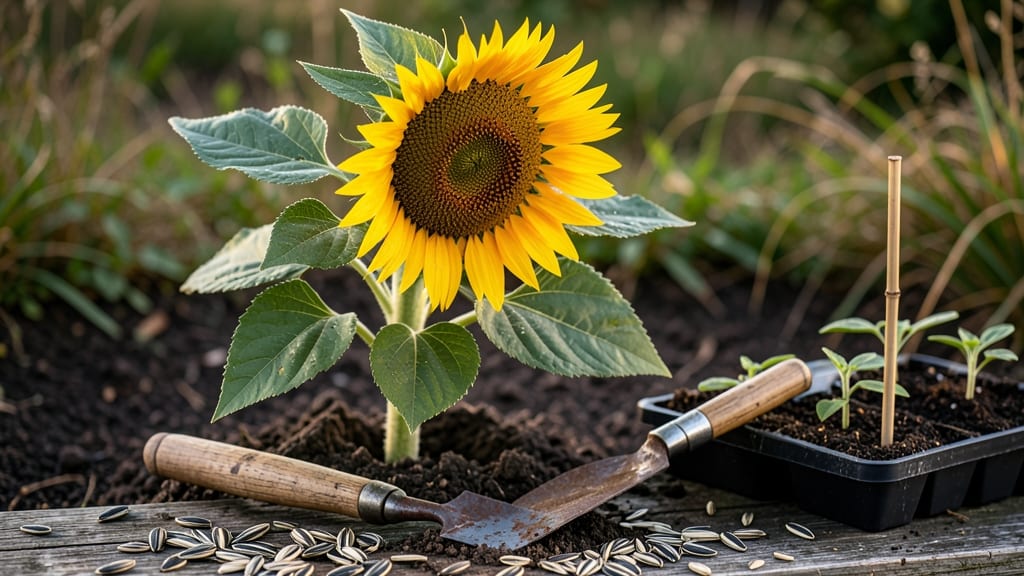
Planting sunflower seeds in Oklahoma after the last frost — typically mid-April to early June — unlocks their full potential for towering stems and vibrant blooms.
You’ve probably heard sunflowers are low-maintenance, but timing is the secret weapon. In Oklahoma’s USDA Zones 6b-7b, planting too early risks frost damage, while waiting too late cuts bloom time short.
The difference between a 4-foot plant and a 12-foot giant often comes down to a few weeks of perfect timing.
This guide breaks down the best planting windows by zone, adjusts for Oklahoma’s microclimates, and covers variety-specific tips to ensure your sunflowers reach their maximum height. Whether you’re growing dwarf varieties for containers or giant sunflowers for shade, we’ve got the details.
From soil prep to post-planting care, you’ll learn how to avoid common mistakes and maximize your harvest from late July through October. Let’s get those seeds in the ground at the right time!
Best planting months for sunflowers in Oklahoma by USDA Zone
Oklahoma’s diverse USDA zones (6b-8a) create unique planting windows for sunflowers, where timing directly impacts your harvest success. In Zone 6b, cooler springs demand earlier starts, while Zone 8a gardeners enjoy longer growing seasons.
The key? Plant after the last frost date—typically mid-April to early May—but before soil temperatures exceed 85°F, which stresses seedlings.
Sunflowers thrive with 60-120 days to maturity, so late-June plantings may still yield blooms in Zone 8a, but risk shorter stems and fewer seeds. For direct sowing (recommended), aim for soil temps above 55°F—use a soil thermometer to confirm.
Transplanting young starts is tricky due to taproot sensitivity, so most Oklahoma gardeners opt for direct seeding.
🌱
| USDA Zone | Last Frost Date | Optimal Planting Window | Soil Temp Requirement | Harvest Window |
|---|---|---|---|---|
| 6b (Northern OK) | Mid-April | Late April–May 15 | 55–75°F | Late July–September |
| 7a (Central OK) | Early April | Mid-April–May 30 | 55–80°F | Early July–October |
| 7b (Southern OK) | Late March | Early April–June 15 | 55–85°F | Late June–November |
| 8a (Southwest OK) | Mid-March | March 20–July 1 | 60–90°F | June–December |
In Zone 6b, where frosts linger until mid-April, prioritize early-maturing varieties like ‘Teddy Bear’ (60 days) to avoid fall frosts cutting harvests short. Zone 8a gardeners can experiment with late plantings—even July sowings may produce smaller but viable blooms before winter.
Always check seed packet days-to-maturity and count backward from your first frost date.
Oklahoma’s clay-heavy soils slow warming, so amend beds with compost or sand to hit ideal 55–60°F soil temps faster. For container growing, use black pots to absorb heat—critical in Zone 8a’s intense summers. Mulch with straw after germination to retain moisture and regulate soil temps.
Direct-sow seeds 1 inch deep, spacing them 6–12 inches apart (closer for dwarf varieties). Thin seedlings to 18–24 inches for standard sunflowers to prevent crowding and pest issues.
In Zone 7a/7b, where humidity spikes in summer, interplant with basil or marigolds to deter sunflower moths and aphids.
Watch for soil crusting after rains—gently scratch the surface with a hula hoe to help seedlings emerge.
If planting in June or July, opt for shorter-day varieties like ‘Moulin Rouge’ (75 days) to ensure blooms before fall frosts. Succession plant every 2–3 weeks in Zones 7b–8a for continuous cut-flower harvests.
🌻
For giant sunflowers (e.g., ‘Mammoth’), plant only in Zones 7b–8a and start seeds indoors 2–3 weeks early if transplanting. These varieties need 120+ days to reach full height—Zone 6b gardeners should skip them unless using a greenhouse.
Always stake tall varieties with bamboo stakes or tomato cages before stems reach
How to adjust planting time for Oklahoma’s microclimates and sunflower varieties
Oklahoma’s microclimates can shift planting windows by weeks, especially between cities like Oklahoma City (Zone 7b) and Tulsa (Zone 7a). Heat islands in urban areas trap warmth, while rural zones cool faster. Giant sunflowers (12+ feet) need longer growing seasons, while dwarf varieties adapt better to late starts.
Understanding these differences ensures your sunflowers reach their full potential without frost damage or stunted growth.
First, recognize that late springs are common in Oklahoma. A 3-step climate-check process helps you adjust timing: monitor soil temperatures (ideal: 55-65°F), track local last frost dates (March 15 in most areas, but later in northern zones), and observe neighboring plants like tomatoes or corn as indicators.
These steps prevent planting too early and risking frost or too late and missing the bloom window.
Here’s how to tailor your planting schedule for Oklahoma’s unique conditions:
Oklahoma City’s urban heat island can delay frost by 1-2 weeks compared to rural areas. Plant dwarf sunflowers (2-4 feet) in late May if nights stay warm, but opt for early April for giant varieties (12+ feet) in cooler rural zones like Ponca City.
Giant sunflowers (e.g., ‘Mammoth’) need 120 days to mature. Start seeds indoors in March for transplanting by April 15 in Zone 7a. Dwarf varieties (e.g., ‘Teddy Bear’) tolerate late starts—sow directly in May for summer blooms.
If frost lingers past April 15, plant heat-tolerant varieties like ‘Autumn Beauty’ in late May. Space seeds 6 inches apart and use row covers for early seedlings. Monitor soil moisture—Oklahoma’s clay soil dries quickly in heat.
For Oklahoma City gardeners, aim to plant giant sunflowers between April 1 and April 15 to ensure they mature before the first frost in November. In Tulsa’s warmer microclimate, you can extend the window to mid-April.
Use mulch to retain soil moisture and protect young plants from temperature swings. If you’re in Zone 6b (e.g., Lawton), prioritize early planting by March 20 to maximize growth.
Don’t overlook dwarf sunflowers for late-season color. These varieties thrive when planted in May or June, even in hotter zones. They’re perfect for container gardening or small spaces and often bloom by August, adding late-summer interest. Pair them with black-eyed Susans or coneflowers for a low-maintenance pollinator garden.
Pro tip: Use a planting calendar tailored to your Oklahoma county. Extendable varieties like ‘ProCut’ (80-day maturity) offer flexibility. For maximum height, fertilize with 10-10-10 at planting and again when plants reach 2 feet tall. Water deeply once a week to encourage strong stems—critical for 12-foot giants.
With these adjustments, your sunflowers will thrive year-round, from towering late-summer stalwarts to cheerful fall blooms. Happy planting! 🌻🌡️