
Companion Plants
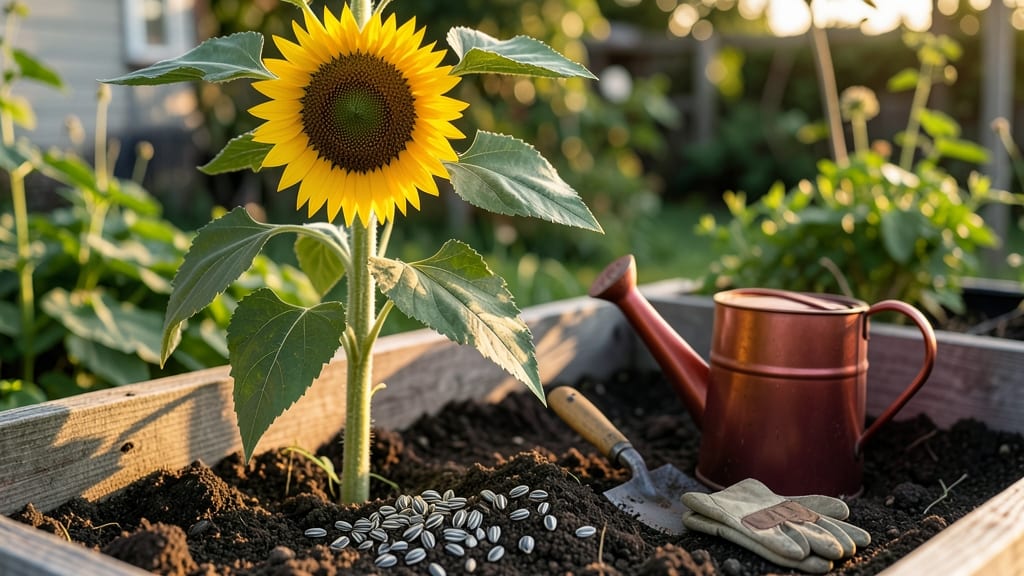
To plant sunflower seeds in Pennsylvania, aim for mid-April to mid-June when soil temperatures hit 55–65°F—the sweet spot for fast germination.
Sunflowers thrive in Pennsylvania’s climate—but planting them at the wrong time means slow germination or stunted growth. Timing isn’t just about the calendar; it’s about soil temperature, frost dates, and sunflower varieties. Get it right, and you’ll enjoy towering 🌻 blooms by summer’s end.
Most gardeners in zones 5b–7a wait until after the last frost (typically mid-April) to start seeds, but rushing can leave seedlings vulnerable. A soil thermometer is your best friend here—waiting for warmth ensures strong, healthy starts.
Below, I’ll break down the exact planting windows by region, soil prep tricks for fast growth, and how to pick the right sunflower variety for your PA garden’s growing season.
Pennsylvania sunflower planting calendar: best months by region
Pennsylvania’s diverse climate means your sunflower planting window depends heavily on where you live. The state spans USDA zones 5b to 7a, with last frost dates ranging from early April in the southeast to late May in the northwest.
Getting the timing right ensures your sunflowers reach maturity before the first frost—typically by mid-October. Let’s break it down by region so you can maximize your blooms.
For southeastern PA (e.g., Philadelphia, Pittsburgh), the optimal planting window starts as early as mid-April after the last frost. This region enjoys a longer growing season, allowing you to plant taller varieties like ‘Mammoth’ that need 90-120 days to mature.
In contrast, northwestern PA (e.g., Erie, Scranton) has a shorter season, so you’ll want to focus on early-blooming varieties planted no later than mid-May.
Central Pennsylvania (e.g., Harrisburg, State College) falls in between, with a planting window from late April to early June. Here, you can experiment with both early and late varieties to extend your blooming season.
The key is to plant when soil temperatures hit 55–65°F—cold soil slows germination and can lead to stunted growth or even seed rot.
🌻 Pennsylvania Sunflower Planting Guide by Region
| Region | Last Frost Date | Best Planting Window | Recommended Varieties | Days to Maturity |
|---|---|---|---|---|
| Southeast PA | Mid-April | Mid-April to early June | Mammoth, Autumn Beauty, Teddy Bear | 90–120 days |
| Central PA | Late April | Late April to early June | ProCut, Sunspot, Russian Giant | 75–100 days |
| Northwest PA | Late May | Mid-May to late May | Teddy Bear, Sunrich Orange, Lemon Queen | 60–80 days |
🌱 Note: Adjust planting dates 1–2 weeks earlier if using black plastic mulch to warm soil faster.
If you’re aiming for a longer blooming season, consider planting a mix of early and late varieties. For example, sow ‘Teddy Bear’ (60 days to maturity) in late April for early summer blooms, then follow up with ‘Mammoth’ (120 days) in early June for late-season color.
This staggered approach ensures you’ll have sunflowers in bloom from July through September, even in shorter growing seasons.
For container gardening, start seeds indoors in biodegradable pots 2–3 weeks before your region’s last frost date. Transplant seedlings outdoors once soil warms up, as containers heat up more quickly than garden beds.
This method is perfect for balconies or small spaces and extends your planting window by a few weeks.
Don’t forget to account for soil preparation. Sunflowers thrive in well-draining soil with a pH of 6.0–7.5. Work in compost or aged manure before planting to improve fertility.
In heavy clay soils common in central PA, consider raising beds or mixing in sand and organic matter to prevent waterlogging, which can stunt root growth.
In northwestern PA’s cooler microclimates, use row covers or cold frames to protect seedlings from late frosts. These tools can push your planting window back by 1–2 weeks without risking damage. Just remember to remove covers once flowers emerge to avoid overheating.
Finally, keep an eye on your local weather forecasts in early spring. A sudden cold snap can delay planting, so have a backup plan for late-May sowings if needed.
With the right timing and variety selection, you’ll enjoy vibrant sunflowers that attract pollinators and add height to your garden all season long.
Soil temperature secrets: how to test and time planting for fast germination
Pennsylvania’s spring weather can be as unpredictable as a toddler’s mood—one day sunny and warm, the next a surprise frost. For sunflower seeds, this unpredictability means the difference between fast germination and weeks of waiting.
The key? Soil temperature—not air temperature—determines when to plant. Most sunflower varieties need soil that’s warmed to 55–65°F for optimal sprouting.
If you’ve ever planted sunflower seeds too early and watched them rot in cold soil, you know the frustration. Or worse, planted too late and missed the summer bloom season. The solution?
A soil thermometer—a $10 tool that saves you time, seeds, and disappointment. I’ve used mine for years to adjust planting dates based on real-time soil conditions, not just the calendar.
Here’s how I test soil warmth and time sunflower planting for fast germination in Pennsylvania’s variable climate:
- 🌡️ Check soil temp daily starting in early April using a soil thermometer (insert 2–3 inches deep). Aim for 55°F+ for germination.
- ☀️ Use black plastic mulch 1–2 weeks before planting to warm soil 5–10°F faster than bare ground.
- 🌱 Start seeds indoors in biodegradable pots if soil temps stay below 50°F—transplant after last frost (typically mid-April).
- ⏰ Plant in late May if early spring was cold—sunflowers are heat-loving and tolerate late starts better than cool weather.
- 💧 Water seeds lightly after planting to settle soil but avoid overwatering, which cools the soil.
PA’s three climate zones complicate timing further. In Southeast PA, soil warms earlier (often by late March), while Northwest PA may not reach 55°F until mid-May.
I adjust by planting early varieties like ‘Teddy Bear’ in cooler zones and tall varieties like ‘Mammoth’ in warmer areas for extended blooms.
Pro tip: If your soil stays cold, try a seedling starter kit with heat mats. I’ve had 90% germination rates with this method in chilly Zone 6a springs. For direct sowing, wait until soil hits 60°F—the sweet spot for sunflower seeds to sprout within 7–14 days.
Remember, sunflowers are forgiving—they’ll grow even if planted late, but you’ll sacrifice bloom size and harvest timing. Use these tricks to sync planting with PA’s unpredictable spring and enjoy sunny blooms by July. 🌻