
Flowers
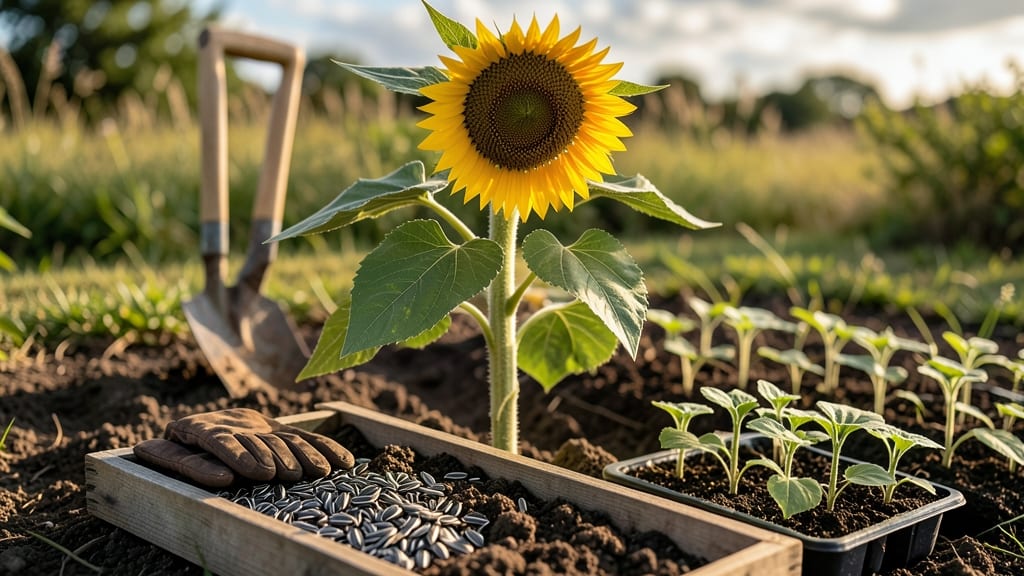
Planting sunflowers in Idaho after the last frost—typically mid-April to late June—sets the stage for towering 🌻 blooms that thrive in the state’s USDA Zones 5-7.
Idaho’s unpredictable climate can make sunflower planting a gamble—unless you know the exact soil temperature triggers that guarantee success. Timing is everything for these sun-loving giants, and getting it wrong means missed blooms or stunted growth.
Most gardeners in Boise or the Treasure Valley wait until soil reaches 50–55°F, but high-desert areas like Twin Falls may need an extra week. Direct sowing after April 15 (Boise’s average last frost) ensures strong roots before summer heat arrives.
In this guide, you’ll learn how to adjust planting dates for your microclimate, choose cold-hardy varieties, and avoid common mistakes that waste your 120–160 frost-free days.
Idaho’s ideal sunflower planting timeline by soil temperature zones
Sunflowers thrive when planted at the right time, but Idaho’s diverse climate—from the high desert of Boise to the cooler Coeur d’Alene region—means one-size-fits-all advice won’t work. The key to success lies in monitoring soil temperatures, which should consistently reach 50–55°F before planting.
This threshold ensures seeds germinate quickly and avoids the risk of frost damage to young seedlings.
Idaho’s USDA Hardiness Zones 5–7 create microclimates where frost-free dates vary by 2–3 weeks. In the Treasure Valley, like Boise, last frosts typically occur around April 15, while mountainous areas like Sandpoint may wait until May 1.
Planting too early in colder zones risks seed rot, while waiting too long in warmer areas can lead to bolting before full bloom.
Here’s how to align your planting with Idaho’s soil temperature zones and frost-free dates to maximize those iconic sunflower blooms:
| Region | Avg. Last Frost | Soil Temp. Threshold | Ideal Planting Window | Bloom Time |
|---|---|---|---|---|
| Boise/Treasure Valley | April 15 | 50–55°F (mid-April) | Late April–early May | Late July–early Sept |
| Coeur d’Alene/Pullman | May 1 | 50–55°F (late April) | Early May–mid-May | Early Aug–mid-Sept |
| Sandpoint/North Idaho | May 15 | 50–55°F (late May) | Late May–early June | Late Aug–early Oct |
| High Desert (e.g., Twin Falls) | April 1 | 50–55°F (early April) | Early April–late April | June–July |
| Mountainous Areas (e.g., McCall) | June 1 | 50–55°F (late May) | Late May–early June | Late Aug–Sept |
For gardeners in Boise or the Treasure Valley, aim to plant sunflower seeds in late April once soil temperatures stabilize above 50°F. Use a soil thermometer to confirm—this tool is a game-changer for avoiding cold soil risks.
In Coeur d’Alene, wait until early May to give seedlings a head start before summer heat arrives.
If you’re in a shorter-season zone, like Sandpoint, opt for dwarf varieties like ‘Teddy Bear’ or ‘Moulin Rouge,’ which mature in 60–70 days instead of the standard 80–120 days.
These varieties ensure blooms before the first fall frost, which typically hits around October 15 in most of Idaho.
Pro tip: Use black plastic mulch to warm soil faster in cooler regions. Lay it down 2–3 weeks before planting to create a microclimate that speeds up germination. This trick is especially useful in North Idaho, where soils can stay chilly well into May.
For high-desert areas, like Twin Falls, you can plant as early as early April—but be prepared for dry spells. Water deeply right after planting and maintain 1–2 inches of moisture until seeds sprout.
Once established, sunflowers are drought-tolerant, but young plants need consistent moisture to avoid wilting.
Remember: Sunflowers are annuals with a fast growth cycle. In Idaho’s 120–160-day growing season, timing is critical. Plant too late, and you’ll miss the peak bloom period; plant too early, and frost will stunt growth.
Use the table above as your guide, and adjust based on your local weather forecasts.
Finally, consider fall planting for shorter-season varieties in Boise or Twin Falls. Sow seeds in early July for a second harvest in September. Just ensure you choose varieties with a 50–60-day maturity to avoid winter frost.
How to adjust planting dates for Idaho’s unpredictable weather patterns
Idaho’s unpredictable spring frost dates and cooler mountain microclimates can throw off even the most experienced gardeners. But with the right adjustments, you can extend your sunflower season by weeks—even months. The key lies in soil warmth monitoring and strategic planting techniques that account for Idaho’s 120-160 frost-free days.
Start by selecting cold-hardy sunflower varieties like 'Autumn Beauty' or 'Moulin Rouge', which tolerate 45°F soil temperatures. These varieties give you a 10-14 day head start compared to standard types.
Pair them with row covers or black plastic mulch to warm the soil faster—especially in Zone 5 areas like Sandpoint or McCall.
For regions with late frosts (e.g., Boise’s April 15 average), use transplanting techniques. Start seeds indoors 4-6 weeks before your last frost date, then transplant seedlings when soil reaches 50°F. This method adds 3-4 weeks to your growing window, ensuring blooms by mid-July.
✅ Idaho Sunflower Planting Checklist
Don’t overlook fall planting opportunities in Idaho’s warmer valleys. After Labor Day, sow short-season varieties like 'Little Becka' (matures in 50 days) for September-October blooms. This works best in Zone 6–7 areas like Twin Falls or Nampa, where first frosts arrive mid-October.
For high-altitude gardens (e.g., Sun Valley, 6,000+ ft), extend the season with low tunnels or cold frames. These can add 2–3 weeks of warmth, letting you plant 2 weeks earlier than usual. Just remove covers once plants reach 12 inches tall to prevent overheating.
Finally, track your local frost dates for 3 years to identify patterns. Idaho’s Treasure Valley might average April 15 for last frost, but Coeur d’Alene’s can be 2 weeks later.
Adjust your planting dates accordingly, and you’ll maximize those towering sunflower blooms—no matter what Mother Nature throws your way. 🌻